Australian diving guide
How to Choose a Divemaster Internship
Compare mentoring, real course involvement, workload, total cost and employment claims before committing weeks or months to a professional programme.
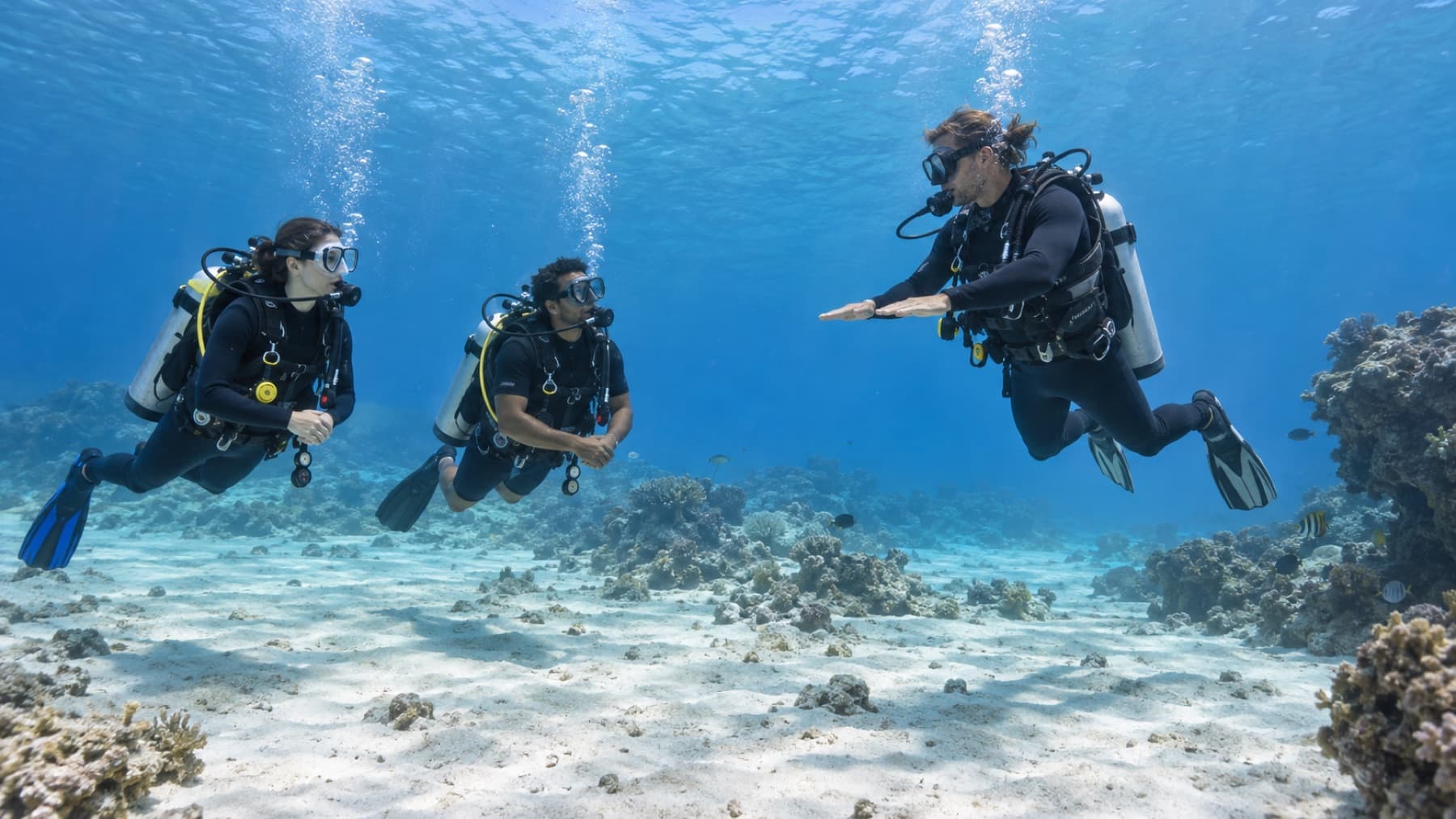
A Divemaster internship can be excellent professional development or inexpensive labour wrapped around minimum training. The difference is visible in the schedule, supervision and feedback.
Compare what you will do repeatedly, not the destination photograph or promised lifestyle.
The programme should separate learning, supervised practice, assessment and ordinary centre work.
- named primary mentor
- scheduled skill and knowledge sessions
- real briefings and guiding opportunities
- course-assistance targets
- written feedback and review points
Include materials, application fees, medicals, equipment, accommodation, transport, required dives and lost earnings. Clarify whether work offsets fees and under what legal arrangement.
A qualification does not guarantee paid work. Ask what graduates actually did, which visas or work rights apply and whether any role is a written offer rather than an aspiration.
Frequently asked questions
How long should a Divemaster internship take?
There is no useful universal duration. It should be long enough to include repeated real leadership and course involvement, not only satisfy minimum tasks.
Should I choose PADI or SSI?
Compare the exact programme and mentor first. Agency structure differs, but delivery quality creates the practical competence.
Can I work as a commercial diver afterwards?
No. Recreational Divemaster training does not replace occupational or commercial-diving qualifications.