Victoria dive centres
Cold-water shore diving, piers, more than sixty historic wrecks and wall diving that runs well past recreational depth.
Victoria offers one of Australia's most technically interesting diving environments. It combines cold-water shore diving, pier diving, historic wrecks, deep walls, kelp, reefs and a large, experienced local diving community.
Official Victorian tourism information identifies more than 60 nineteenth-century shipwrecks and four World War I submarines in Port Phillip Bay. Port Phillip Heads also contains walls starting at approximately 12 metres and extending beyond 90 metres.
That depth range helps explain Victoria's strong technical-diving culture. When world-class terrain begins at recreational depth and continues far below it, divers have an obvious reason to keep training, and the local market has developed to support them.
Victoria is also a useful corrective to the idea that Australian diving means warm water. The equipment, planning and skills here are closer to northern European diving than to the Great Barrier Reef, and divers who learn here tend to arrive in the tropics well prepared.
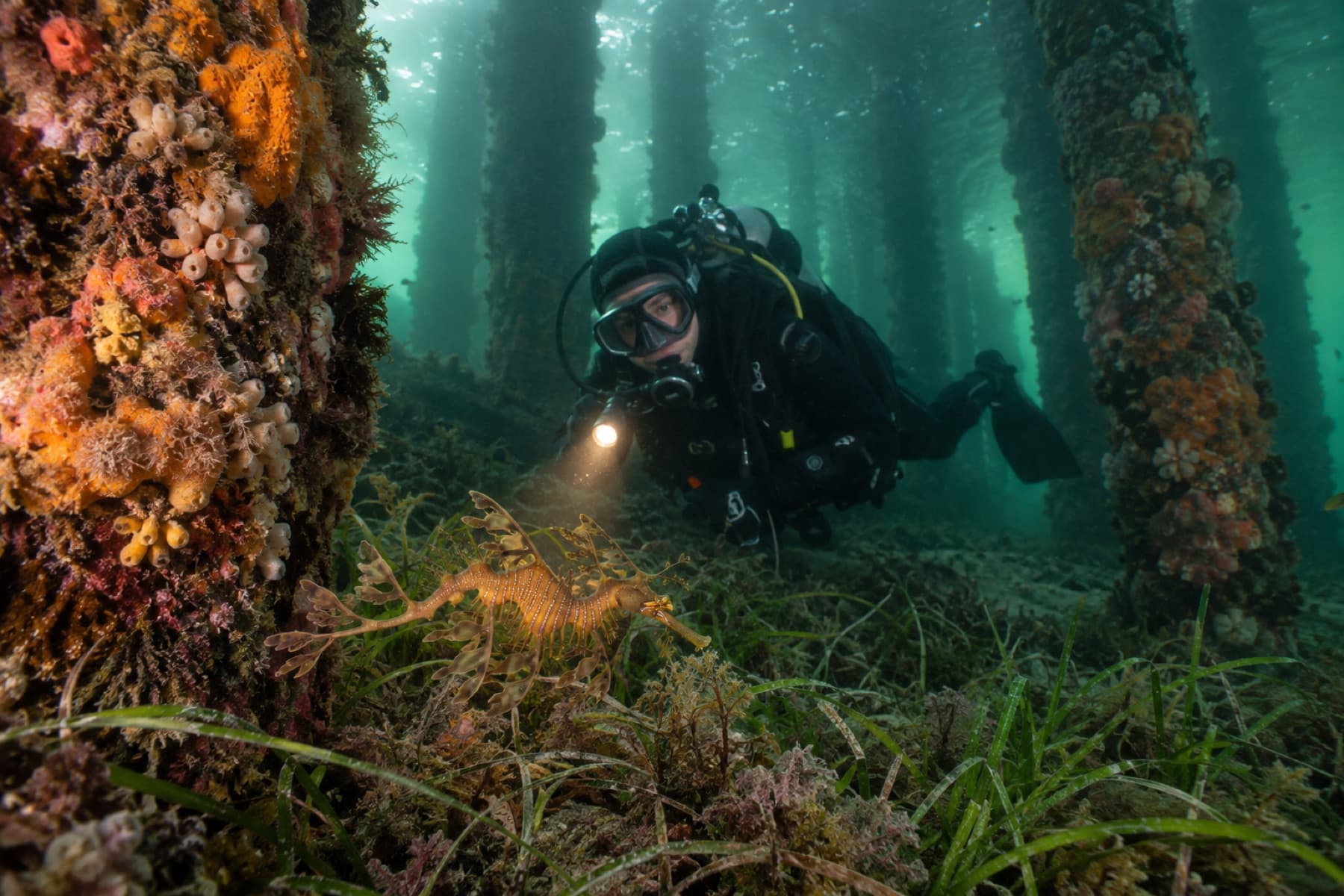
Victoria is organised by region because conditions, marine life and the kind of business that survives locally vary enormously within the state.
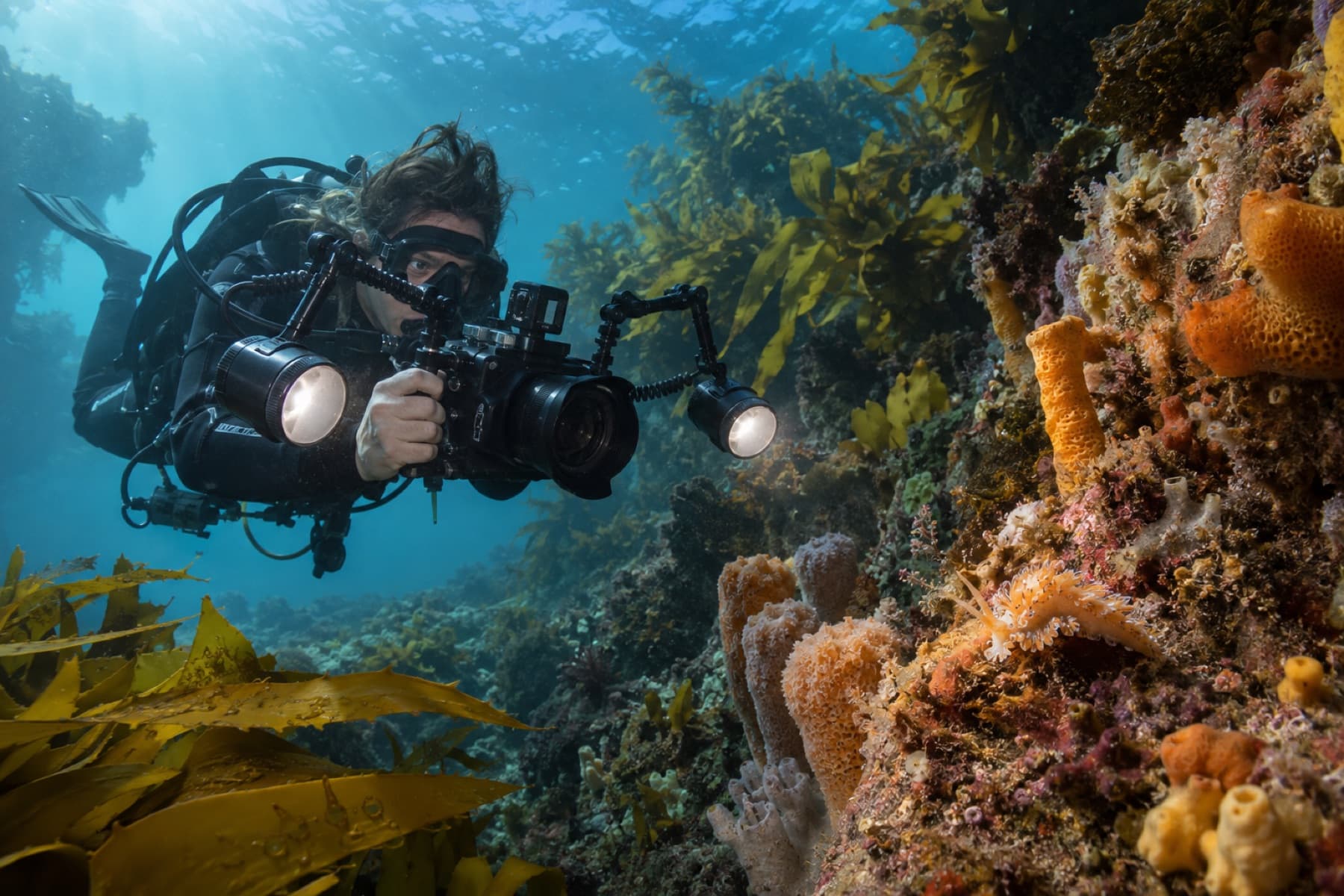 MelbourneA large, experienced cold-water diving market with unusually deep technical capability.
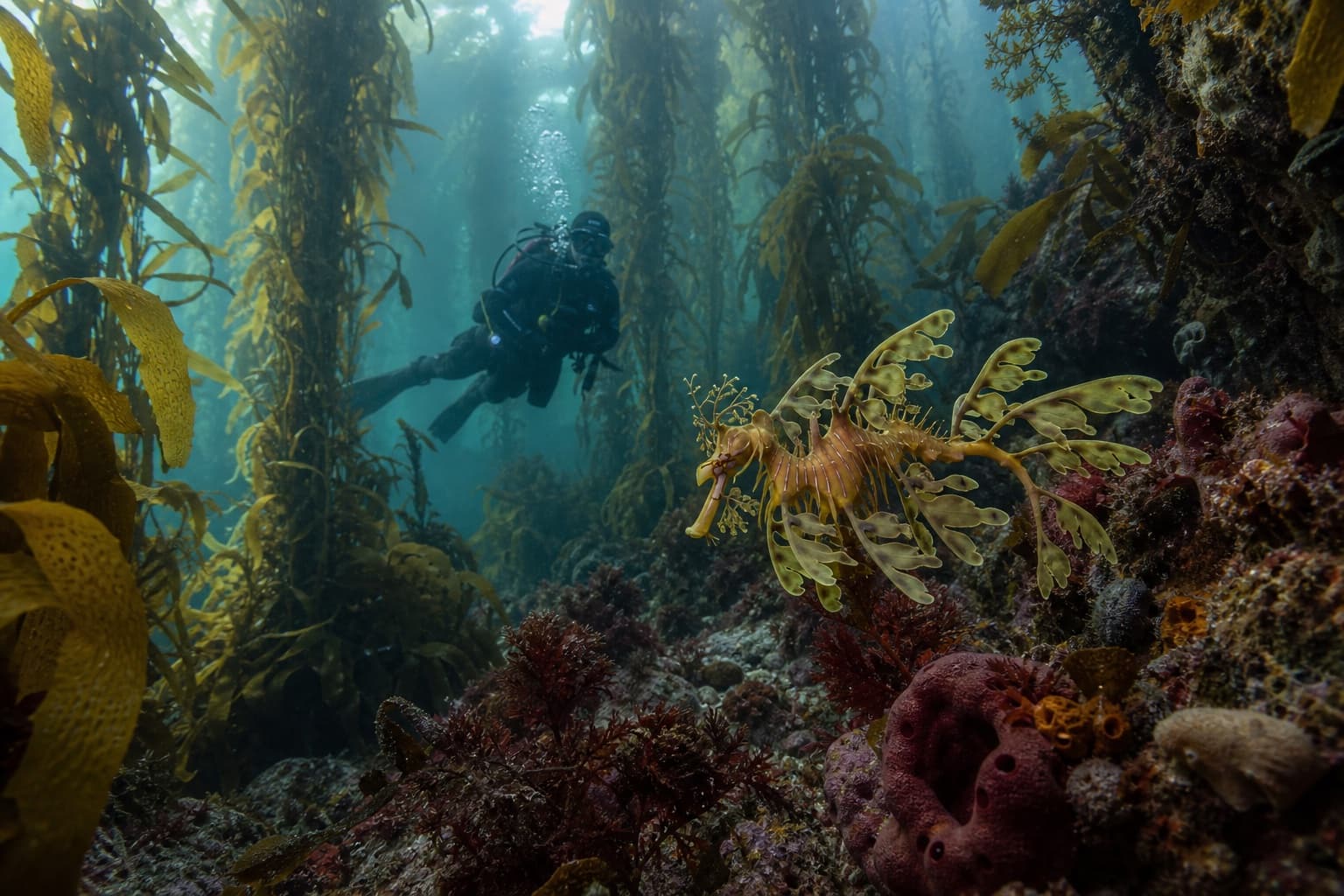 Mornington PeninsulaPier diving, weedy seadragons and easy shore access, with deeper wreck and wall diving offshore.Port Phillip HeadsWalls from 12 metres to beyond 90 — the terrain that built Victoria's technical diving culture.
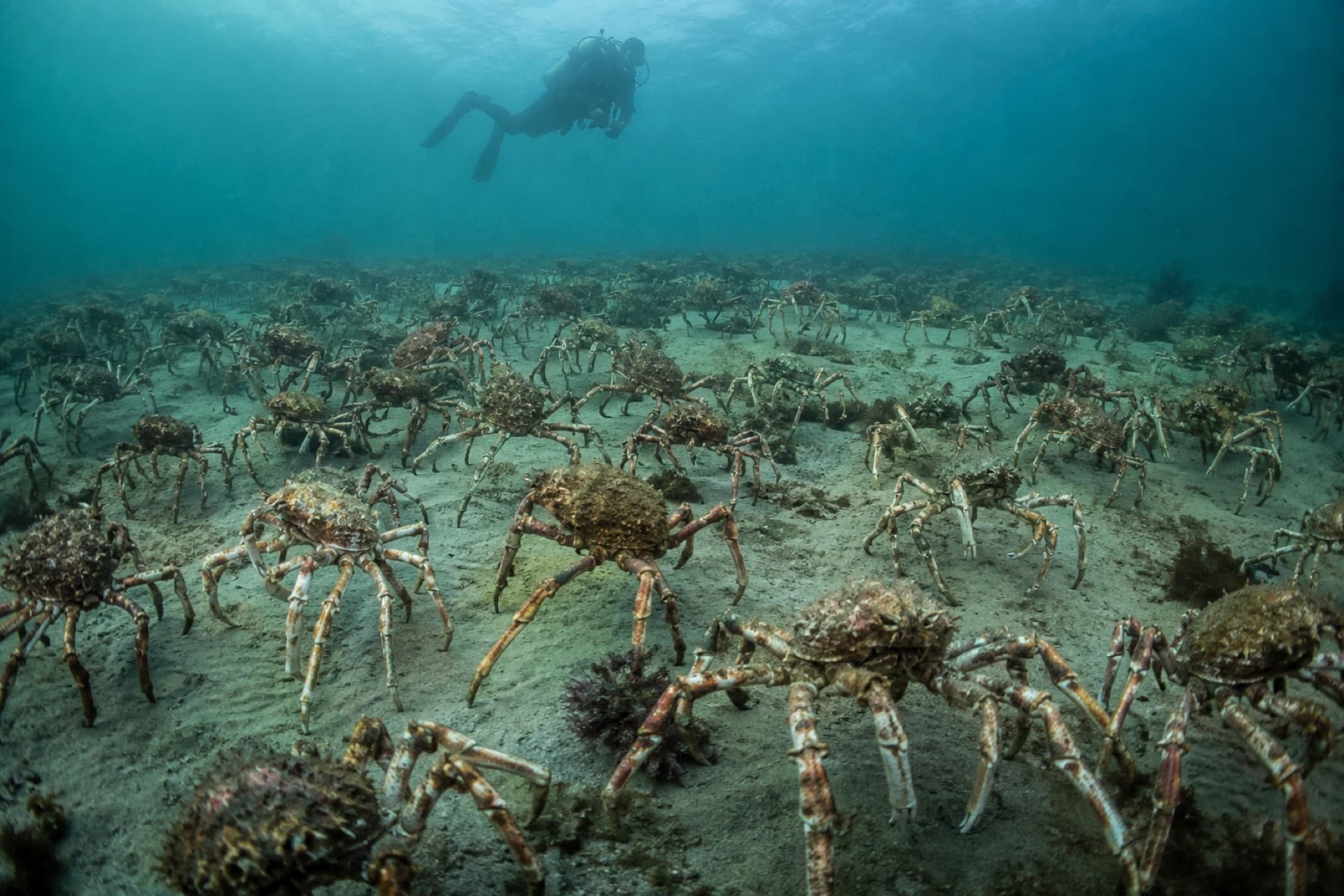 Geelong & Bellarine PeninsulaStrategic access to Port Phillip Heads from the western side, with an established technical market.
- More than 60 historic shipwrecks in Port Phillip Bay
- Four WWI submarines
- Port Phillip Heads wall diving from 12 m to beyond 90 m
- Pier diving with exceptional macro life
- HMAS Canberra artificial reef
- The Ships' Graveyard scuttling area
- Weedy seadragons and temperate species
- One of Australia's most developed technical communities
- Strong drysuit and cold-water training market
| Water temperature | Roughly 18–20°C in late summer and 11–14°C in winter. Cold enough that exposure protection is a planning decision, not an afterthought. |
|---|---|
| Visibility | Variable and site-dependent. Pier sites can range from 2 m to 15 m; offshore and Heads sites are often clearer, particularly on slack water. |
| Season | Year-round with a well-established winter diving community. Offshore and Heads diving is strongly tide- and weather-dependent in every season. |
| Regions documented | 4 |
| Businesses documented | 16 |
| Dive sites documented | 8 |
Port Phillip Bay exchanges an enormous volume of water through a narrow entrance. The result is that some sites are only sensibly diveable in a short slack-water window, and that window moves daily.
This is not a detail. At the Heads, getting the timing wrong is the difference between a controlled dive and a dive you do not control. Local operators plan around it, and divers new to the region should treat local knowledge as part of the safety equipment.
Pier diving provides shore access to marine life that would otherwise need a boat: seahorses, seadragons, rays, squid, octopus, crustaceans and dense macro life.
Easy access is not the same as an easy dive. Pier sites still require attention to fishing lines and hooks, boat traffic, low light beneath the structure, visibility, tide and a manageable entry and exit.
- fishing lines and hooks, including discarded line
- boat and vessel traffic overhead
- low light under the structure
- variable visibility and silt
- tide state affecting depth and current
- entry and exit points that change with sea state
Many of Victoria's wrecks are protected historic sites rather than deliberately scuttled dive attractions. That affects what is permitted, what can be touched and how a site should be treated.
Swimming around a wreck and penetrating enclosed spaces are also different activities requiring different training. A general wreck dive should not be confused with technical wreck penetration.
Equipment notes for Victoria
- A 7 mm wetsuit, semi-dry or drysuit is standard; hood and gloves are normal year-round.
- Exposure protection changes weighting and buoyancy significantly — a tropical weighting habit will not transfer.
- Steel cylinders are common locally and interact with drysuit buoyancy planning.
- Drysuit training becomes genuinely relevant for anyone diving through winter or moving into longer technical profiles.
Every documented site in the state, with conditions, marine life and the operators known to service them.
Blairgowrie PierVictoria's most popular pier dive, and the best-known site for giant spider crab aggregations.Flinders PierA Western Port pier with one of Victoria's most reliable weedy seadragon populations.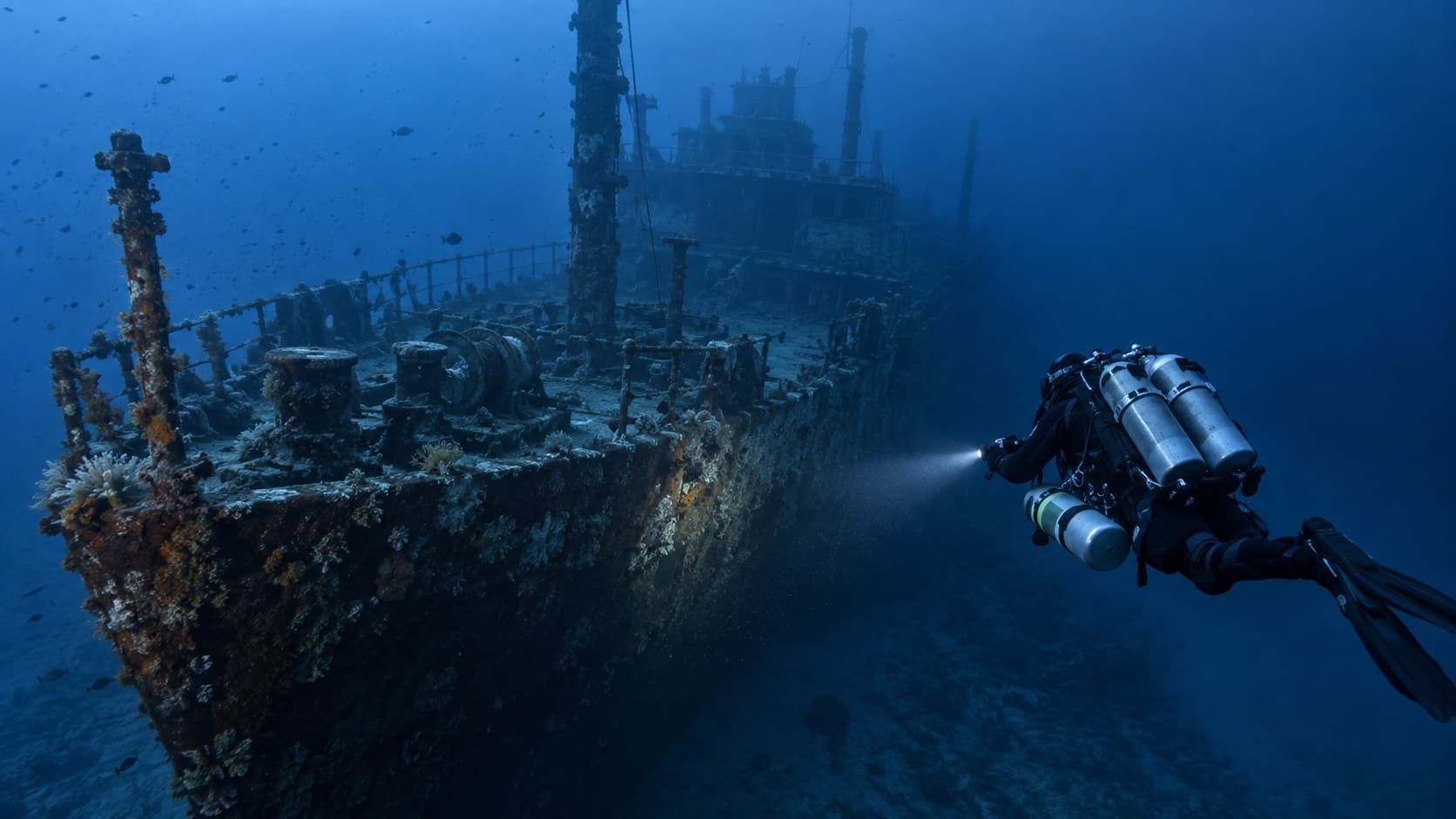 HMAS CanberraVictoria's signature artificial wreck — a former guided missile frigate at around 28 metres.Lonsdale WallVictoria's signature wall — sponge-covered, vertical, and continuing well past recreational depth.Port Phillip Heads WallsWalls starting at 12 metres and continuing beyond 90 — the terrain behind Victoria's technical culture.Port Phillip PiersThe bay's network of pier dives — the accessible heart of Victorian diving.Rye PierA shallow, sheltered pier known for seahorses, seadragons and night diving.
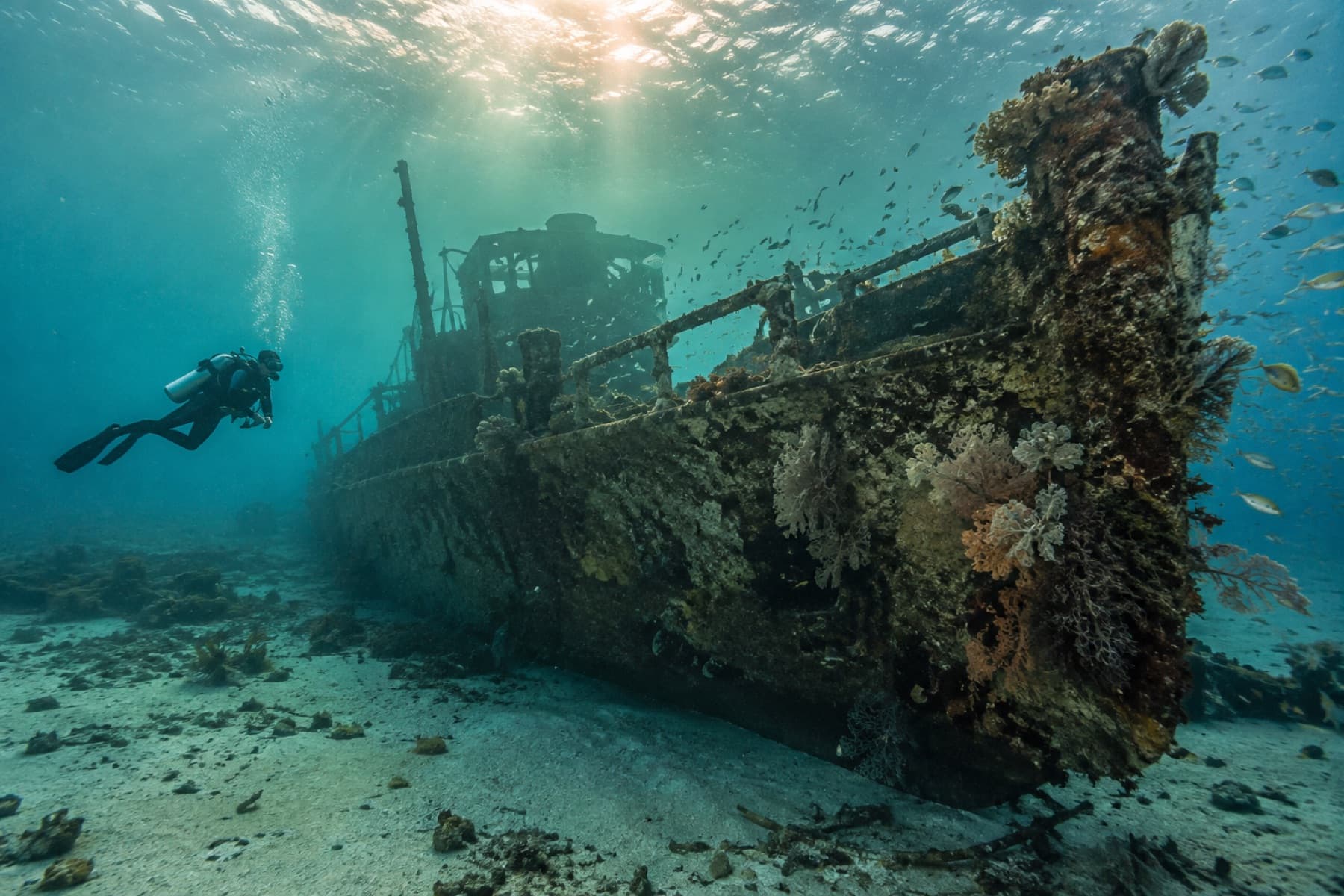 Ships' GraveyardNumerous vessels deliberately scuttled outside Port Phillip Bay across a wide depth range.
16 businesses, grouped by region. Each profile records what is verified, what is advertised and what still needs checking with the operator.
Melbourne
- Academy of ScubaA Melbourne training business offering recreational courses with technical pathways.
- Aquatic AdventuresA Melbourne operation providing recreational training and local diving support.
- ADRENO MelbourneAn equipment retailer with a spearfishing and freediving emphasis. Primarily retail rather than a training centre.
- Scuba CultureA Melbourne business providing training and equipment support for local divers.
- The Scuba DoctorA Victorian equipment and service business with an extensive retail presence, located to serve both Melbourne and Mornington Peninsula divers.
- Diveline Scuba CentreA Victorian business associated with technical training and gas support alongside recreational courses.
- AquabilityA Victorian operation associated with technical diving training. Exact agency, course levels and gas support require verification.
- Bay City ScubaA Victorian business associated with recreational and technical training alongside equipment and gas services.
- Ocean DiversA Victorian operation associated with recreational and technical training and access to Port Phillip diving.
- Snorkel & Dive Safari AltonaA Melbourne retail and training business, listed among Victorian operations associated with technical services.
- All About ScubaA Victorian training operation listed among those associated with technical diving. Capability requires verification.
- Extreme WatersportA Victorian business listed among operations associated with technical diving services.
- Dive Gear AustraliaA Victorian equipment business listed among operations relevant to technical diving equipment supply.
Geelong & Bellarine Peninsula
- Australian Diving InstructionA Geelong-region operation associated with technical training and access toward Port Phillip Heads.
- Geelong Dive CentreA Geelong business providing training, equipment and local diving support.
- SCUBABO QueenscliffA Queenscliff operation, strategically located for access toward Port Phillip Heads.
Frequently asked questions
Is Victoria only for advanced divers?
No. Numerous sheltered shore and pier sites suit beginners well, and Victoria trains a large number of entry-level divers each year. The deeper walls and wrecks simply mean there is a long progression available afterwards.
Do I need a drysuit?
No, but many regular divers use one. Thick wetsuits and semi-dry suits are common and perfectly workable. Drysuits become more attractive for winter diving, repeated dives in a day and longer technical profiles.
Is technical diving common in Victoria?
Yes. Victoria has one of Australia's most developed technical communities, driven largely by the depth available at Port Phillip Heads and in the Ships' Graveyard.
Can beginners dive HMAS Canberra?
Qualification alone is not enough. Official information requires an industry-recognised entry-level qualification together with experience appropriate to the dive, and at roughly 28 metres in cold water that experience requirement is meaningful.
Why are tides so important here?
Port Phillip Bay exchanges a large volume of water through a narrow entrance, so some sites experience significant water movement. Timing a dive to slack water can be fundamental to whether the site is diveable at all.
How cold does it actually get?
Winter water temperatures around 11–14°C are normal. That is cold enough to shorten dives, increase gas consumption and add task loading, which is why local training emphasises exposure protection and weighting.