Technical diving in Australia
Technical diving is not simply recreational scuba at greater depth. Technical diving receives its own section here because recreational and technical facilities should not be treated as interchangeable.
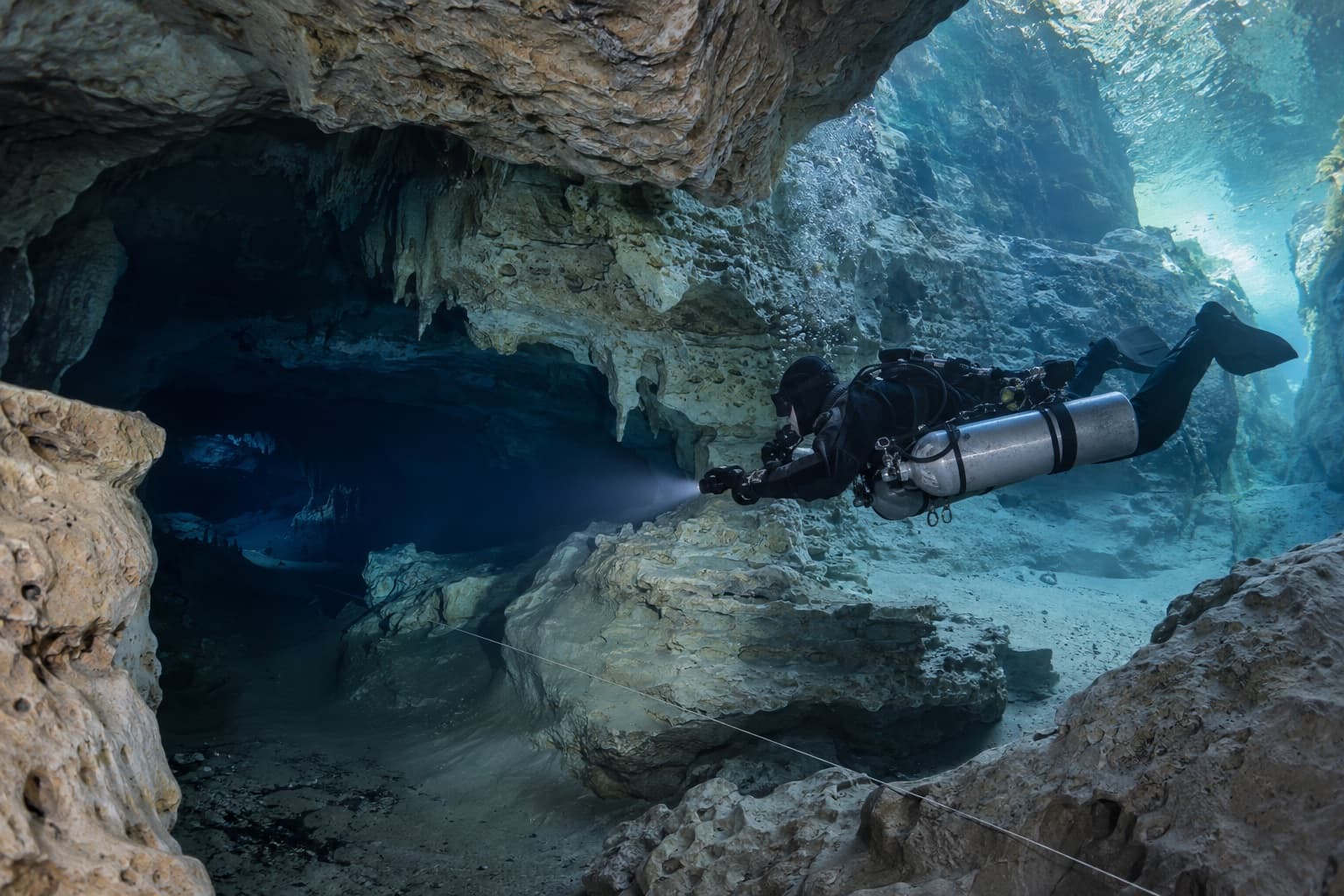
A dive can become technical because it involves mandatory decompression, overhead environments, gas switching, helium, increased redundancy, rebreathers or significant penetration.
Depth alone is not the defining factor. A 25-metre cave can be more technically demanding than an open-water 35-metre reef dive, because the cave removes the option of a direct ascent and the reef does not.
Australia has exceptional technical terrain: Port Phillip Heads with walls beyond 90 metres, the Ships' Graveyard outside Port Phillip Bay, the SS Nord in Tasmania at around 42 metres, and the freshwater cave systems of South Australia's Lower South East, which are internationally significant.
What varies enormously is the support infrastructure. Technical capability clusters geographically — it follows the terrain that makes the training worth having — and a business advertising technical services may provide only one part of the range.
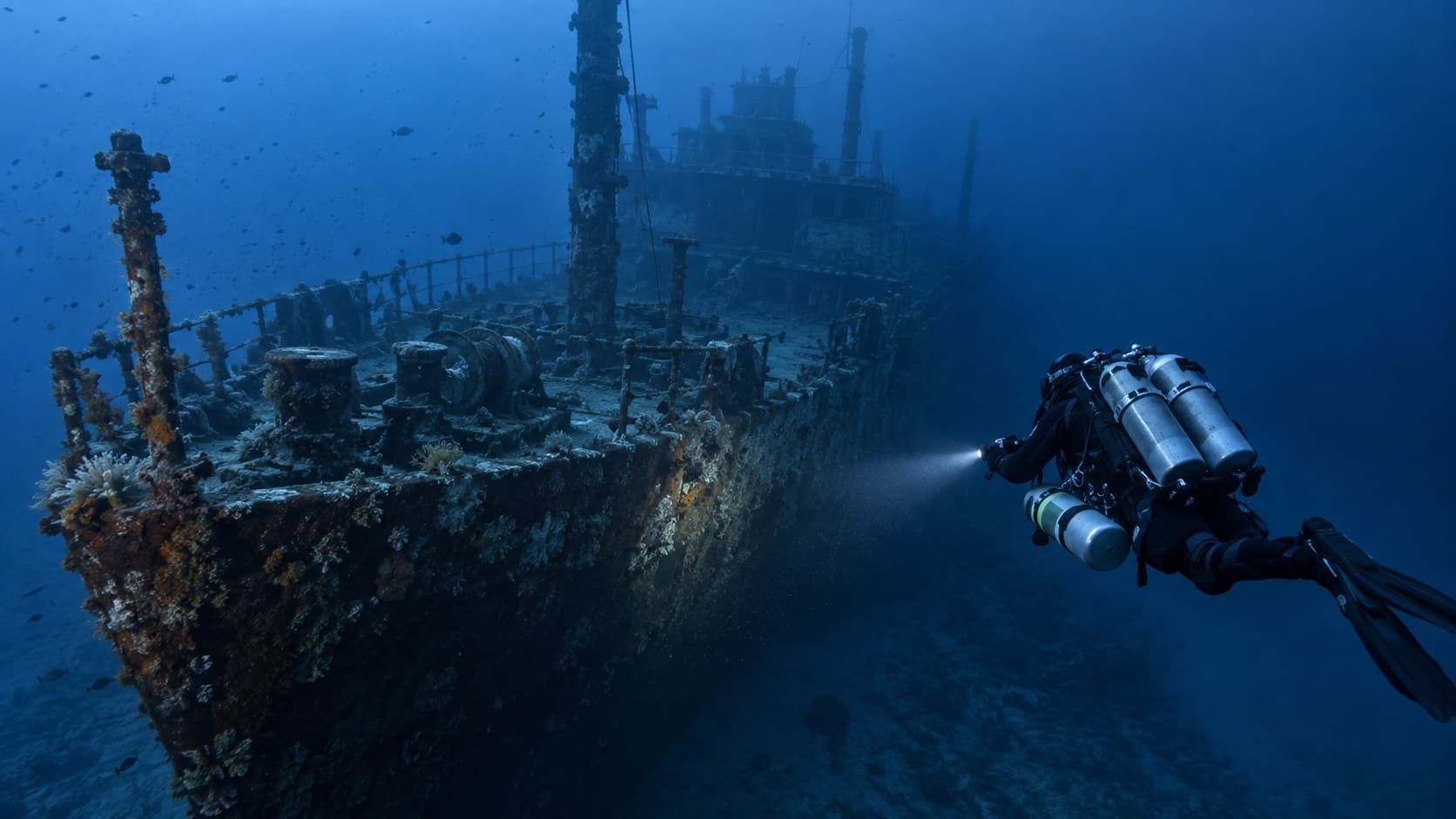
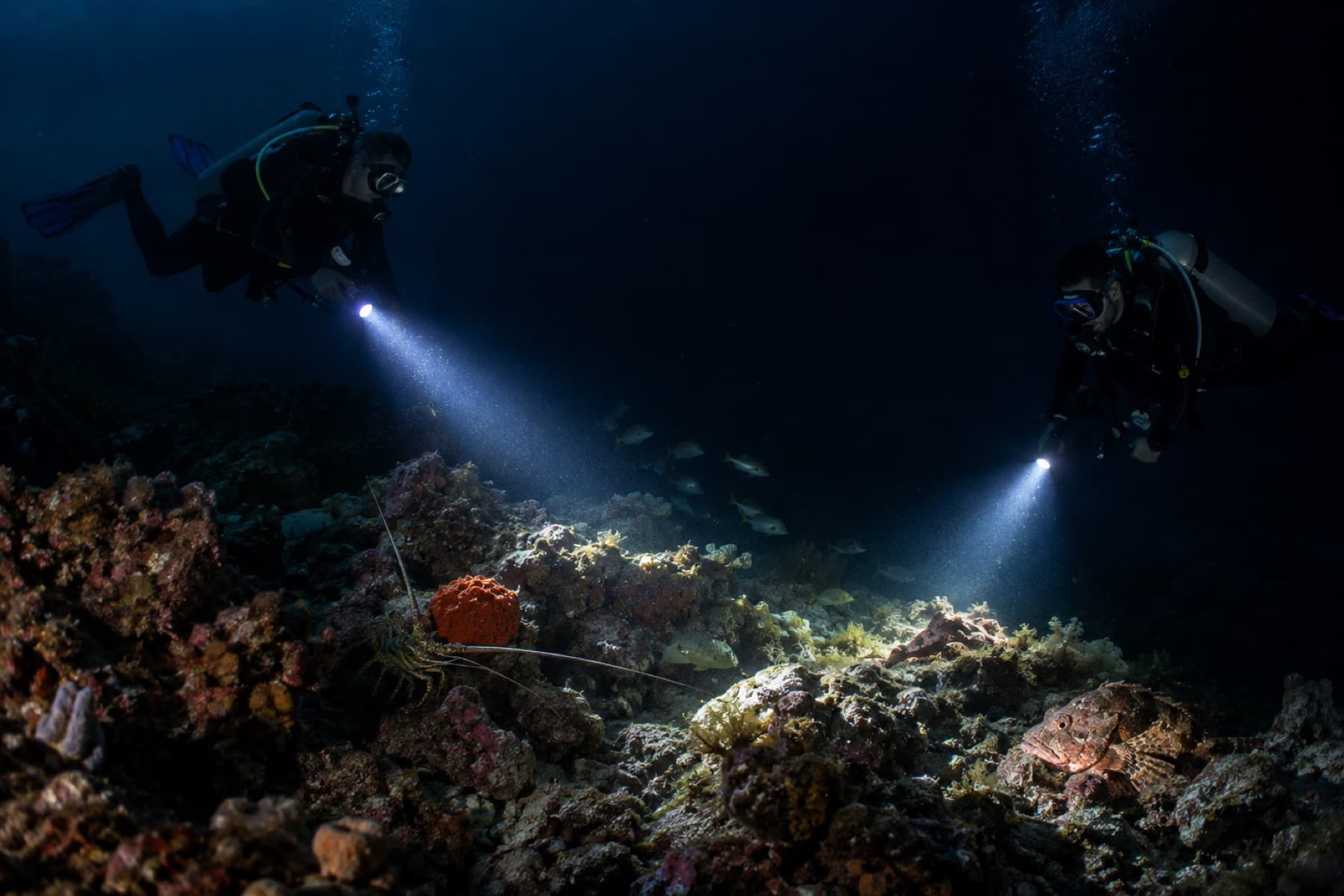 Technical Dive Centres in AustraliaWhy 'technical' is not one capability, and how to compare facilities service by service.
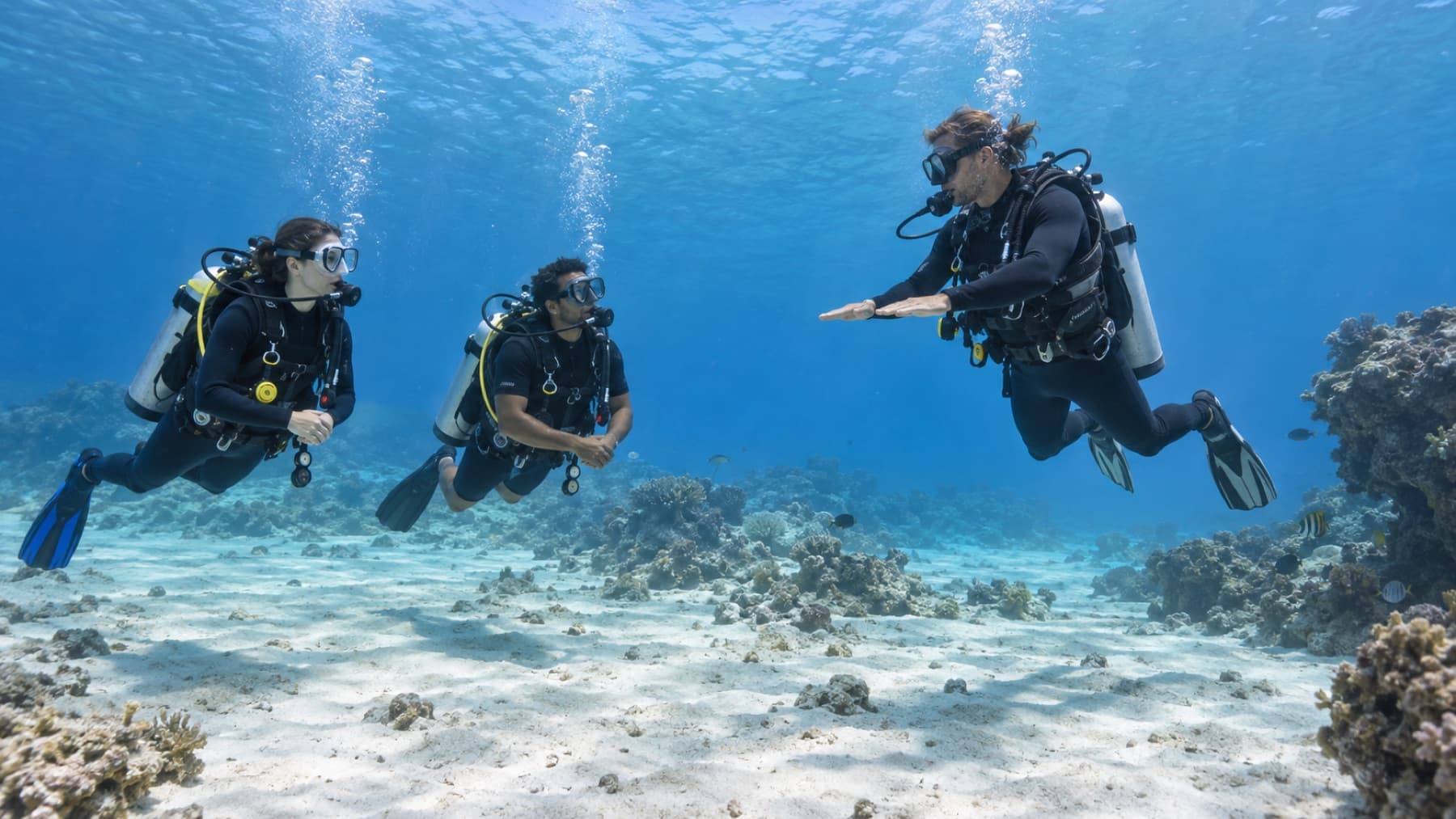 Advanced NitroxHigh-oxygen decompression gases and oxygen-clean equipment — a different capability from recreational Nitrox.
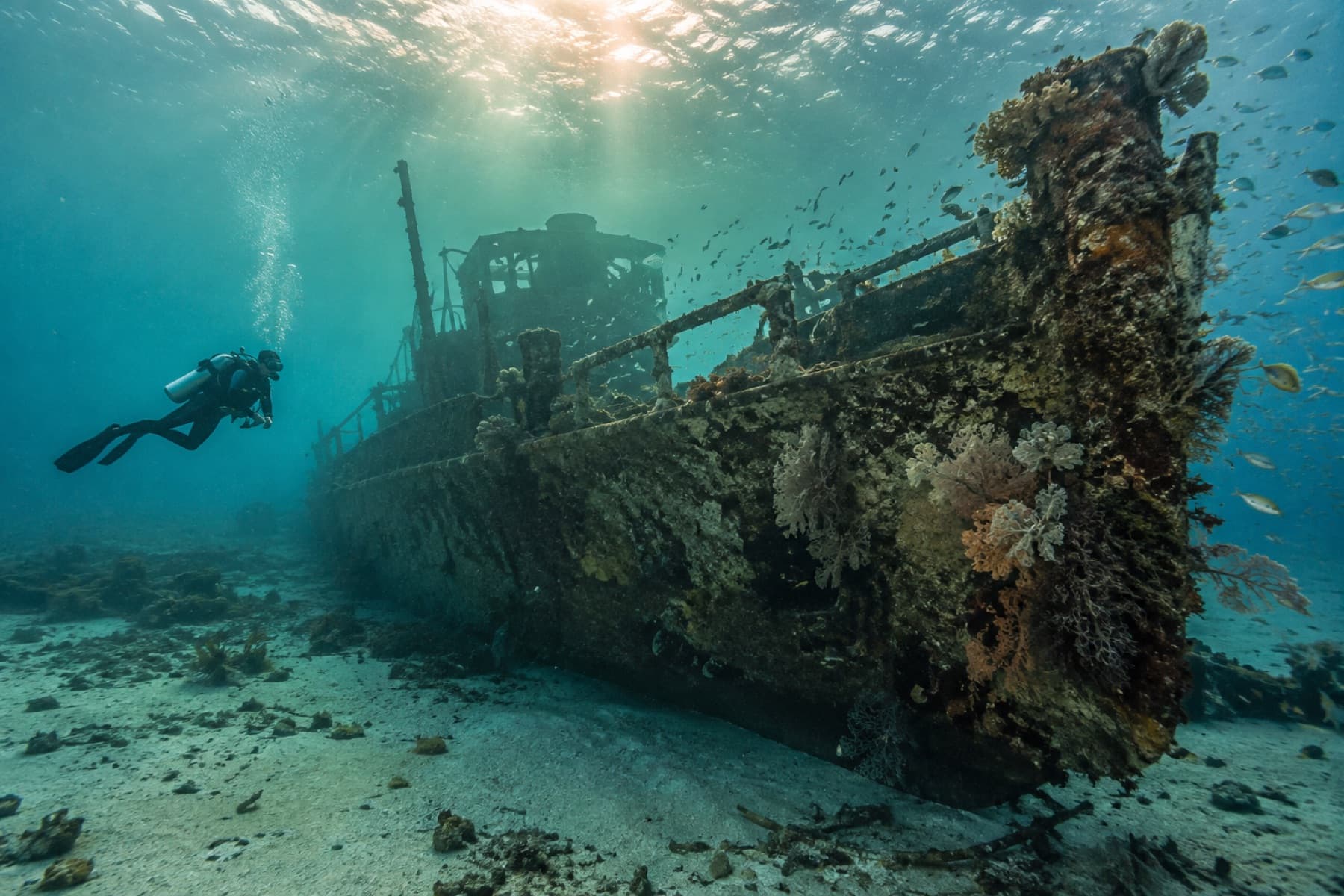 Decompression DivingWhen the option of a direct ascent is deliberately given up, and what that changes.TrimixHelium in the breathing mix — and the gas logistics that determine whether a trip is possible.
 Closed Circuit RebreathersRecycled breathing gas, silent diving — and support that is specific to your exact unit.Cave Diving in AustraliaThe CDAA system, Mount Gambier, and why recreational certification does not apply.Sidemount DivingCylinders at your sides — redundancy, streamlining and restriction access.Technical Gas in AustraliaAir, Nitrox, oxygen, helium and Trimix — what to verify and where it is actually available.
Course names vary by agency, but the shape of the progression is broadly consistent. Each step exists because the previous one has a limit that becomes relevant.
- experienced recreational diver
- Nitrox
- buoyancy and propulsion refinement
- twinset or sidemount configuration
- Intro to Tech
- Advanced Nitrox
- Decompression Procedures
- extended range
- Trimix
Technical equipment is designed around realistic failure management rather than around comfort. Once a diver cannot simply surface, every critical system needs a backup.
The correct configuration depends on the dive — a cave configuration and an open-water decompression configuration are not the same thing.
- two regulators, independently isolable
- multiple cylinders or a redundant gas supply
- independent buoyancy
- backup mask
- multiple lights
- backup timing and depth information
- cutting tools
Technical training requires a diver to perform tasks while maintaining control. Poor buoyancy becomes increasingly consequential when mandatory decompression or overhead environments are involved.
- horizontal trim
- stable depth control
- back kick and helicopter turn
- valve manipulation
- gas sharing
- SMB deployment from depth
- stage cylinder handling
Technical courses
What each qualification covers and where in Australia it becomes relevant.
Sites with a technical component
Australian sites where part of the diving is beyond recreational limits.
Centres documented as offering technical training
Technical capability is never one badge — verify agency, course level, gas and unit support individually.