Australian Scuba Diving Guides
Choose a trip by the experience you want: shore diving, liveaboards, wrecks, sharks, night dives, macro life or a forgiving first site. Every guide connects directly to relevant regions, sites, courses and operators.
Choose the destination, timing, format, budget and equipment before committing to the booking.
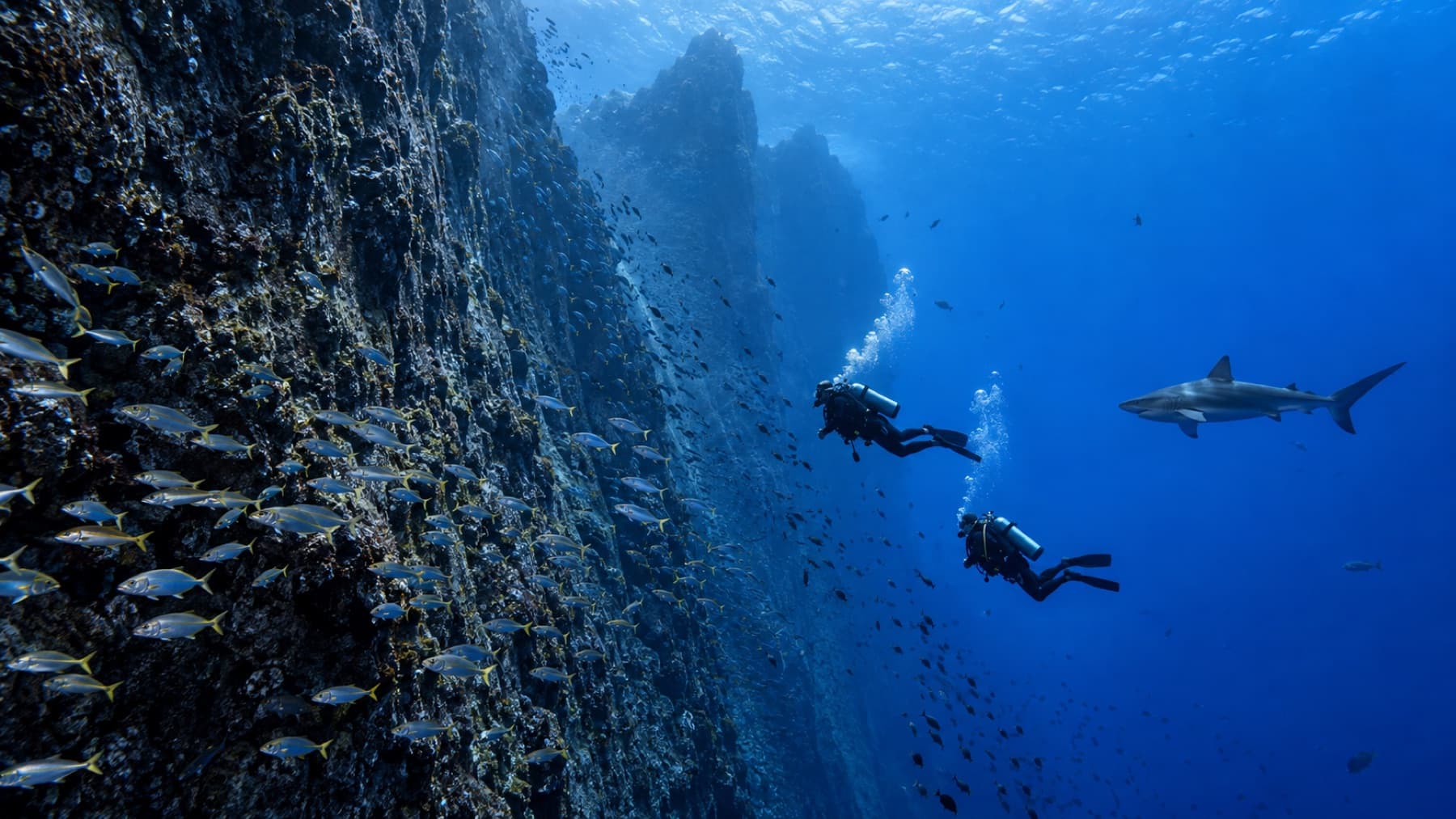 Best Diving in Australia: Where to Go and WhyAustralia's best diving is not one reef — it is a choice between tropical coral, big animals, temperate oddities, wrecks, caves and exceptional shore dives.
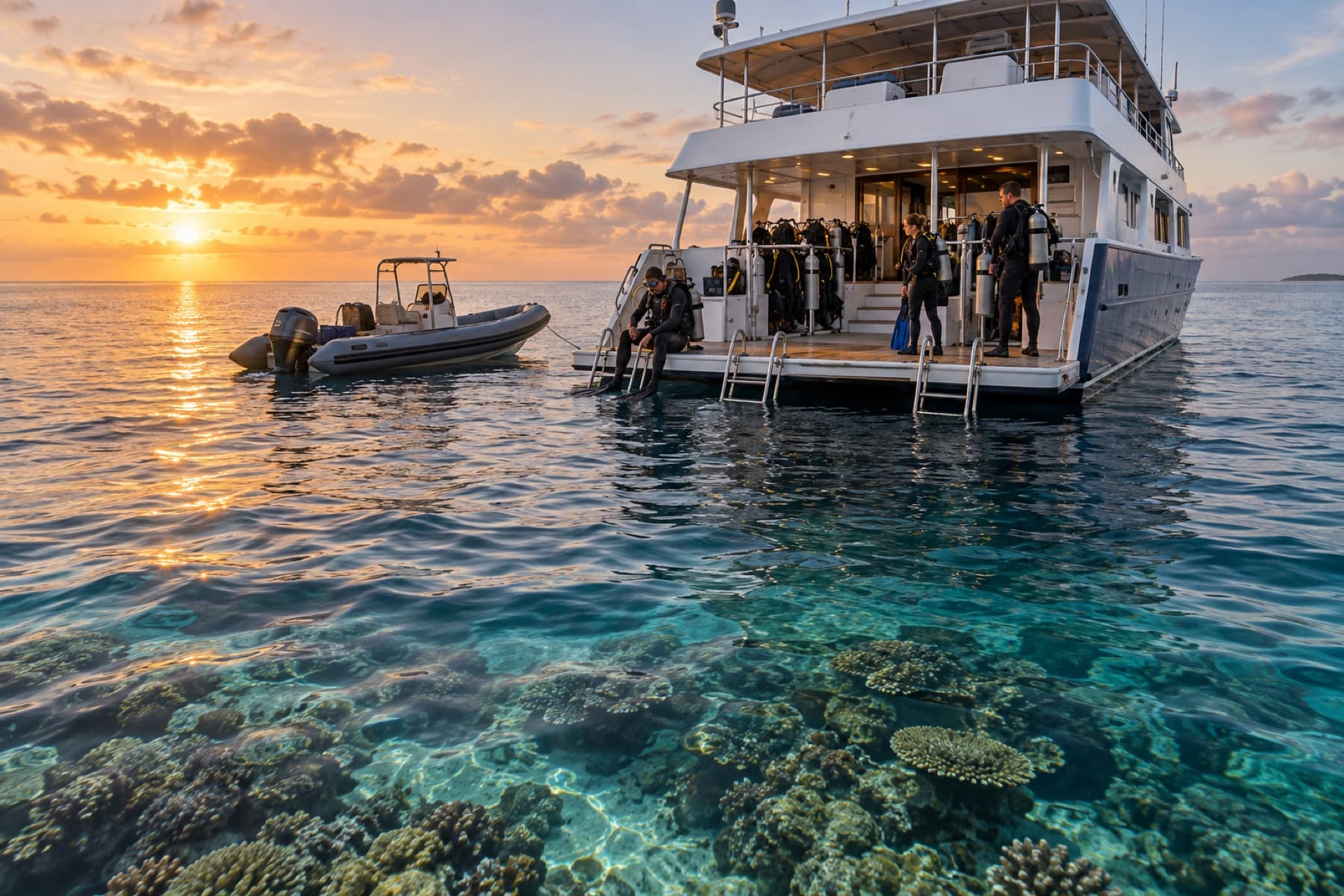 How to Plan Your First Australian Dive TripA practical sequence for choosing the region, season, operator, equipment and backup days for an Australian diving holiday.Australian Dive ItinerariesRealistic three-, five- and seven-day diving plans that keep travel time under control and leave room for weather.Liveaboard Diving in AustraliaHow Great Barrier Reef, Coral Sea and remote Australian liveaboards differ — and what to compare beyond the advertised number of dives.Australian Dive Trip Packing ListWhat to bring, what to rent and what to confirm for tropical, temperate, shore and liveaboard diving in Australia.
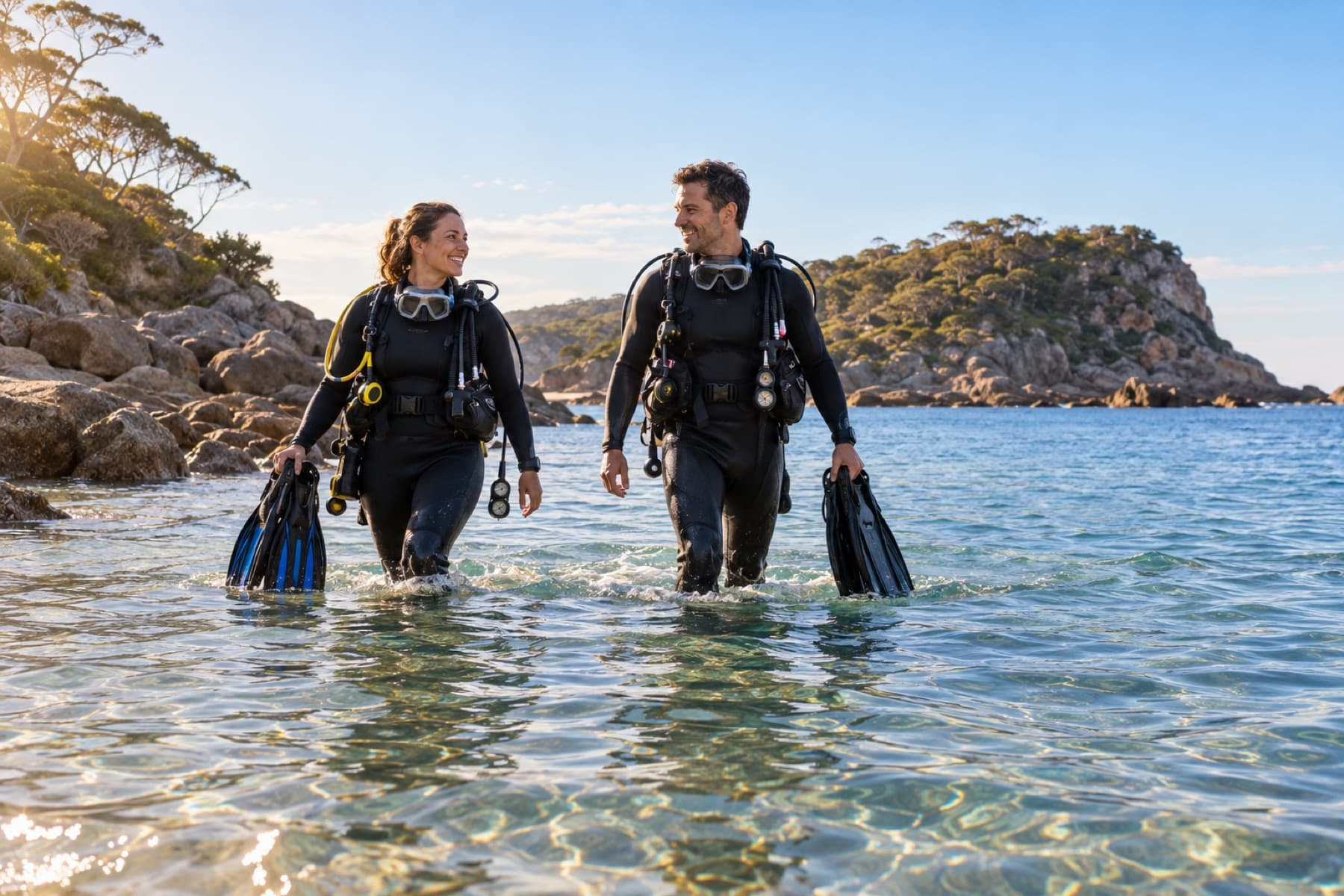 What Scuba Diving Costs in AustraliaHow to compare course, charter, rental and liveaboard prices without relying on a headline that excludes the parts you need.
Start with the underwater experience, then move into the sites, regions and operators that support it.
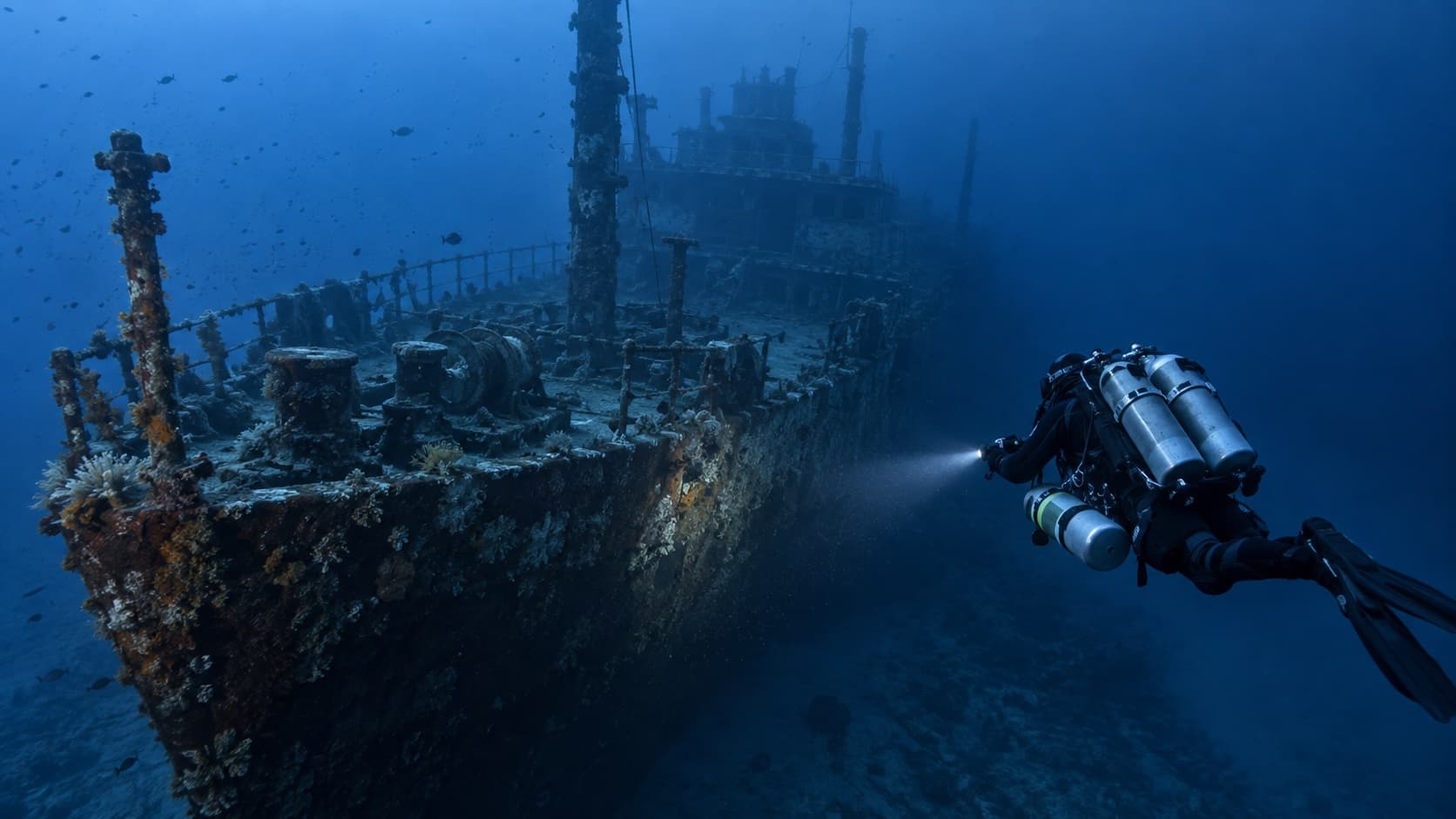 Wreck Diving in AustraliaFrom the SS Yongala and HMAS Brisbane to Port Phillip's ships' graveyard: how Australia's wreck regions differ and what training each kind of dive requires.
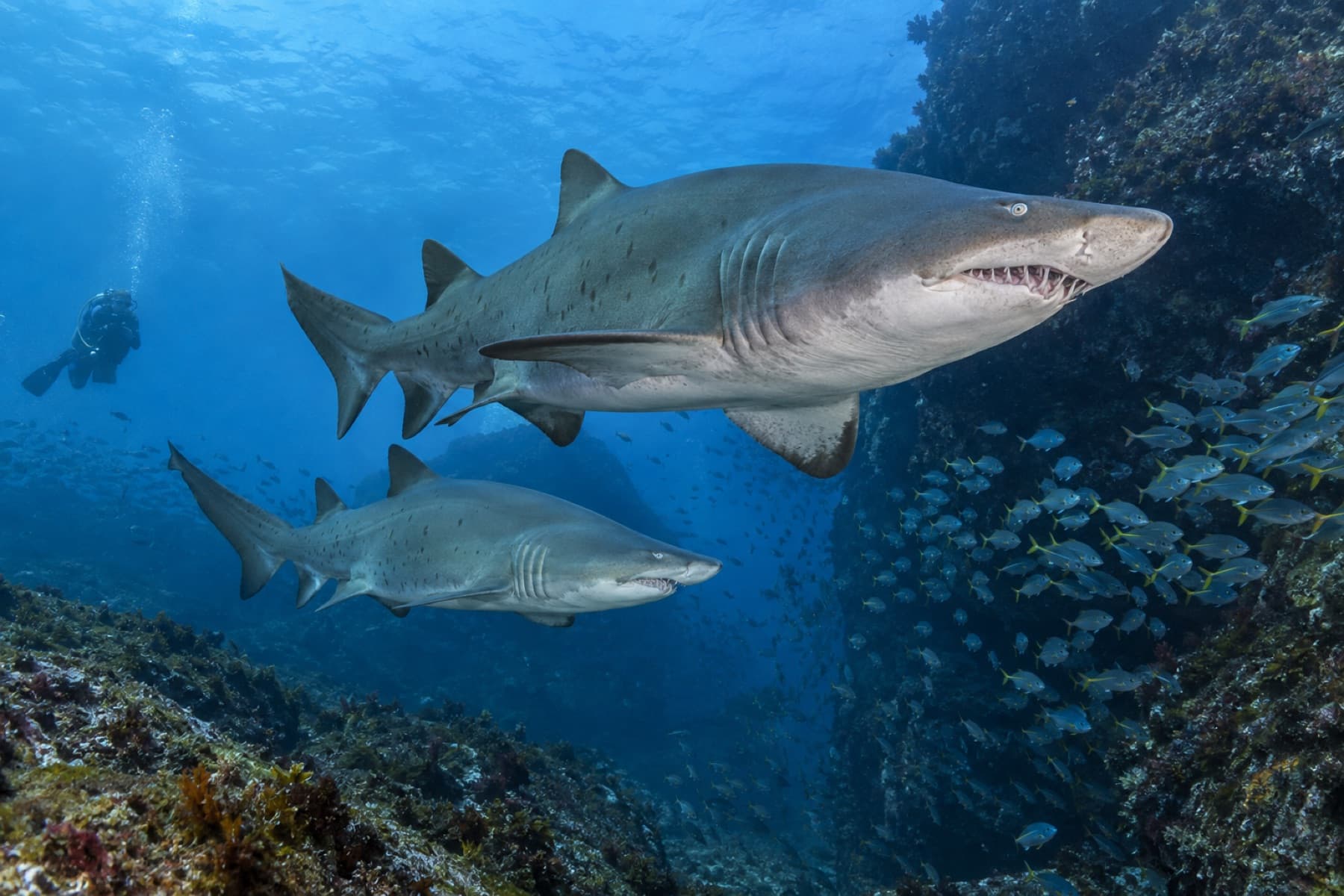 Shark Diving in AustraliaA practical guide to grey nurse sharks, whale sharks, wobbegongs and leopard sharks — including the regions, seasons and encounter styles that differ.
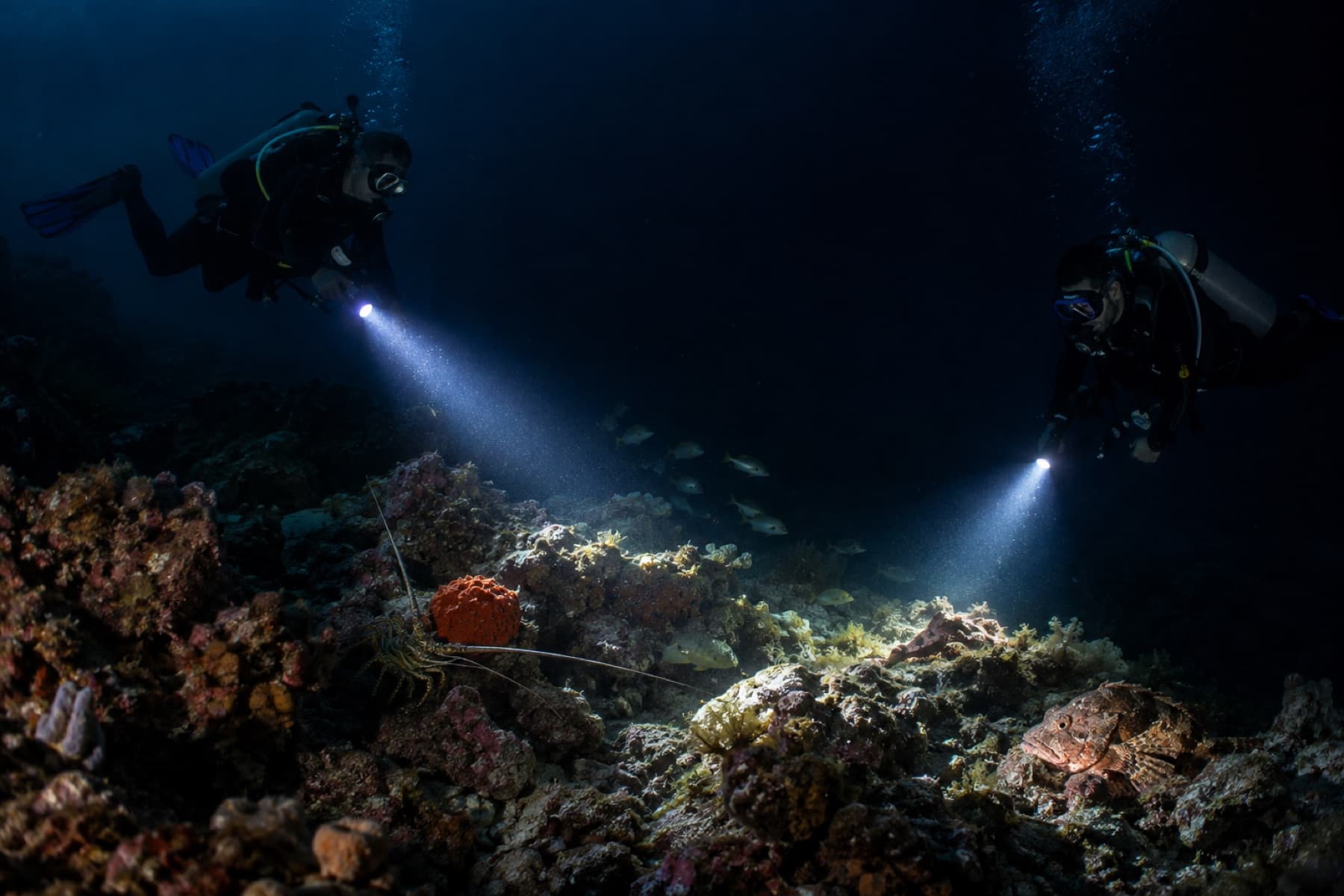 Night Diving in AustraliaWhere night diving works especially well in Australia, what changes after dark and how to plan shore, pier and liveaboard night dives.
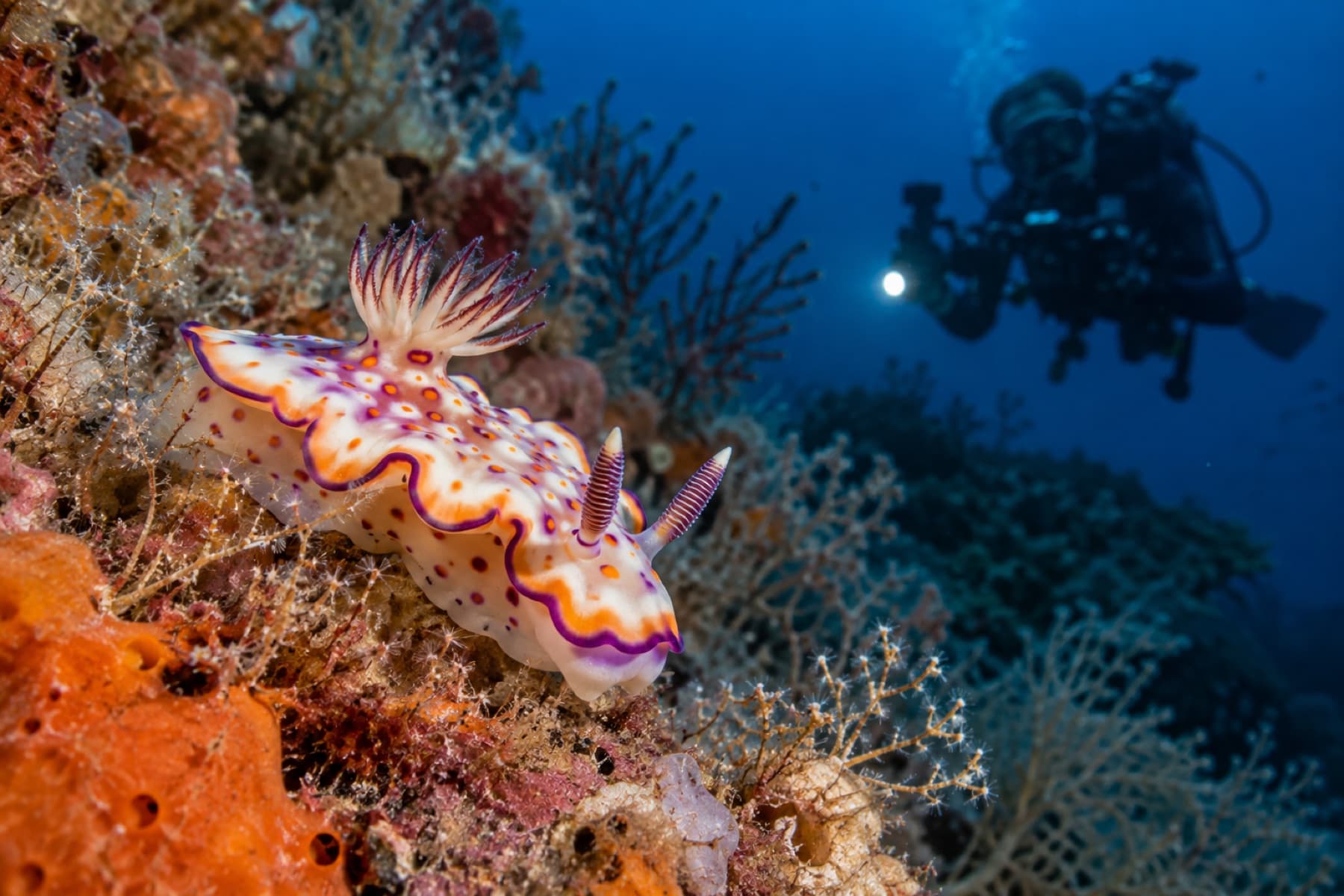 Macro and Muck Diving in AustraliaThe bays, piers and sheltered sites where small Australian marine life rewards slow diving, careful buoyancy and a very different idea of a good site.
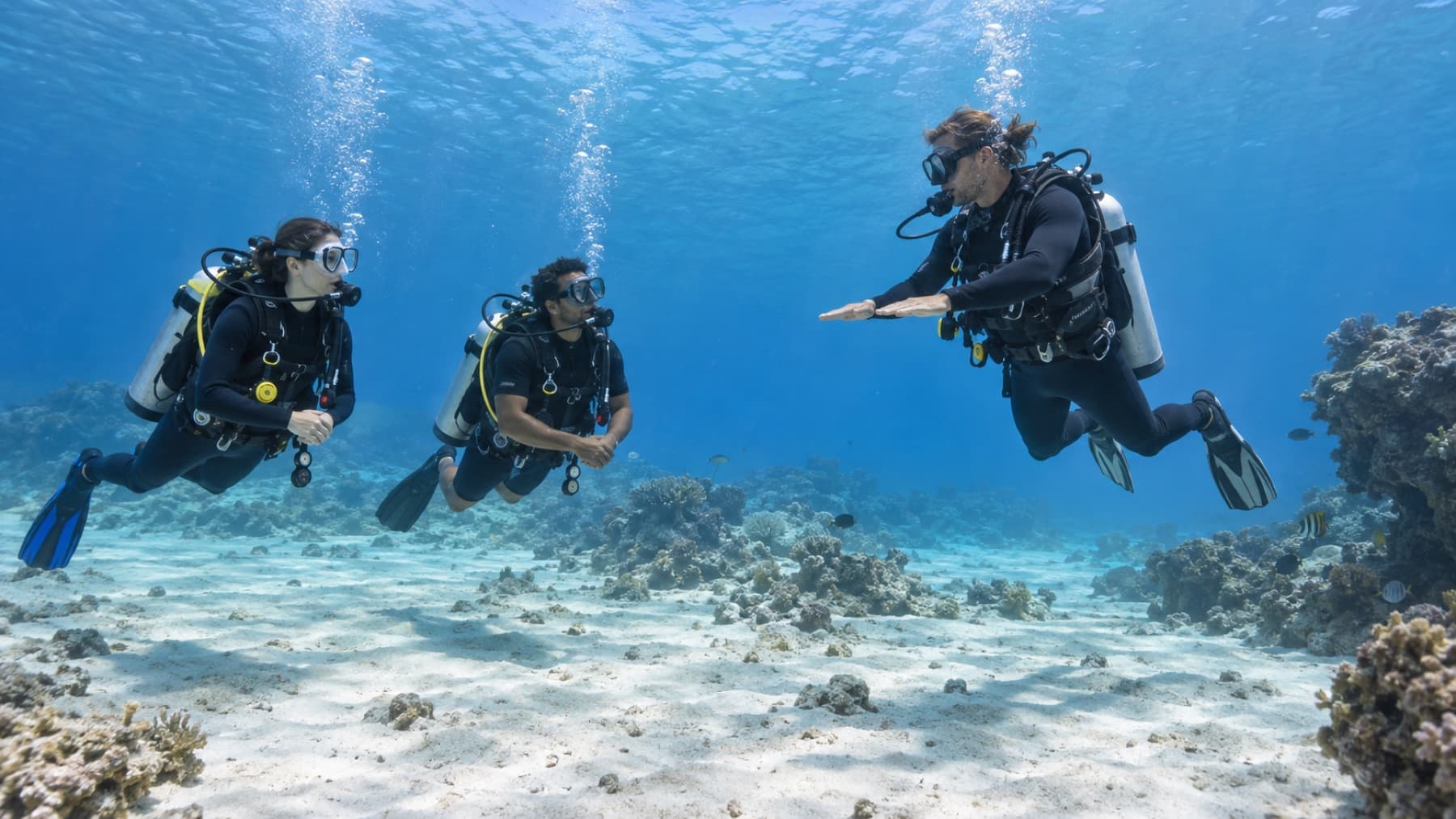 Beginner Dive Sites in AustraliaHow to choose a forgiving Australian dive site after certification, with examples that prioritise conditions, simple access and useful local support.
Prepare for the environment and choose support that matches your experience rather than your certification card alone.
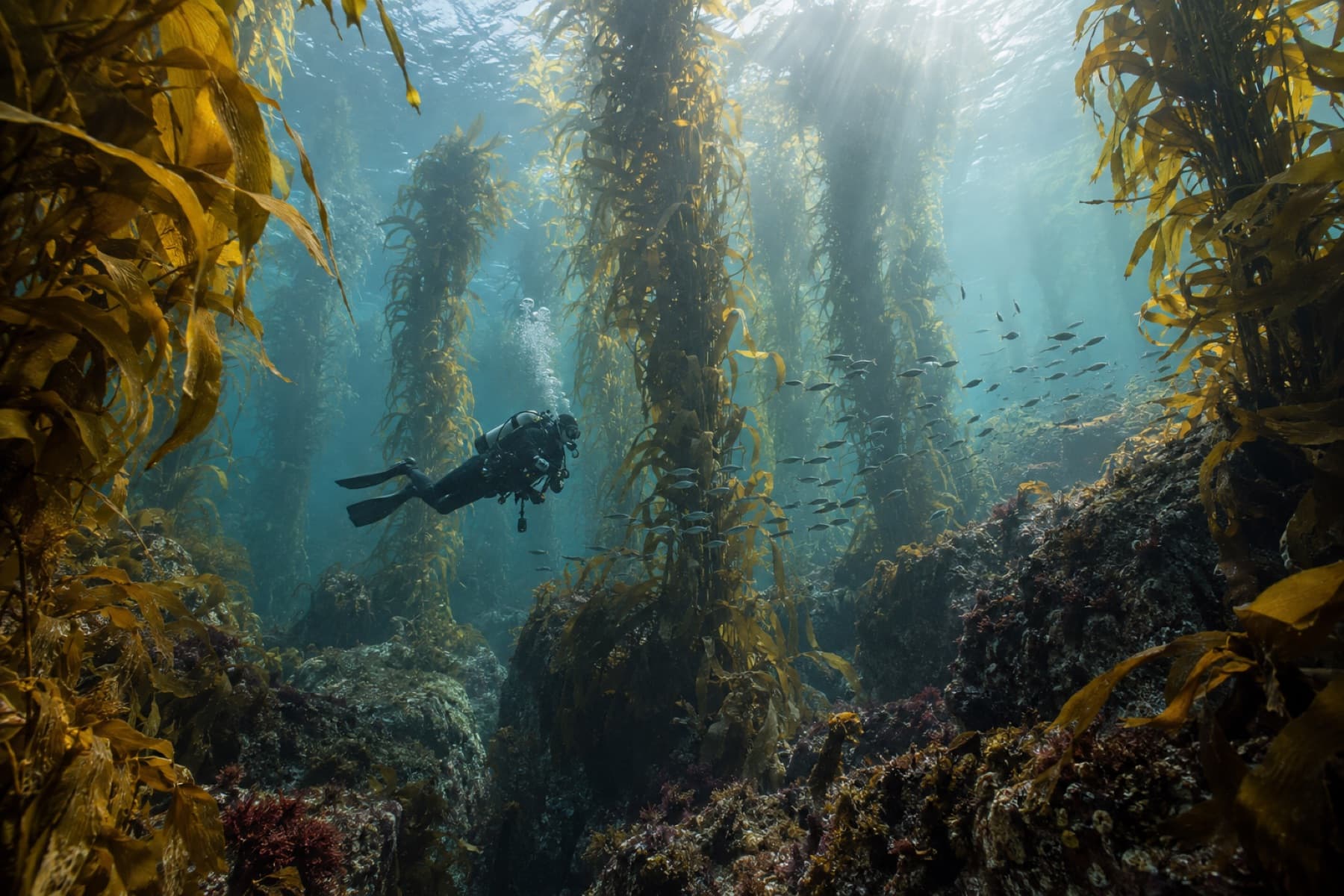 Cold-Water Diving in AustraliaWhy a diver certified in 27°C water needs more than a thicker suit to dive Victoria or Tasmania.Australian Water Temperature and Wetsuit GuideHow exposure protection changes from tropical Queensland to Tasmania, and why temperature alone does not choose the suit.Returning to Diving After a BreakA practical way to rebuild comfort, buoyancy and equipment familiarity before making the destination dive the checkout dive.How to Choose a Dive CentreThe most useful question is not which centre is best — it is which centre suits what you actually want to do.Types of Dive BusinessesFull-service centres, training schools, destination operators, charters, resorts and technical facilities are different things.Scuba Medicals and Fitness to Dive in AustraliaWhen a medical assessment may be required, what a dive operator needs to know and how to discuss health changes without guessing at medical clearance.
 The Australian Dive Buddy ChecklistA concise pre-dive conversation covering equipment, separation, gas, navigation and the point at which either diver turns the dive.Dive Computers: Planning, Settings and Shared DecisionsUse a dive computer as a personal exposure model and information tool—not as permission to outsource the dive plan.How to Read Australian Dive ConditionsTranslate swell, wind, tide, current, rainfall and visibility forecasts into better questions for the local operator.
Practical decisions for boats, shore entries, insurance, remote travel and low-impact encounters.
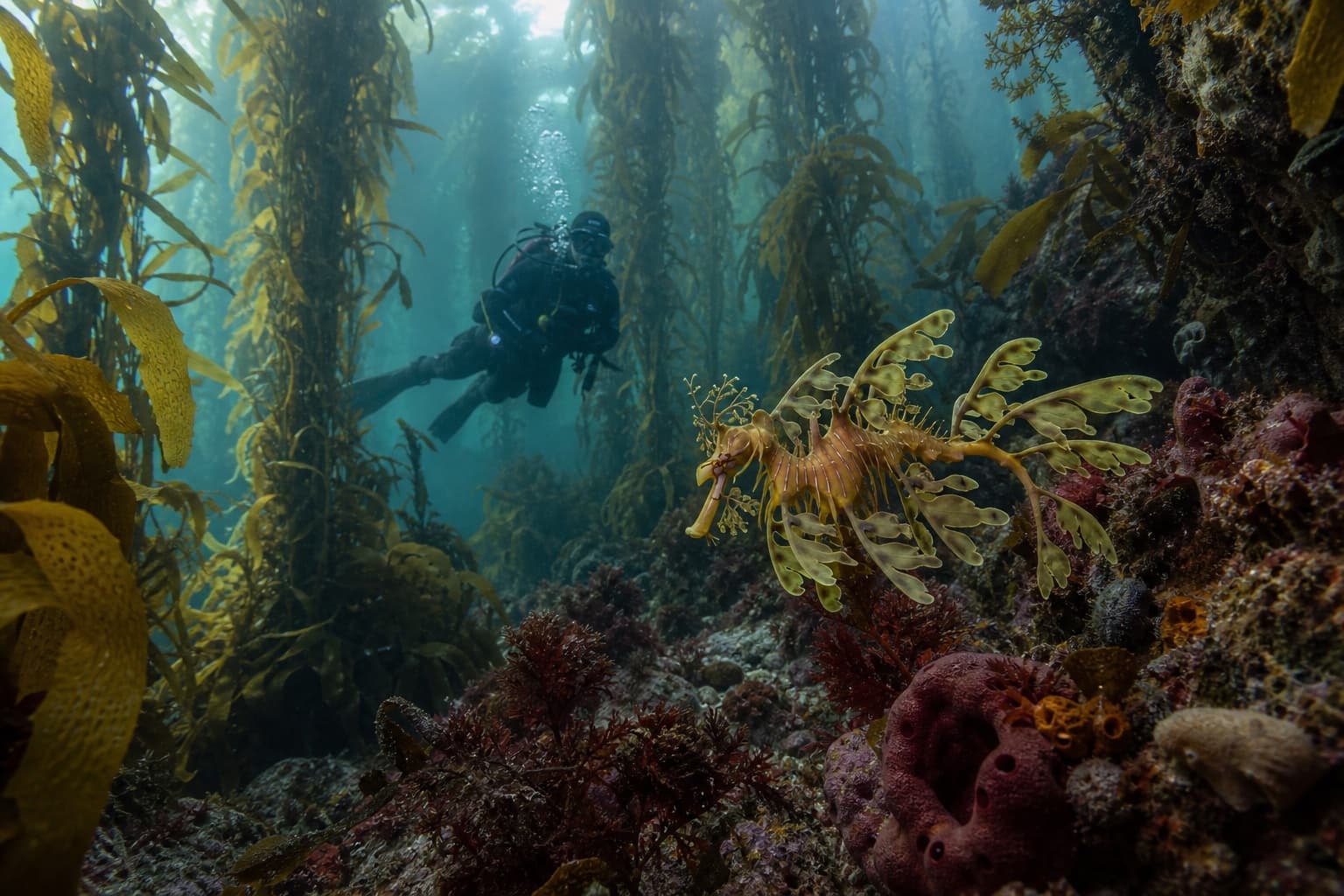 Responsible Diving in Australian Marine ParksA practical code for wildlife distance, anchoring, collecting, photography and local rules across protected Australian waters.Underwater Photography EtiquetteHow to make better images without damaging habitat, crowding wildlife or turning a group dive into a private photo session.
Choose programmes and mentors by structure, current practice and the support available after certification.
The sourcing, verification and editorial rules behind every profile.