Australian diving guide
Emergency Planning for Remote Australian Dive Trips
Build communications, oxygen, evacuation, medical and weather contingencies into trips where outside help may be hours away.
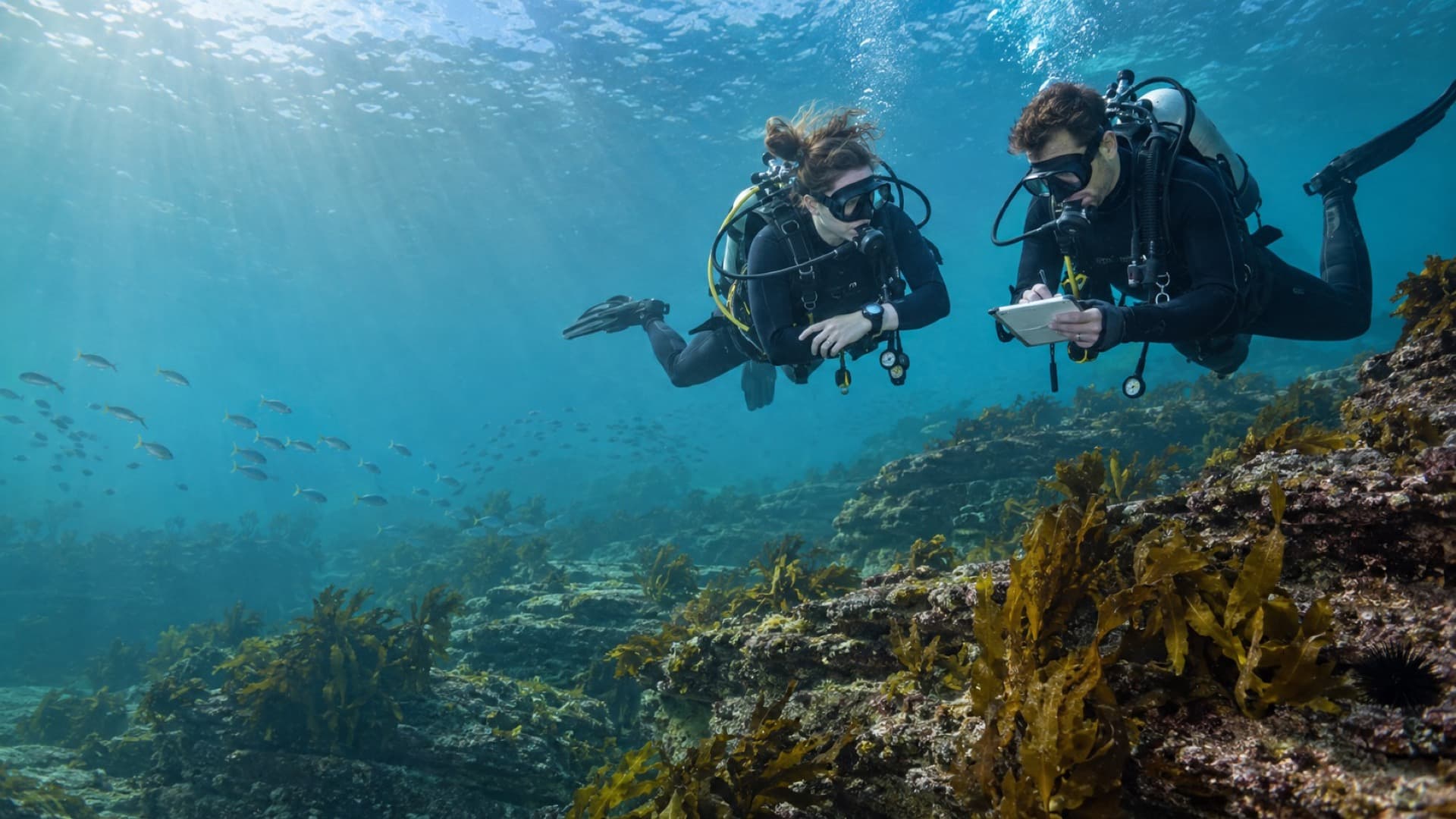
Remote diving changes the consequence of ordinary problems. A lost mask, failed compressor, medical symptom or weather delay may not have a nearby replacement or rapid evacuation.
The goal is not to make every diver an expedition leader. It is to know who owns each part of the emergency plan and whether the resources actually reach the site.
Ask about oxygen quantity and delivery equipment, communications, first aid, missing-diver procedure, vessel redundancy and the route to medical care.
- oxygen duration at realistic flow
- satellite or radio coverage
- emergency action plan
- nearest suitable landing or harbour
- weather and recall procedure
Carry critical medication, exposure protection, vision correction and essential spares that cannot be sourced locally. Keep records and contacts offline.
Remote trips fail safely when there is room to stop. Avoid flight connections and commitments that pressure the group to dive marginal weather or ignore symptoms.
Frequently asked questions
Should every dive boat carry oxygen?
Emergency oxygen is a fundamental risk-control measure, but carriage requirements and capacity vary. Confirm equipment and trained staff directly.
Is mobile coverage enough?
Not for many offshore or remote sites. Ask what primary and backup communications the operation uses.
What should I carry personally?
Carry essential medication, documents, exposure protection, signalling equipment appropriate to the site and critical spares agreed with the operator.