Dive centres in Australia
129 dive businesses across 50 regions and 9 states and territories — organised by what they actually do rather than by which agency logo they carry.
Australia does not have one public directory that represents every recreational dive centre, technical facility, resort operator, charter boat, equipment retailer and specialised instructor.
Agency locators naturally concentrate on their own networks. A PADI search will emphasise PADI centres. An SSI directory will emphasise SSI Training Centers. SDI and TDI cover another section of the market. RAID and IANTD become particularly relevant when advanced technical training is included.
A useful Australian directory therefore needs to work across agencies — and it needs to distinguish between business types that serve genuinely different customers.
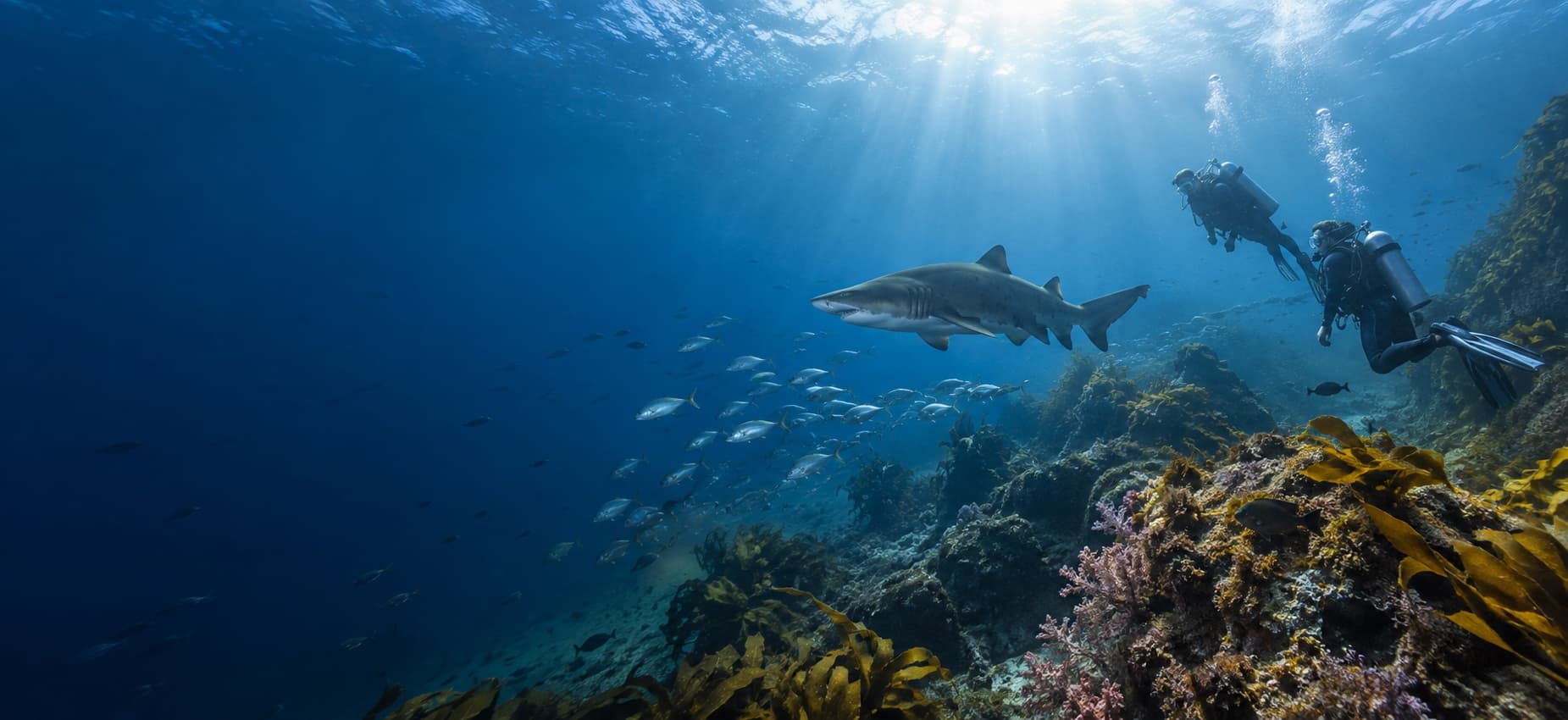
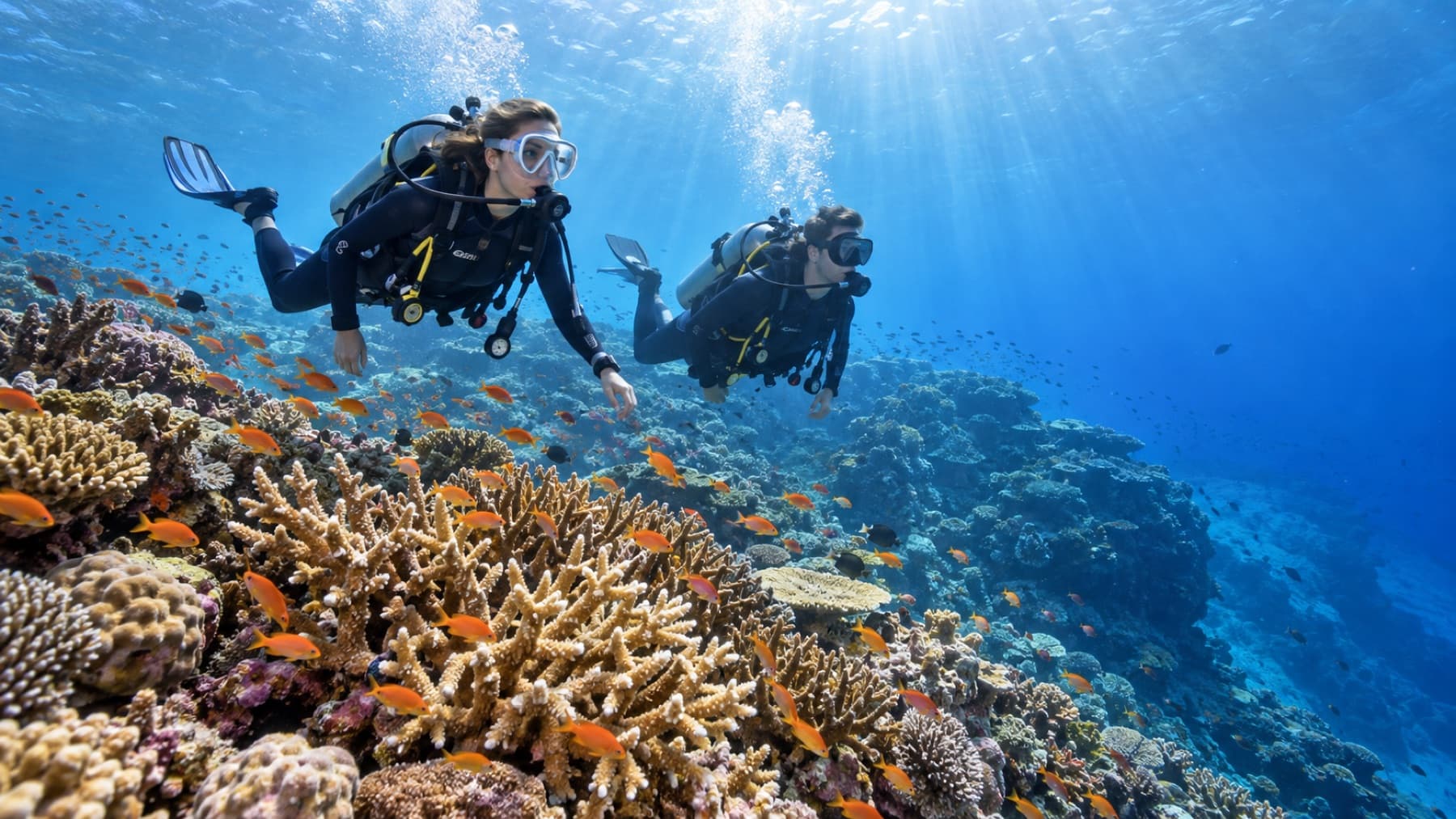 QueenslandAustralia's largest tropical dive-tourism market, plus a substantial resident diving population around Brisbane and the Gold Coast.
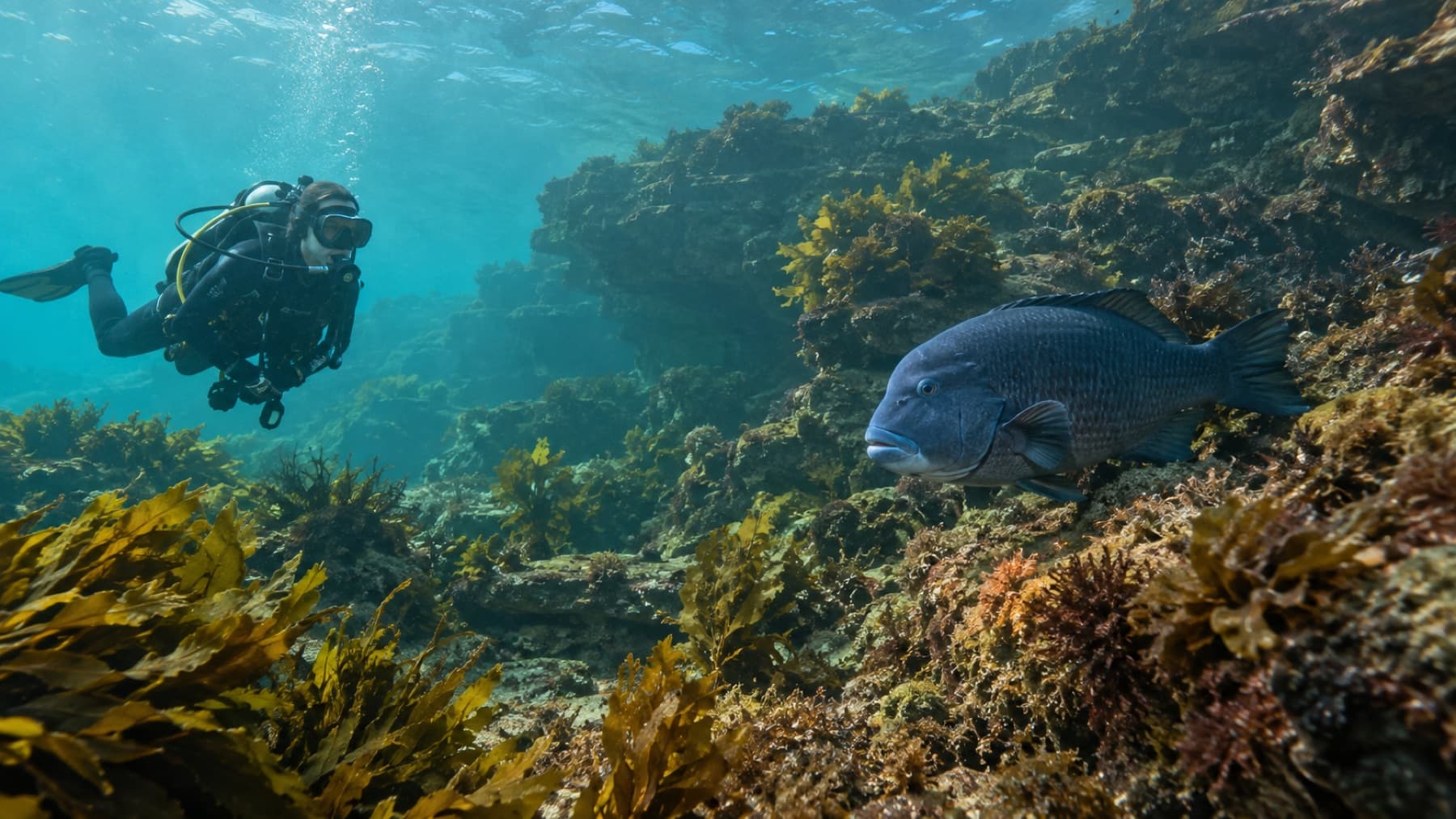 New South WalesOne of Australia's strongest year-round local diving cultures, with shore diving, shark aggregations and a deep technical training market in Sydney.
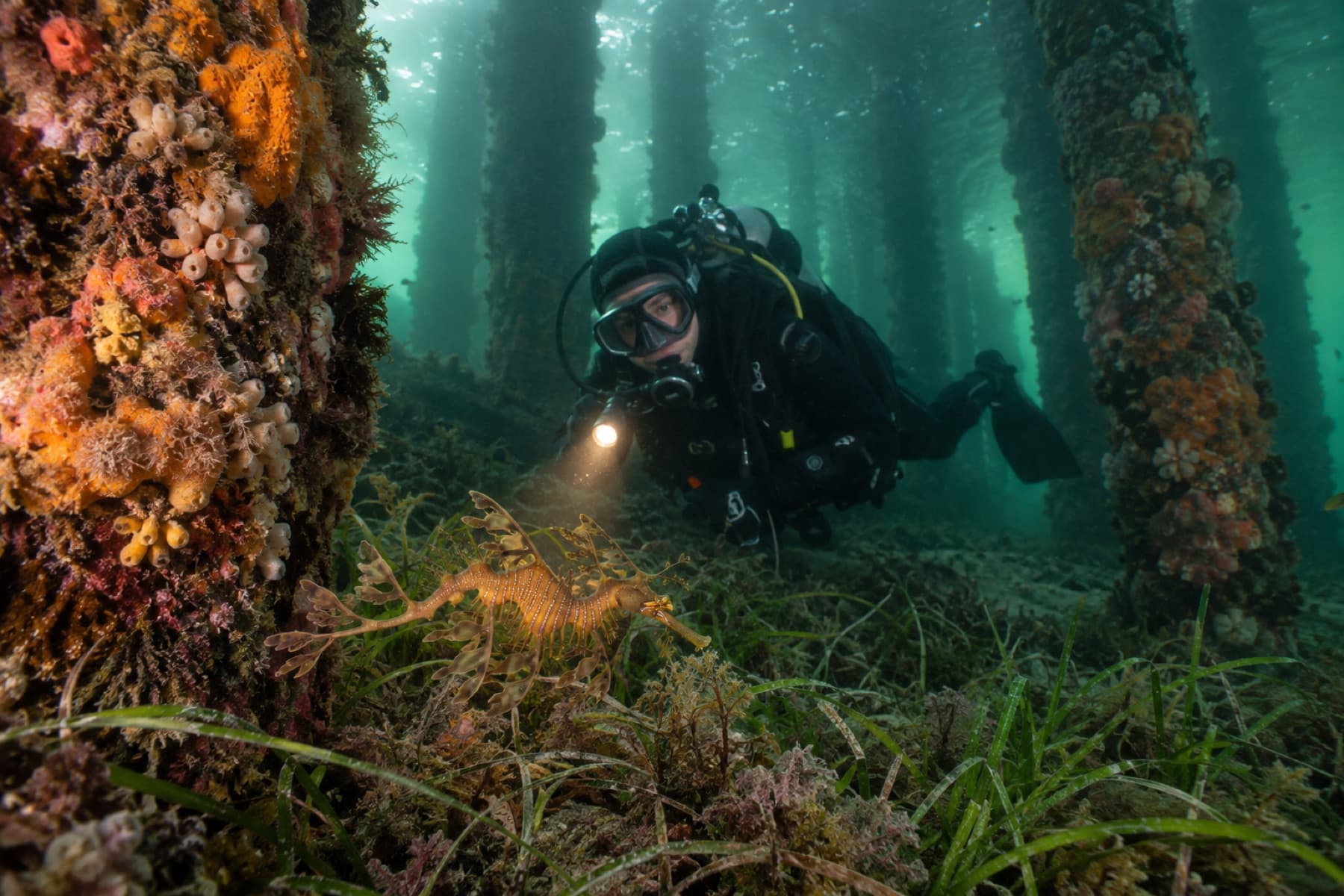 VictoriaCold-water shore diving, piers, more than sixty historic wrecks and wall diving that runs well past recreational depth.
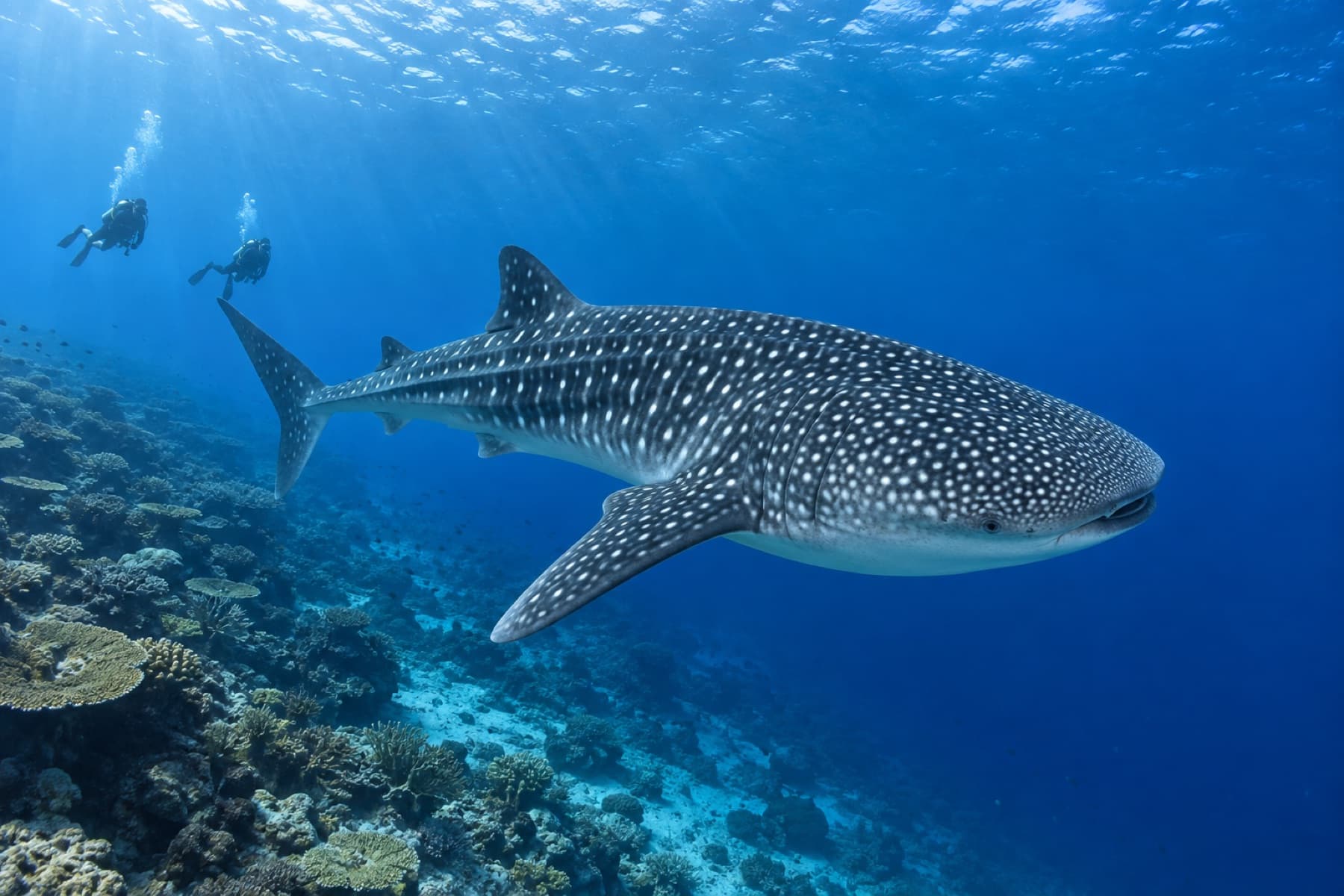 Western AustraliaThe most geographically extreme dive market in the country — tropical Ningaloo and cool southern-ocean diving inside one state.
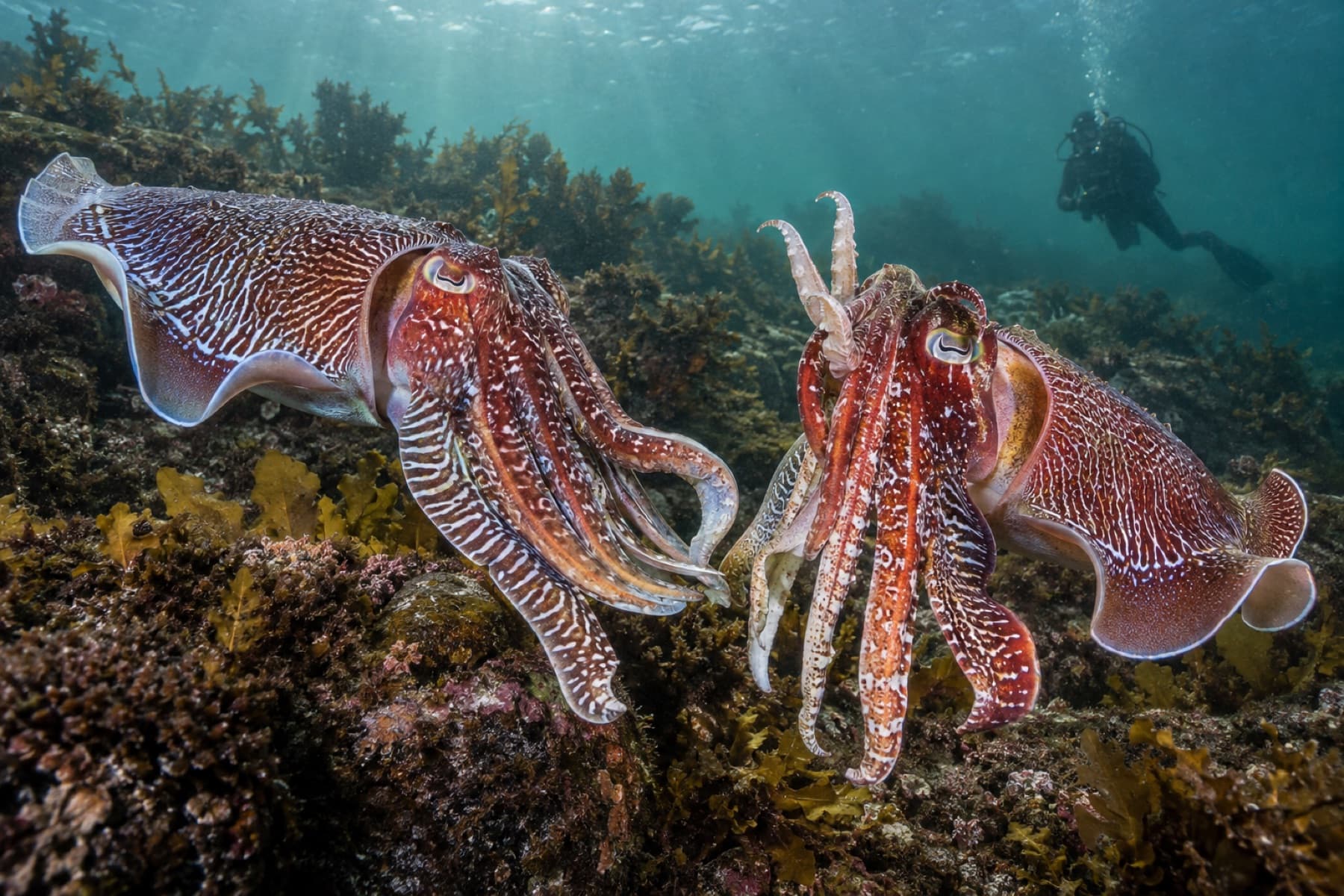 South AustraliaJetty diving, leafy seadragons, the giant Australian cuttlefish aggregation, and Australia's most important freshwater cave-diving region.
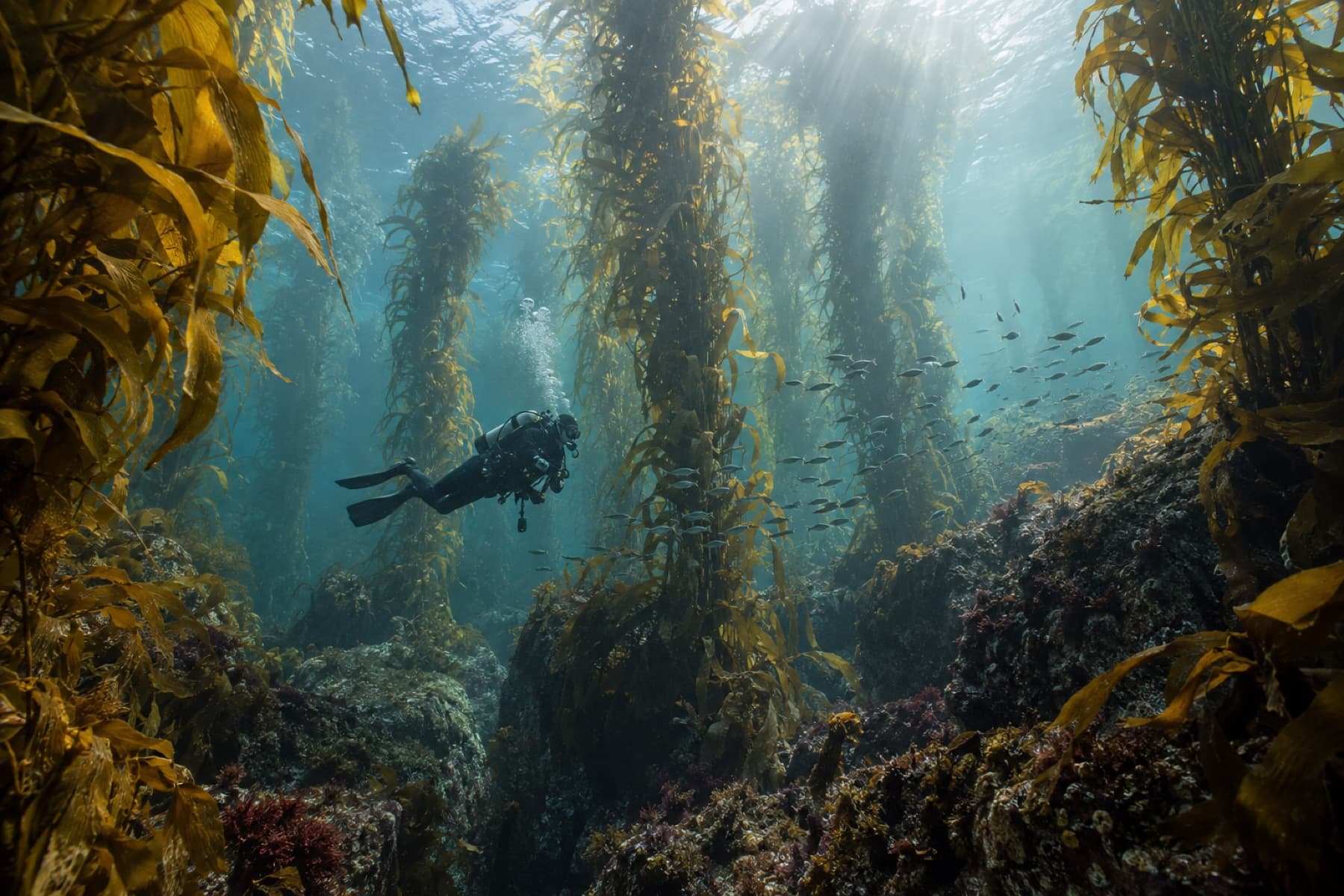 TasmaniaDramatic temperate diving — kelp, sea caves, sponge gardens, walls and deep wrecks in genuinely cold water.
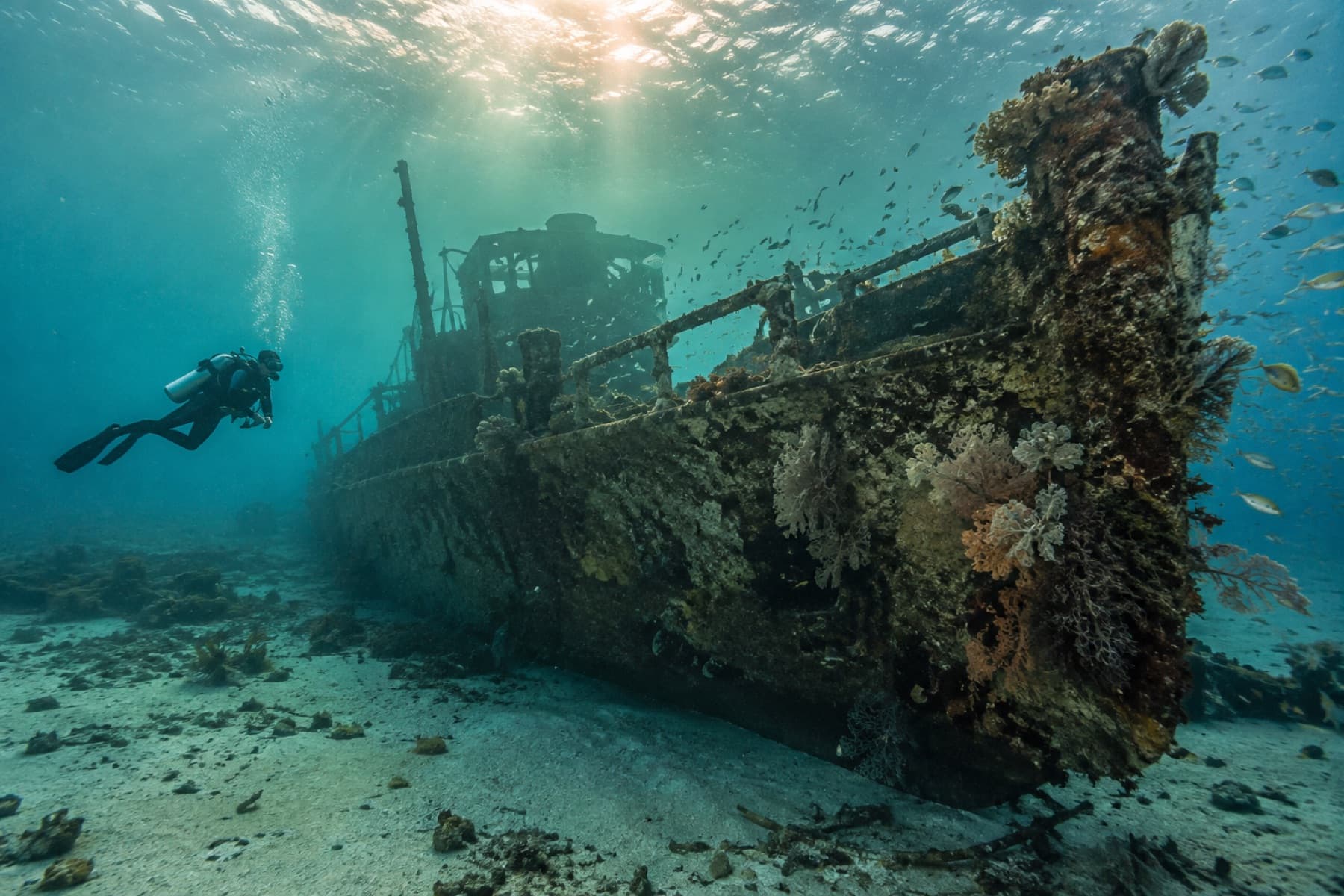 Northern TerritoryA small market with a genuinely distinctive environment: large tides, variable visibility and significant wreck history.
 Australian Capital TerritoryNo coastline, but a substantial diving community served by full training, servicing and cylinder facilities.
 Lord Howe IslandThe world's southernmost coral reef, 600 km offshore, mixing tropical, subtropical and temperate marine life.
These categories serve different customers, and grouping them together is the main reason generic directories are unhelpful.
Full-service dive centres
Training, equipment sales, rental, servicing, gas fills, club dives, guided dives and charters under one business. Best for divers wanting a long-term relationship with one local facility.
Training centres
Education-focused, from small instructor-owned schools to large career-development operations. Judge them on instructor experience and class size, not the number of courses advertised.
Destination operators
Businesses that exist because of a particular dive site. Daily local knowledge matters more here than a large equipment showroom.
Charter operators
A boat operator may provide excellent diving without being a conventional training centre. Compare vessel, passenger numbers, sites and guiding.
Resort dive centres
Accommodation, diving, equipment and training in one location. Convenient for travelling divers, but course and technical capabilities vary widely.
Technical dive centres
Require separate evaluation. A centre may offer only one part of the technical range, and each capability needs verifying individually.
The best dive centre depends entirely on what you want to accomplish. These guides cover what to evaluate, in the order that matters.
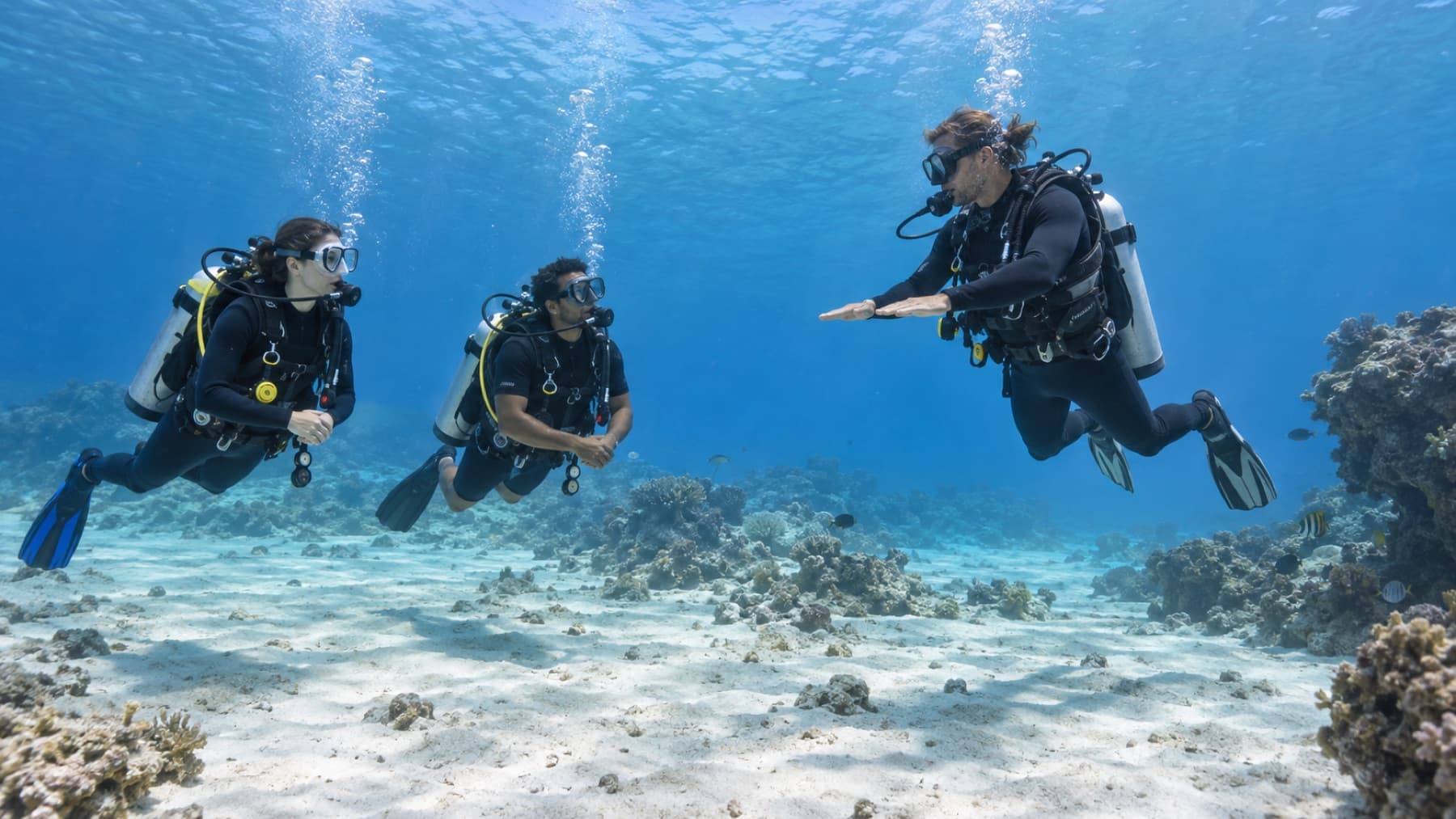 How to Choose a Dive CentreThe most useful question is not which centre is best — it is which centre suits what you actually want to do.
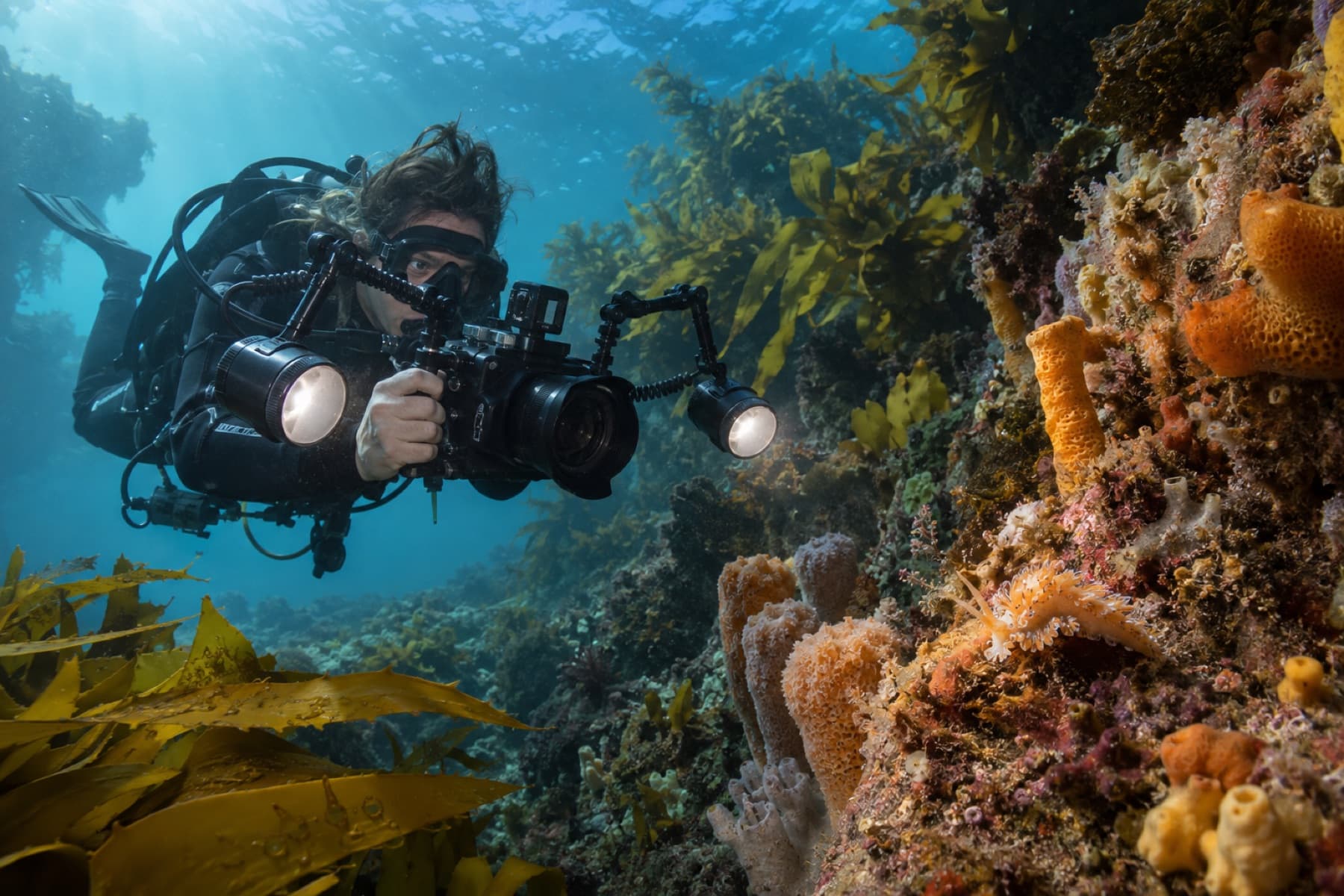
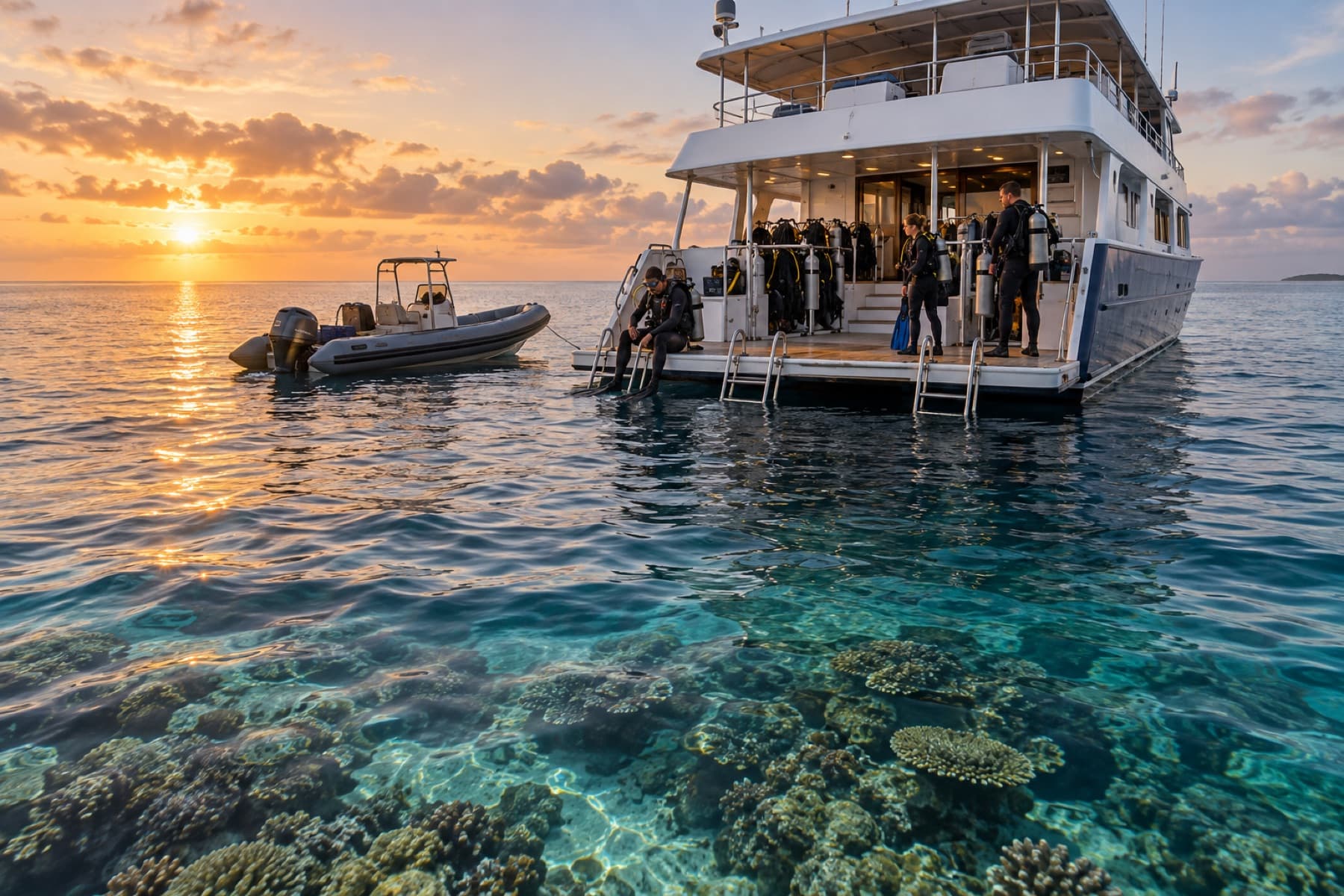 Types of Dive BusinessesFull-service centres, training schools, destination operators, charters, resorts and technical facilities are different things.Cold-Water Diving in AustraliaWhy a diver certified in 27°C water needs more than a thicker suit to dive Victoria or Tasmania.
 Our Editorial and Research StandardsWhat we publish, what we refuse to publish, and how verified capability is separated from assumption.Best Diving in Australia: Where to Go and WhyAustralia's best diving is not one reef — it is a choice between tropical coral, big animals, temperate oddities, wrecks, caves and exceptional shore dives.
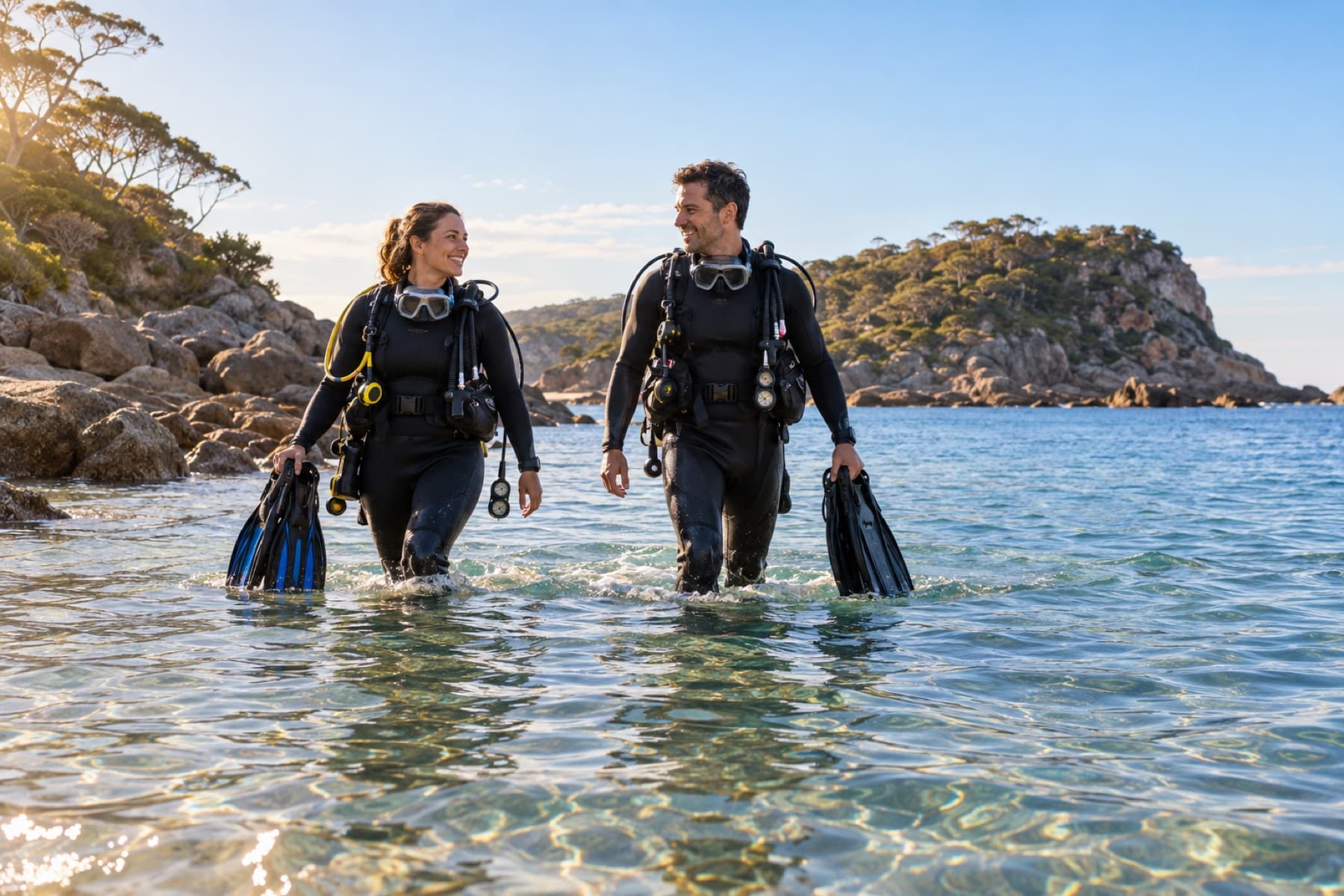 Best Shore Diving in AustraliaAustralia's most accessible diving includes Sydney reefs, Victorian piers, South Australian jetties and sheltered sites with exceptional macro life.How to Plan Your First Australian Dive TripA practical sequence for choosing the region, season, operator, equipment and backup days for an Australian diving holiday.
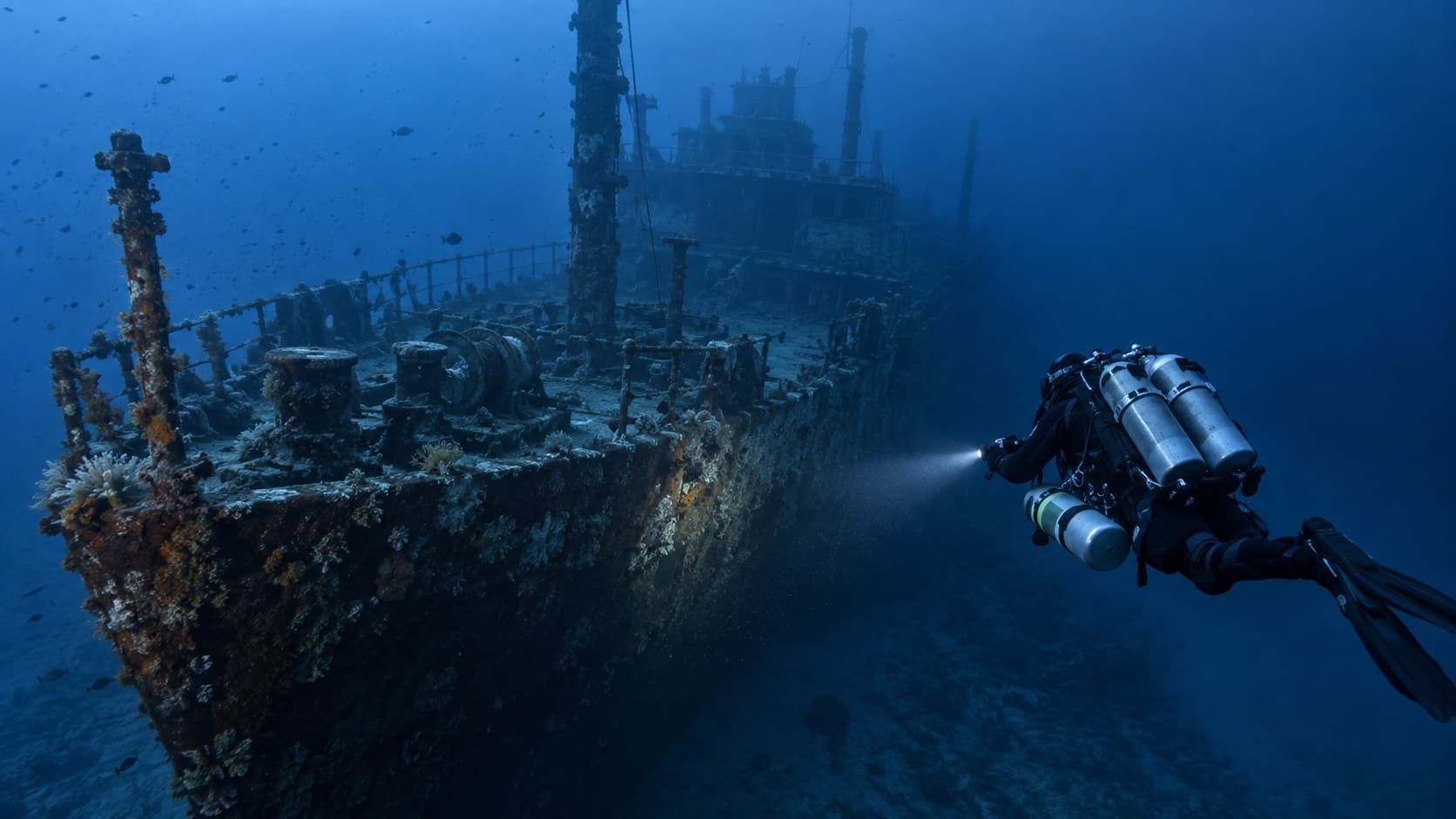 Wreck Diving in AustraliaFrom the SS Yongala and HMAS Brisbane to Port Phillip's ships' graveyard: how Australia's wreck regions differ and what training each kind of dive requires.
Every documented region, grouped by state. Regional pages cover conditions, seasonality, local sites and the businesses that serve them.
Queensland
Cairns · Port Douglas · Townsville, Ayr & the SS Yongala · Magnetic Island · Whitsundays · Bundaberg & Southern Great Barrier Reef · Sunshine Coast · Rainbow Beach & Wolf Rock · Brisbane & Moreton Bay · North Stradbroke Island · Gold Coast
New South Wales
Byron Bay · South West Rocks · Coffs Harbour & the Solitary Islands · Port Macquarie · Newcastle, Nelson Bay & Port Stephens · Central Coast · Sydney · Wollongong & Shellharbour · Jervis Bay · Narooma · Merimbula & Eden
Western Australia
Perth · Rottnest Island · Rockingham · Busselton & Dunsborough · Ningaloo & Exmouth · Geraldton & Abrolhos Islands · Albany · Esperance · Christmas Island · Cocos Keeling Islands