
Choose the experience
Start with the diving, not the logo
Canberra is documented for training, servicing, club diving and travel. Compare operators by the sites, schedule, group model and support your planned dives require.
Australian Capital Territory
Inland training, servicing, cylinder testing and the club structure that makes coastal diving practical.
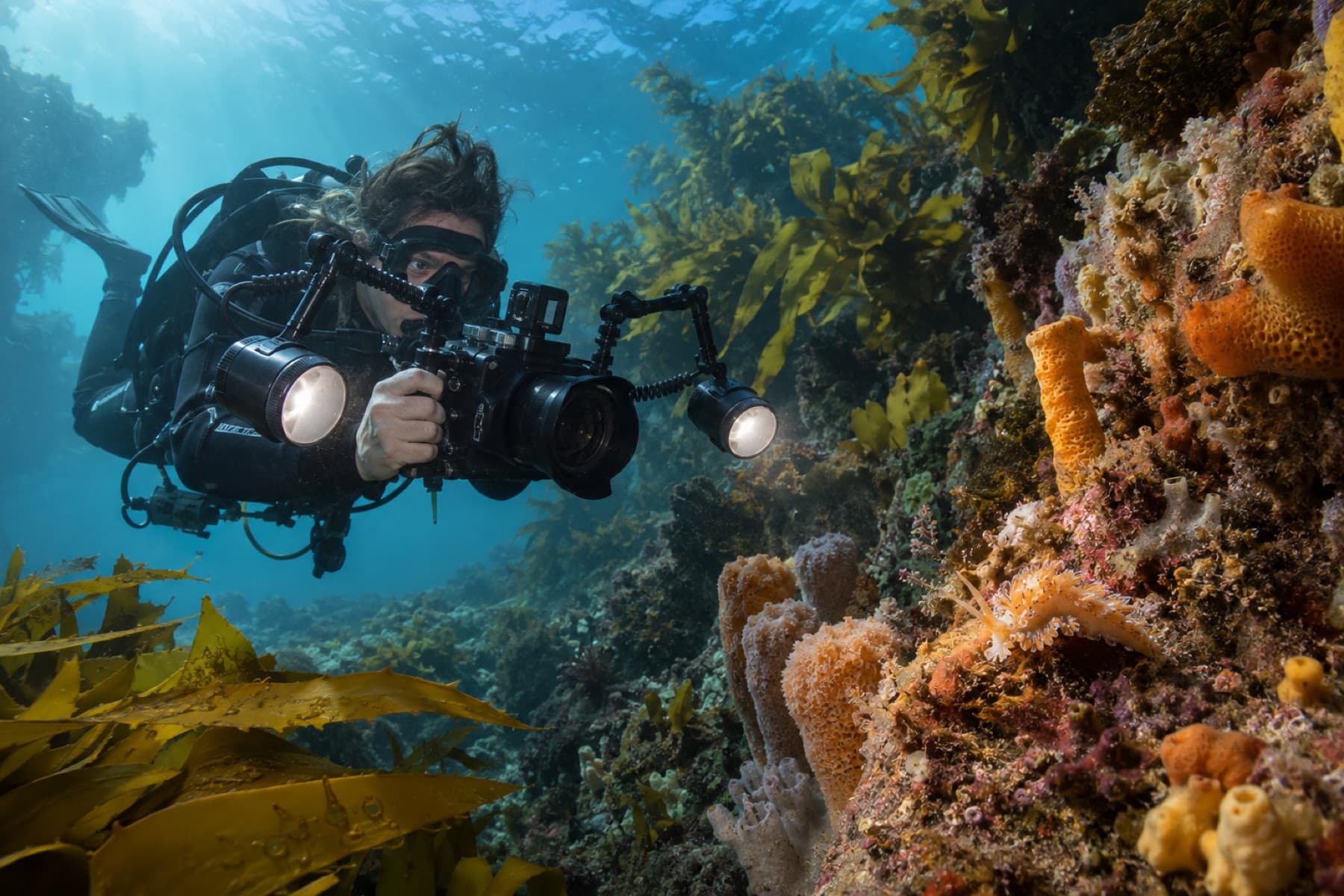
Canberra businesses primarily provide theory and confined-water training, equipment sales and servicing, cylinder services, fills, dive clubs, organised coastal trips and travel.
Theory and confined-water work can be completed locally, with open-water dives requiring travel to a suitable coastal location — most commonly the NSW south coast.
That structure can actually be advantageous for local residents, because the centre continues supporting them after certification. A holiday-only course tends to end when the holiday ends.
| Water temperature | Determined by the coastal destination, typically 14–22°C. |
|---|---|
| Visibility | Determined by the coastal destination. |
| Season | Training year-round; coastal trips scheduled around conditions. |
| Diving types | Training, Servicing, Club diving, Travel |
| Businesses documented | 2 |
| Dive sites documented | 0 |
Choose the experience
Canberra is documented for training, servicing, club diving and travel. Compare operators by the sites, schedule, group model and support your planned dives require.
Time the visit
Training year-round; coastal trips scheduled around conditions. Visibility: Determined by the coastal destination.
Build the shortlist
This guide connects 2 documented businesses and 0 dive sites. Read the individual profiles, then verify availability and suitability with the operator.
Useful next reads: interpreting dive conditions, exposure protection and the Australian packing list.
Inland diving has a distinct set of practical considerations that coastal divers never think about.
For an inland diver, an active club is particularly valuable because it solves one of scuba's biggest practical problems: finding people to dive with.
It also turns a three-hour drive to the coast from an obstacle into a normal, shared weekend.
Each profile separates what is verified from what is advertised, and lists the questions still worth asking the operator directly.
Use these guides to match the region to the right season, experience level and style of diving.
Before you book
Capabilities and requirements change. Read how to choose a dive centre for what to actually evaluate, and confirm certification requirements, equipment hire and conditions directly with the operator before travelling.
Training year-round; coastal trips scheduled around conditions.
Water temperature: Determined by the coastal destination, typically 14–22°C.. Visibility: Determined by the coastal destination.. These are planning ranges rather than guarantees for a particular dive.
This directory currently connects 2 businesses with 0 documented dive sites. Read individual profiles because training, boats, equipment and gas services differ.
Beginner training or beginner-classified sites are documented in the region. Suitability still depends on the exact site, weather, supervision and the diver's comfort on the day.
Match the operator to the intended site and support required. Compare current schedule, group size, guiding, equipment, cancellation terms and how the operation assesses recent experience.