Australian diving guide
Australian Water Temperature and Wetsuit Guide
How exposure protection changes from tropical Queensland to Tasmania, and why temperature alone does not choose the suit.
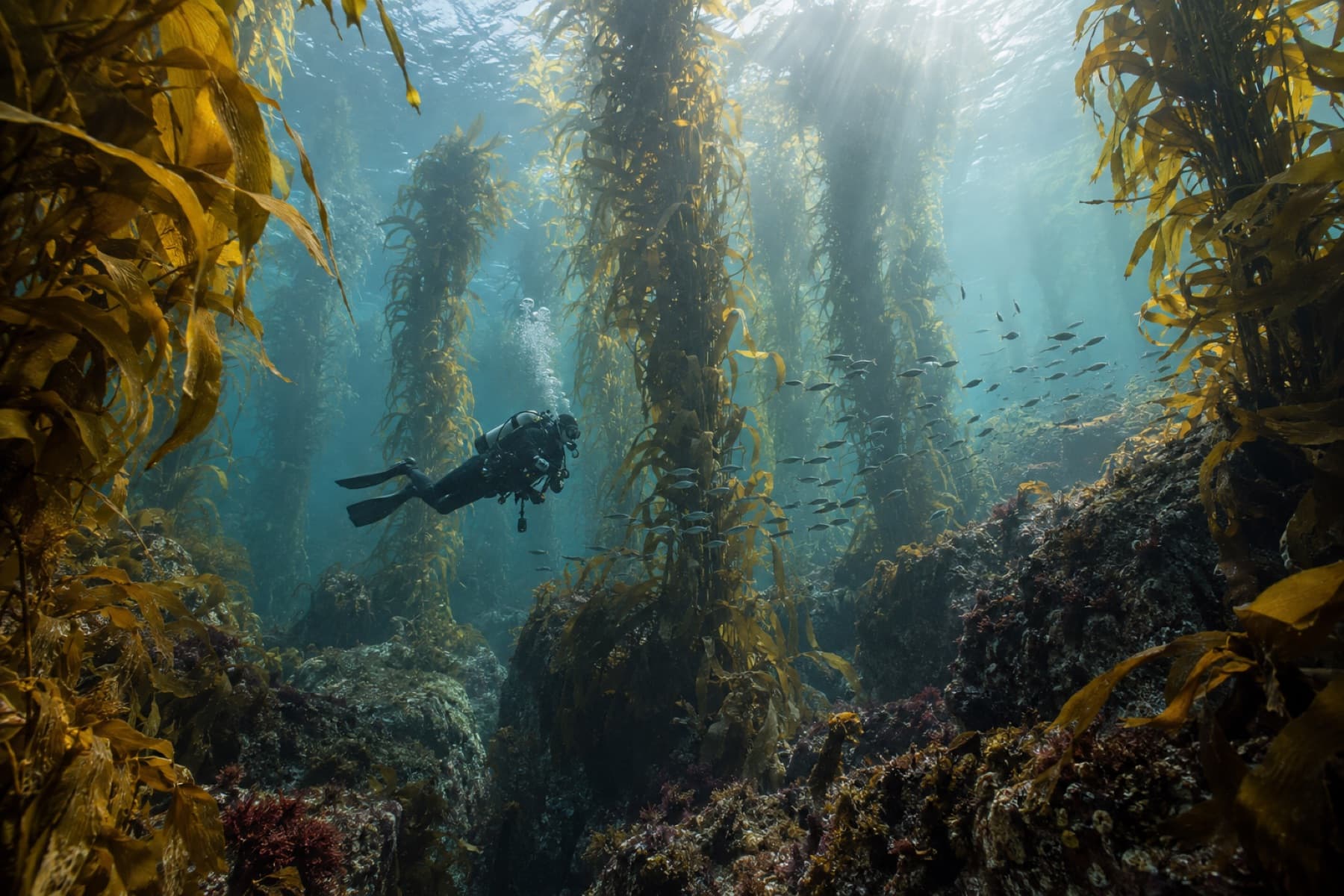
Australian diving spans tropical water, temperate bays and genuinely cold southern winters. There is no national answer to what suit to bring.
Water temperature is the starting point, but dive duration, repeated dives, wind, body size, personal cold tolerance and the fit of the suit determine whether the choice works in practice.
Far north Queensland and the tropical northwest commonly support thinner exposure protection, but liveaboard schedules and long repetitive dives can make divers colder than the headline temperature suggests.
- ask what operators supply in the specific month
- carry a wind-blocking layer for surface intervals
- consider a hooded vest for repeated dives
- protect skin even when thermal insulation is minimal
The east coast changes substantially by latitude and season. Sydney can feel warm to a southern diver and cold to someone arriving from Cairns, while northern NSW receives stronger tropical influence.
- check recent local temperature rather than an annual average
- plan for thermoclines on deeper sites
- fit matters more than an extra millimetre of loose neoprene
Southern diving requires deliberate thermal planning. Thick wetsuits, hoods and gloves are common, while drysuits become attractive for winter, long dives and repeated days.
- a drysuit changes weighting and buoyancy
- cold hands affect dexterity and task loading
- the second dive often determines the right protection
- surface wind can be as important as the water
A drysuit is not automatically warmer or easier. It must fit, the undergarment must match the water and the diver needs training and practice. A well-fitting wetsuit can remain the better choice for occasional moderate conditions.
Frequently asked questions
What wetsuit do I need for Australia?
It depends on region, month, dive duration and personal tolerance. Confirm recent temperature and the operator's normal rental setup before travelling.
Do I need a drysuit in southern Australia?
Not universally. Many locals use thick wetsuits, while drysuits are valuable for winter, repetitive diving and divers who become cold easily.
Should I use a hood?
A hood can materially improve comfort in temperate and cold water and may also help on repetitive tropical dives. It must fit without interfering with the mask seal.