Australian diving guide
Dive Computers: Planning, Settings and Shared Decisions
Use a dive computer as a personal exposure model and information tool—not as permission to outsource the dive plan.
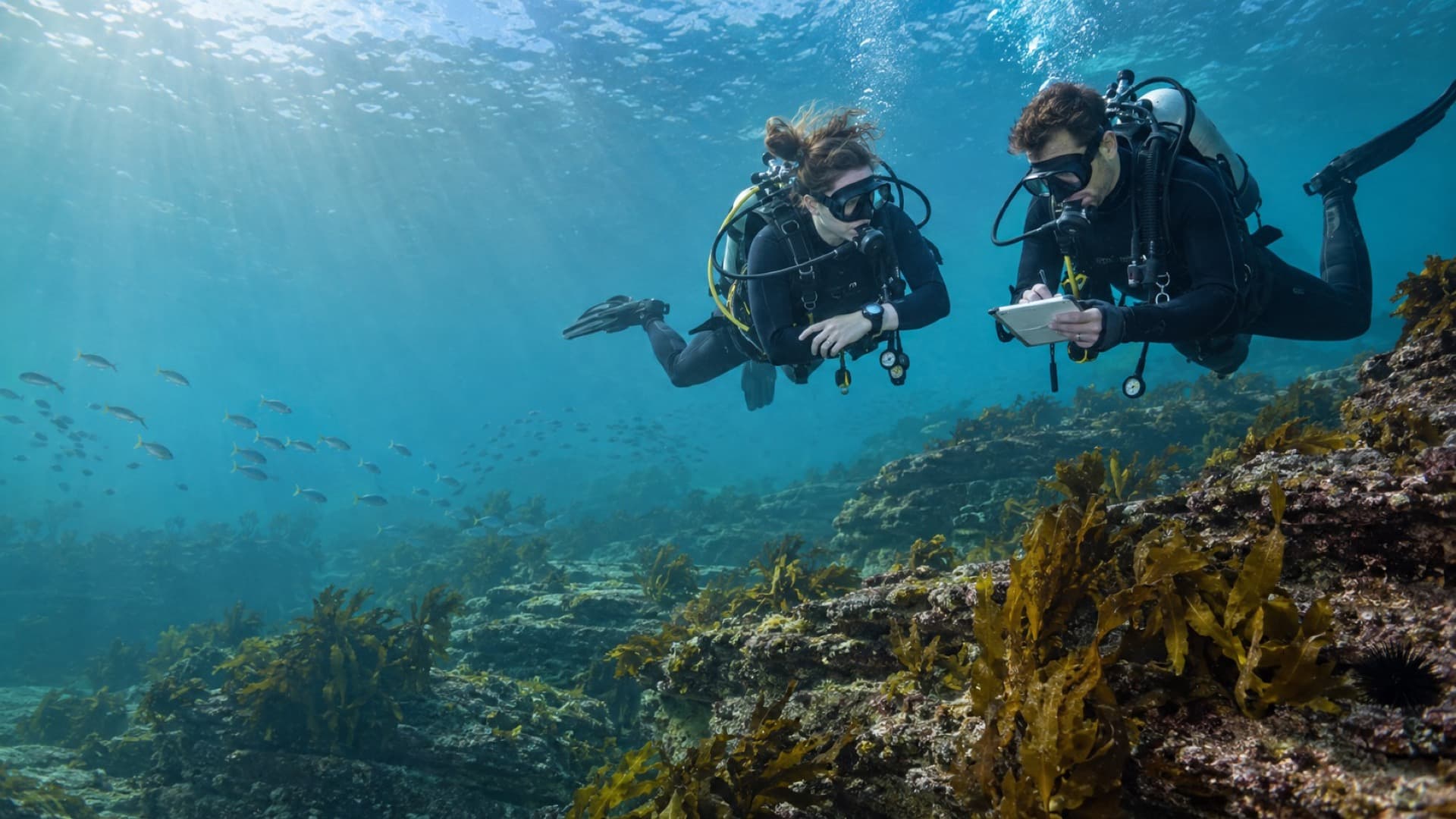
Two computers can display different remaining time after the same dive because algorithms, settings, gas and recent history differ. That is expected; a buddy team still needs one coherent plan.
Learn the display and alarms before the first important dive, especially when renting or changing equipment.
Confirm time, units, altitude mode, gas fraction, personal conservatism and transmitter pairing. Analyse Nitrox independently before entering the value.
- oxygen fraction and maximum operating depth
- audible and vibration alarms
- sampling or display mode
- battery state
- backup plan
Agree maximum depth, time, gas reserve and ascent before the dive. The most conservative relevant limit normally governs the team; no-decompression time does not replace gas planning.
Do not average two displays or follow the more permissive one. End or modify the dive using the agreed plan and the more limiting information, then understand the difference on the surface.
Frequently asked questions
Can buddies share one dive computer?
Each diver should track their own exposure with an appropriate computer or plan. A computer follows the wearer, not the team.
Can I change algorithms between dives?
Avoid changing settings to obtain more time. Understand the manufacturer's instructions and seek appropriate training.
What if the computer enters decompression unexpectedly?
Follow the training and manufacturer guidance, communicate with the buddy and complete a controlled ascent within available gas rather than improvising extra exposure.