Western Australia dive centres
The most geographically extreme dive market in the country — tropical Ningaloo and cool southern-ocean diving inside one state.
Western Australia has one of the most geographically diverse dive markets in the country. A single state contains metropolitan Perth diving, Rottnest Island limestone reefs, southwest wreck diving, tropical Ningaloo, the remote Abrolhos Islands and Australia's Indian Ocean territories.
The distances are enormous. Perth to Exmouth is roughly 1,250 kilometres by road. Christmas Island is closer to Jakarta than to Perth. Western Australia should never be represented by a simple list of Perth dive shops.
That distance has a practical consequence that matters more here than anywhere else in Australia: services do not travel. Technical gas, specialist servicing, cylinder testing and equipment availability are concentrated in Perth, and remote destinations cannot be assumed to have them.
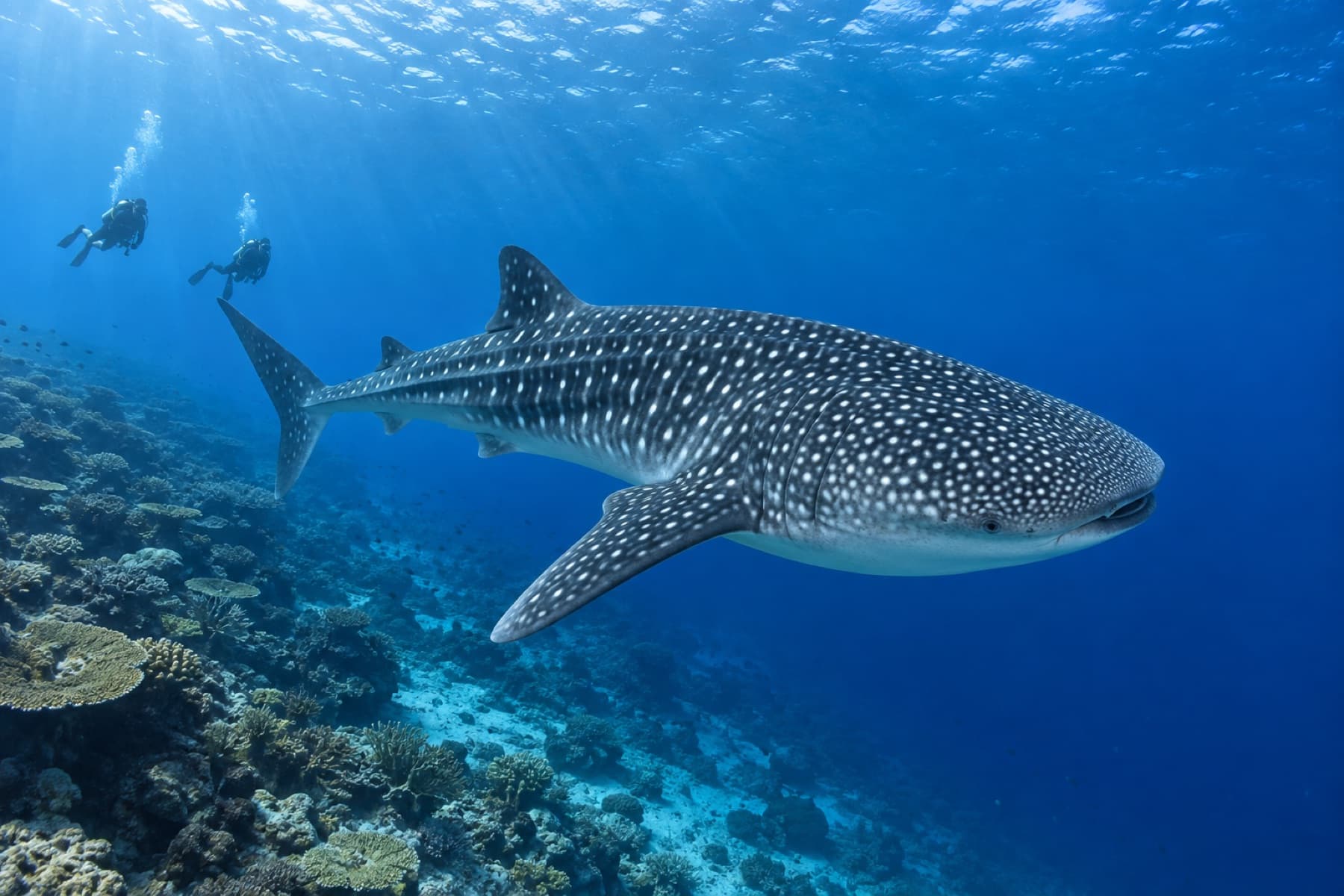
The state also spans a genuine climatic range. Ningaloo is a tropical fringing reef where whale sharks aggregate. Albany and Esperance face the Southern Ocean and are cold, exposed and weather-dependent. Planning for one tells you very little about the other.
Western Australia is organised by region because conditions, marine life and the kind of business that survives locally vary enormously within the state.
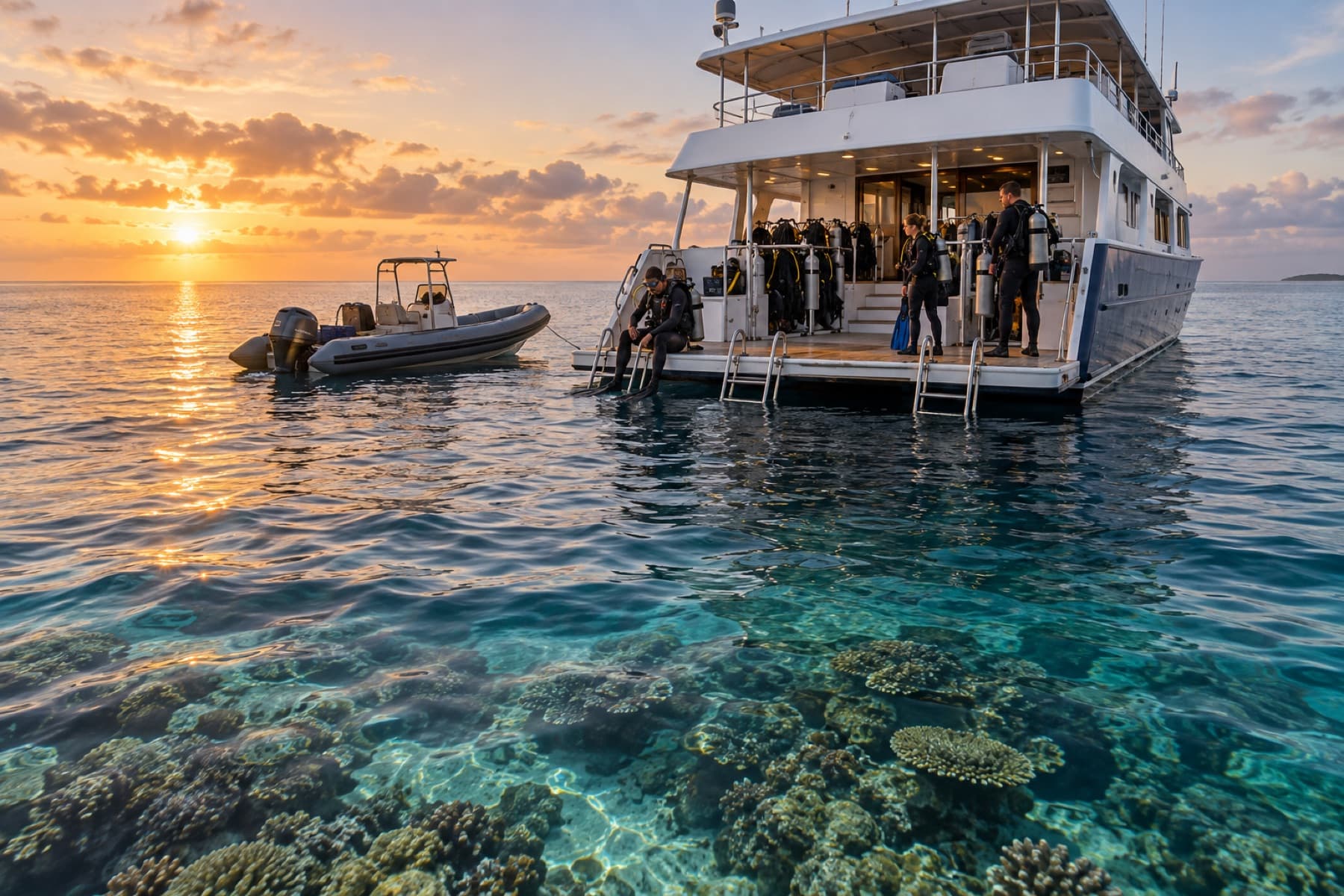 PerthThe state's centre for training, retail, servicing, gas and technical support — and the gateway to Rottnest.
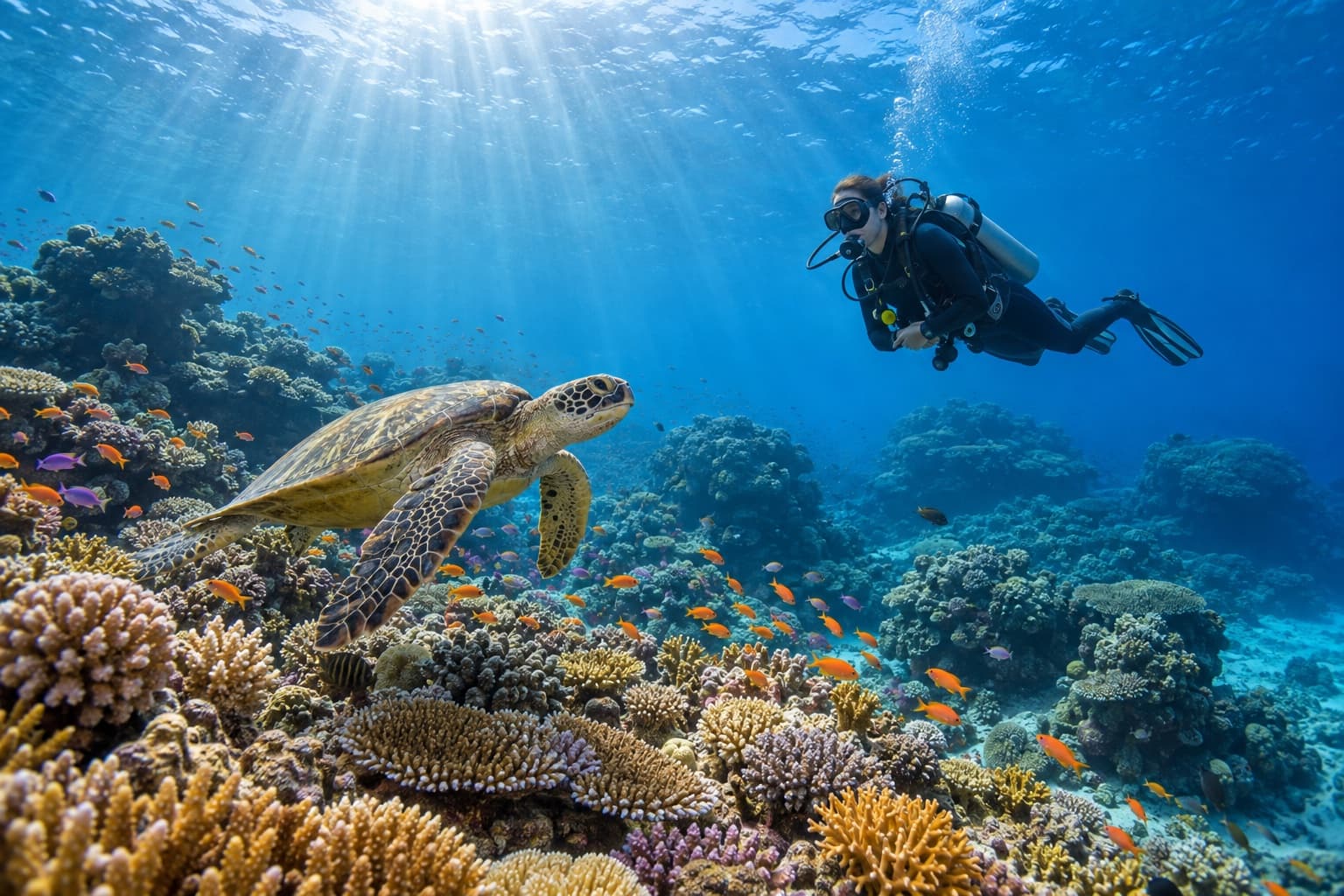 Rottnest IslandLimestone caverns, swim-throughs, ledges and walls within reach of a Perth day trip.
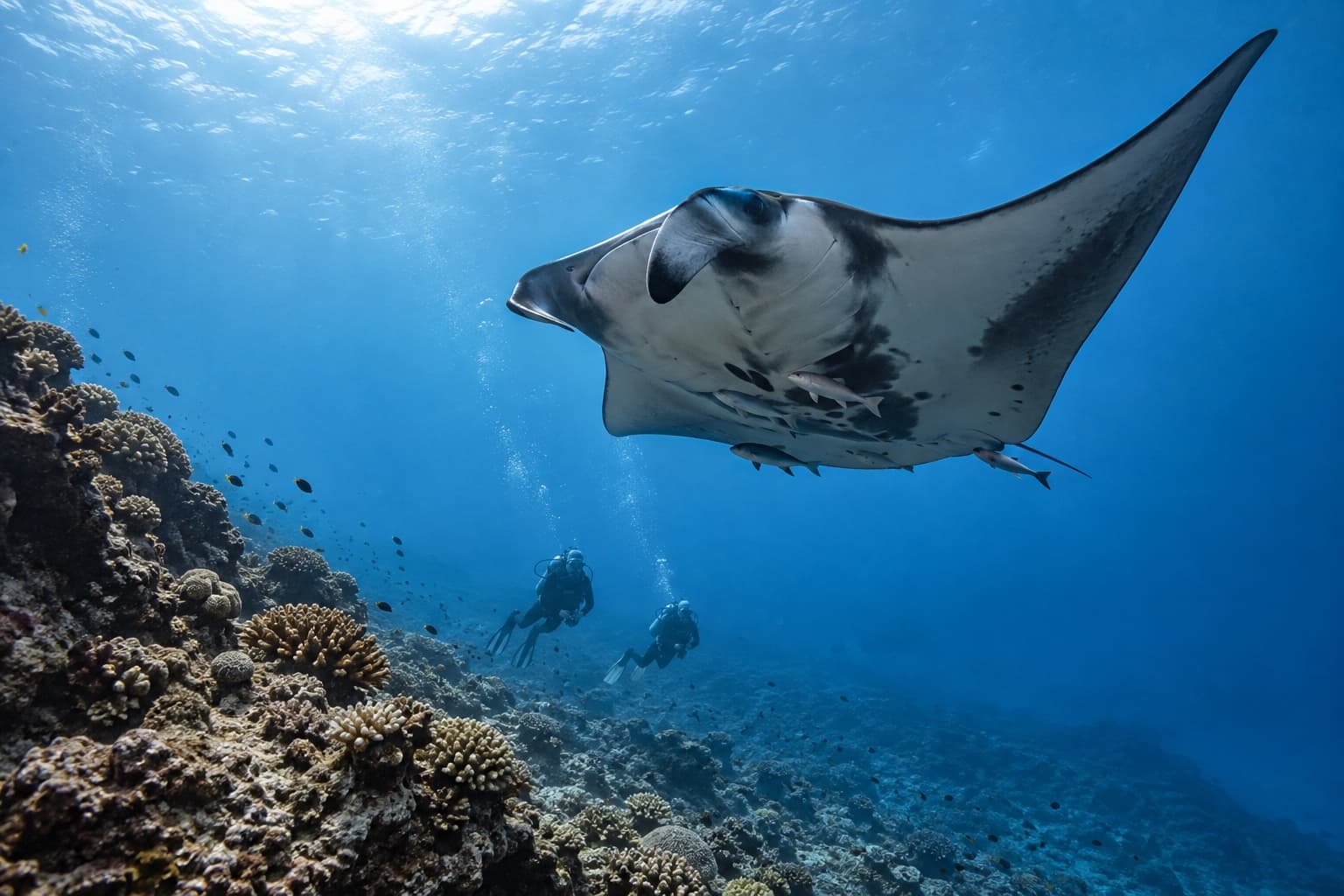 RockinghamLocal shore diving, wrecks and sheltered sites south of Perth.Busselton & DunsboroughBusselton Jetty and the HMAS Swan — two very different flagship dives in one region.Ningaloo & ExmouthA fringing reef you can swim to from the beach, plus whale sharks, mantas and the Navy Pier.Geraldton & Abrolhos IslandsRemote coral islands with extraordinary wreck history, reached by charter or flight.AlbanySouthern Ocean diving and the HMAS Perth artificial reef in cool, exposed water.EsperanceOffshore granite islands, exceptional clarity and genuine Southern Ocean exposure.
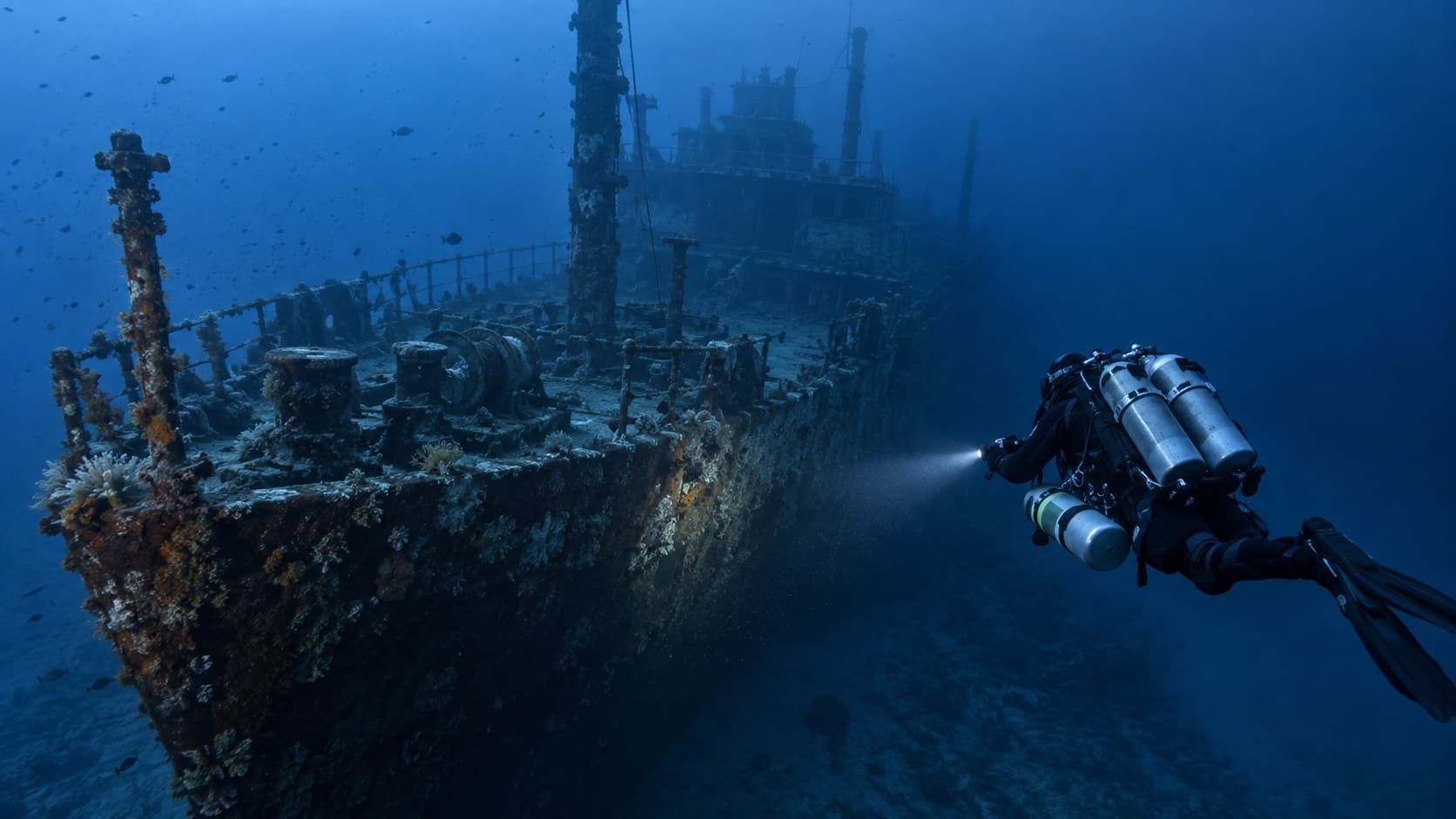 Christmas IslandRemote tropical diving with vertical drop-offs beginning metres from shore.Cocos Keeling IslandsA remote Indian Ocean atoll with clear water, reef diving and very limited services.
- Ningaloo Reef and seasonal whale shark aggregations
- Rottnest Island limestone reefs, caverns and swim-throughs
- HMAS Swan artificial wreck
- Busselton Jetty structure diving
- Abrolhos Islands coral and wreck history
- Cool Southern Ocean diving at Albany and Esperance
- Remote Indian Ocean territory diving
- Technical support concentrated in Perth
| Water temperature | Roughly 24–29°C at Ningaloo, 18–23°C around Perth and Rottnest, and 15–21°C on the south coast. |
|---|---|
| Visibility | Often excellent on offshore and tropical sites. Rottnest and Ningaloo commonly 15–30 m; southern and inshore sites more weather-dependent. |
| Season | Ningaloo whale shark season broadly runs March to August; humpback interactions extend later. Perth diving is year-round with summer sea breezes affecting afternoon conditions. Southern WA is strongly swell-dependent. |
| Regions documented | 10 |
| Businesses documented | 17 |
| Dive sites documented | 12 |
Online content routinely mixes scuba diving, snorkelling and whale-shark tours into one category. They are not the same product.
Whale-shark and manta interactions at Ningaloo are generally conducted as snorkelling encounters rather than scuba dives, for both regulatory and practical reasons. A booking described as a "dive with whale sharks" deserves a direct question about what the activity actually involves.
A destination can offer world-class diving and still not be able to fill your Trimix, test your cylinder or service your regulator.
Never assume technical services are available in remote Western Australia simply because technical diving is physically possible there. Perth is the state's main technical support hub, and gas logistics for a remote trip usually need planning weeks ahead.
- Trimix and helium availability
- oxygen for decompression gases and CCR
- technical equipment rental and stage cylinders
- sorb for rebreathers
- cylinder testing and valve servicing
- regulator servicing and spare parts
Rottnest Island and much of the Perth coastline are built on limestone, which erodes into ledges, caverns, swim-throughs and walls rather than the coral bommies of the tropics.
It produces genuinely interesting topography at recreational depth, and it is one reason Perth divers can dive locally for years without running out of new terrain.
Equipment notes for Western Australia
- A 3 mm suit is generally adequate at Ningaloo; Perth divers typically use 5 mm, and southern WA often calls for 7 mm with hood and gloves.
- Overhead-capable lighting is worth carrying for Rottnest caverns and swim-throughs even when the route is not a true overhead.
- For any remote WA trip, confirm rental sizing and specialist equipment availability before travelling rather than on arrival.
Every documented site in the state, with conditions, marine life and the operators known to service them.
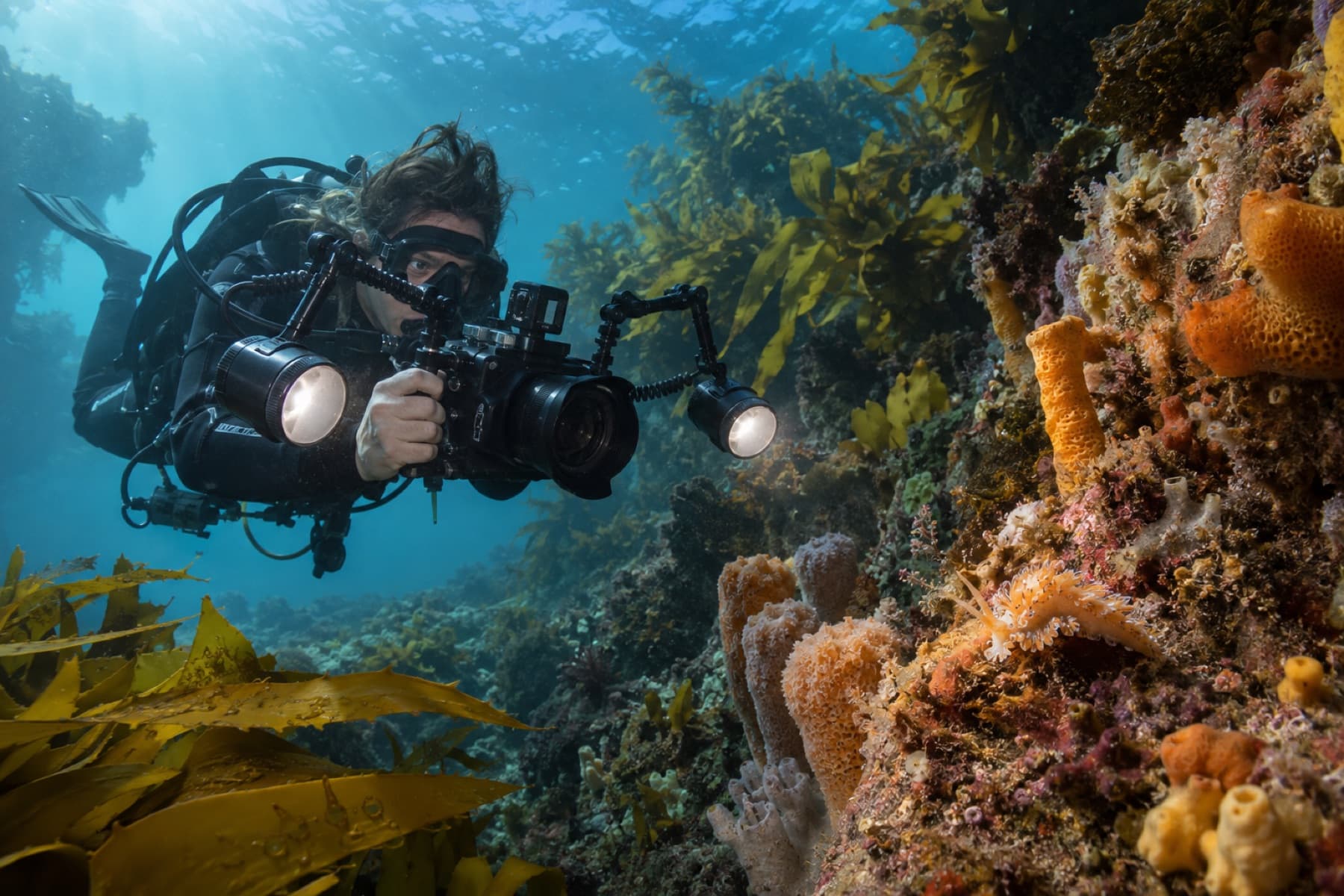 Busselton JettyCoral and sponge growth in temperate water, under one of the longest timber jetties in the world.Christmas Island WallsVertical drop-offs beginning metres from shore, on the tip of an Indian Ocean seamount.Cocos Keeling ReefsA remote Indian Ocean atoll with clear water, drift diving and very few other divers.
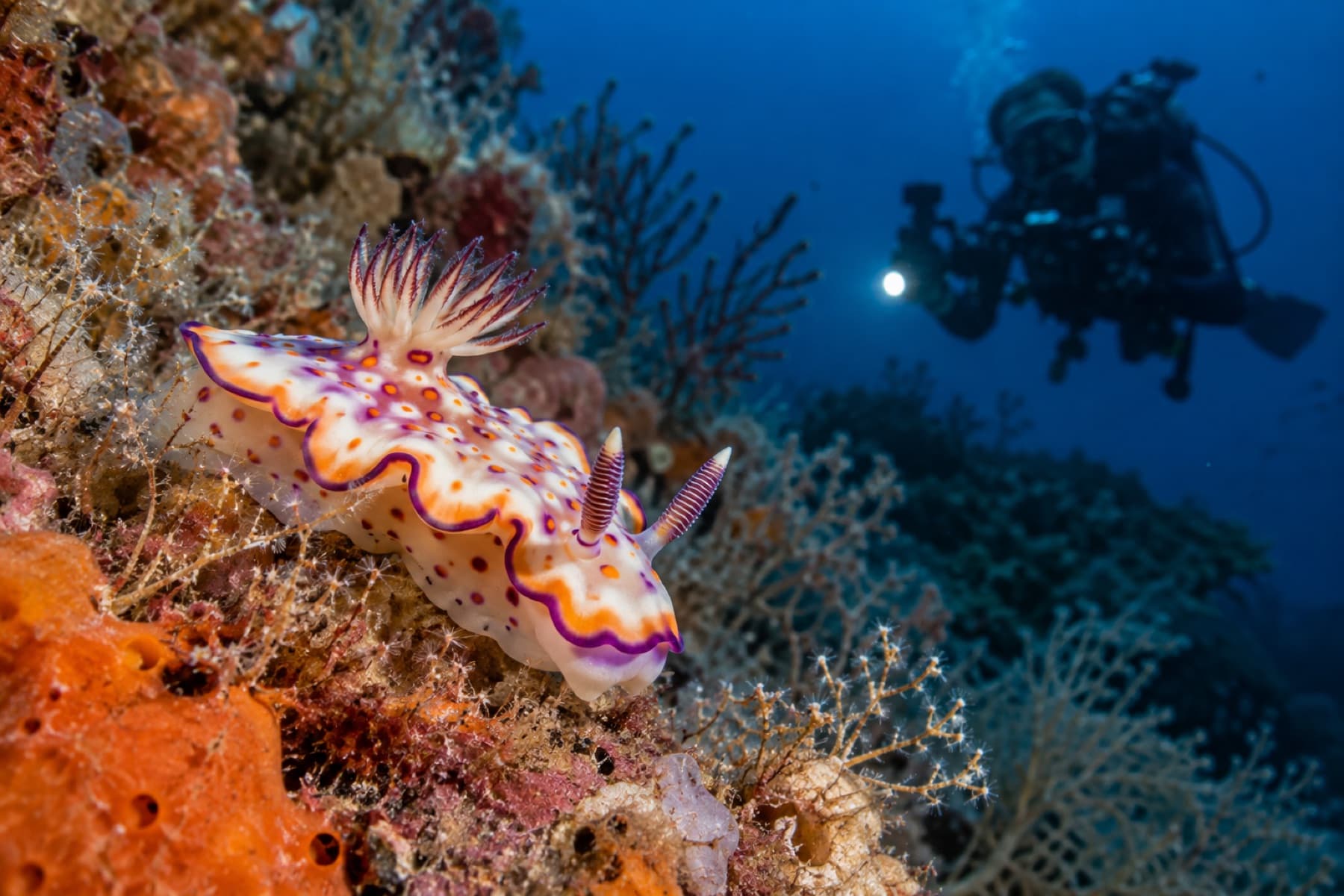 Exmouth Navy PierA structure dive with extraordinary fish density, on Defence land with controlled access.
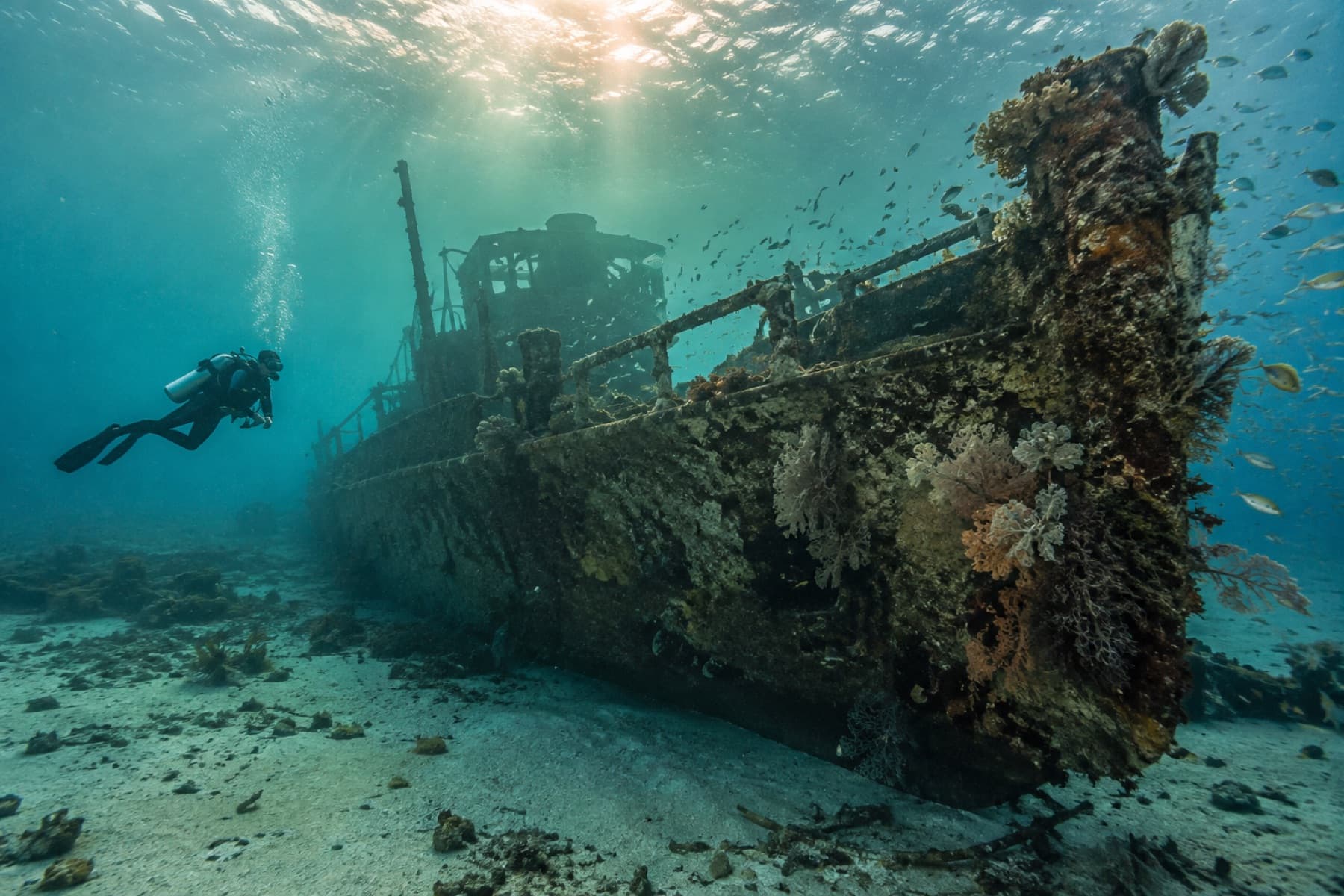 HMAS PerthA destroyer scuttled in King George Sound as Western Australia's southern artificial reef.HMAS SwanA former destroyer escort scuttled in Geographe Bay, prepared with multiple access points.Houtman Abrolhos Islands122 islands 60 km offshore, where coral grows alongside kelp and the Batavia was lost in 1629.Muiron IslandsOffshore islands north of Exmouth with coral gardens and reliable clarity.Ningaloo ReefA fringing reef close enough to shore that in places you can swim to it from the beach.Perth Metropolitan ReefsLimestone reef systems, artificial reefs and accessible shore entries along the Perth coast.Recherche ArchipelagoMore than a hundred granite islands off Esperance, with sea lions and extraordinary clarity.
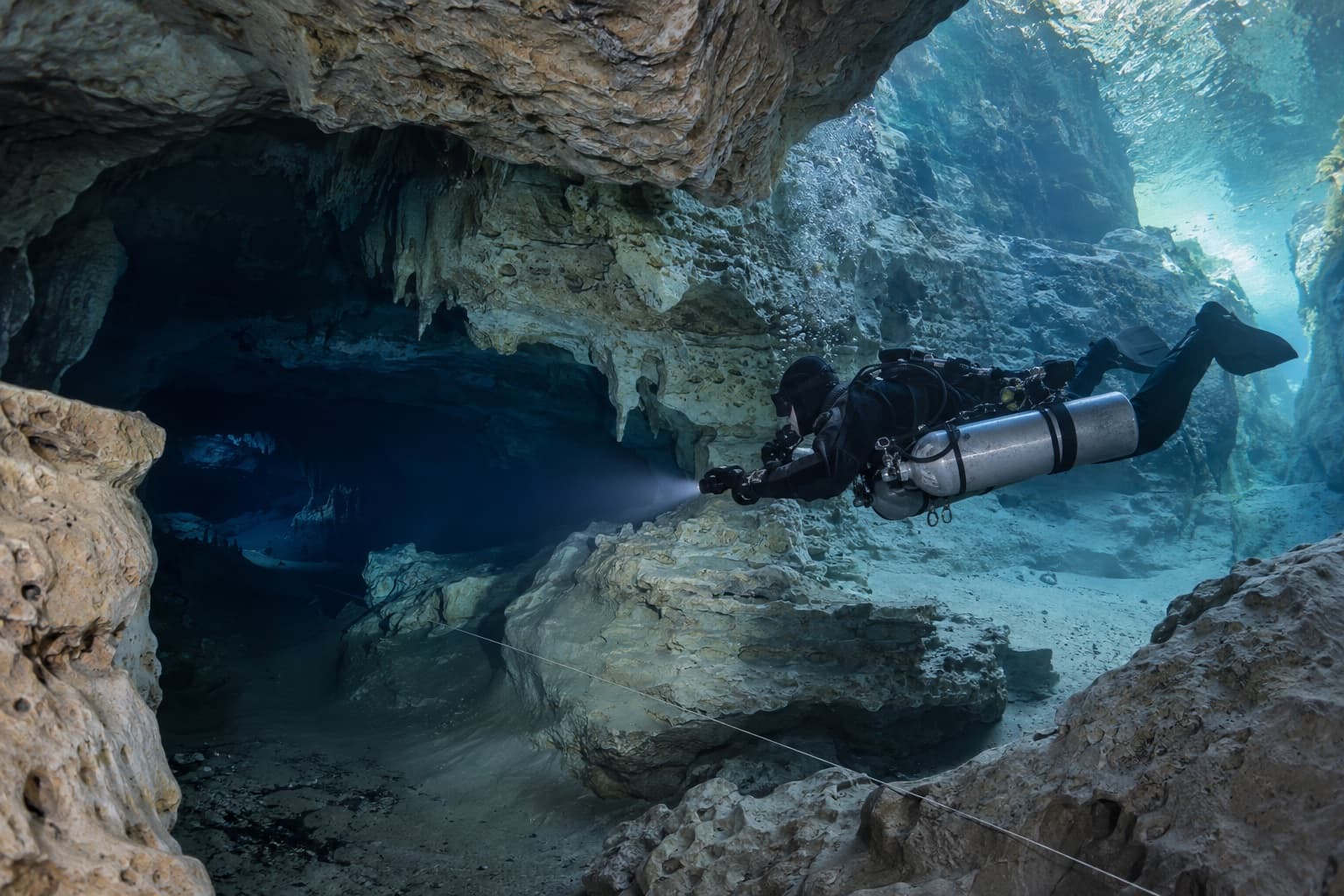 Rottnest IslandLimestone caverns, swim-throughs, ledges and walls 18 kilometres off Fremantle.
17 businesses, grouped by region. Each profile records what is verified, what is advertised and what still needs checking with the operator.
Perth
- Perth ScubaOne of the most fully documented operations in Western Australia, covering recreational, professional, technical and freediving training alongside substantial equipment facilities.
- Dolphin Scuba DivingA Perth business providing training, equipment and service support.
- ADRENO PerthAn equipment retailer with a spearfishing and freediving emphasis. Primarily retail rather than a training centre.
- Perth Diving AcademyA Perth training business serving the metropolitan recreational market.
- Dolphin Dive FremantleA Fremantle operation serving local divers, with proximity to Rottnest Island departures.
- Dive ImportsA Perth equipment business. Retail range, servicing and training availability require verification.
- Spear WestA Perth spearfishing and freediving business. This serves a different customer from a conventional scuba centre.
Ningaloo & Exmouth
- Exmouth Dive & Whalesharks NingalooAn Exmouth operation running certified scuba diving alongside whale shark and other wildlife tours. The scuba and snorkelling products are distinct and should be booked deliberately.
- Ningaloo Reef DiveA Ningaloo operation based at Coral Bay providing reef diving and training.
- Dive NingalooAn Exmouth operation focused on certified scuba diving, including Navy Pier access.
- Ningaloo Blue DiveAn Exmouth operation running diving alongside wildlife tours. Product categories should be checked before booking.
- Sail NingalooA multi-day sailing and diving operation on Ningaloo Reef, offering a liveaboard-style format.
Frequently asked questions
Can I scuba dive with whale sharks at Ningaloo?
Whale shark interactions at Ningaloo are generally run as snorkelling encounters, not scuba dives. Operators offer separate certified scuba diving on the reef. Check exactly which product you are booking.
Is Rottnest Island worth a dedicated dive trip?
For most Perth divers, yes. The limestone geology produces reefs, caverns, swim-throughs, walls and ledges within reasonable boat range, and the diving is distinct from mainland shore sites.
Where can I get Trimix in Western Australia?
Technical gas support is concentrated around Perth. Availability elsewhere should be confirmed directly and well in advance, and helium supply should always be treated as time sensitive.
How cold is diving in southern WA?
Albany and Esperance face the Southern Ocean and are considerably cooler than Perth, commonly 15–21°C. Exposure protection, weather windows and swell exposure all need more planning than metropolitan diving.
Are Christmas Island and Cocos realistic dive destinations?
Yes, but they are remote-destination trips rather than weekend diving. Flights, accommodation, equipment availability and medical evacuation distance all need planning well ahead.