Western Australia
Rottnest Island
Limestone caverns, swim-throughs, ledges and walls within reach of a Perth day trip.
Rottnest should have its own dive guide rather than being treated as a Perth add-on. The island's limestone geology creates reefs, caverns, swim-throughs, walls and ledges that are genuinely distinct from mainland diving.
The island sits about 18 kilometres off Fremantle and is reached by ferry or by dedicated dive charter, and the choice between those two access methods substantially changes the trip.
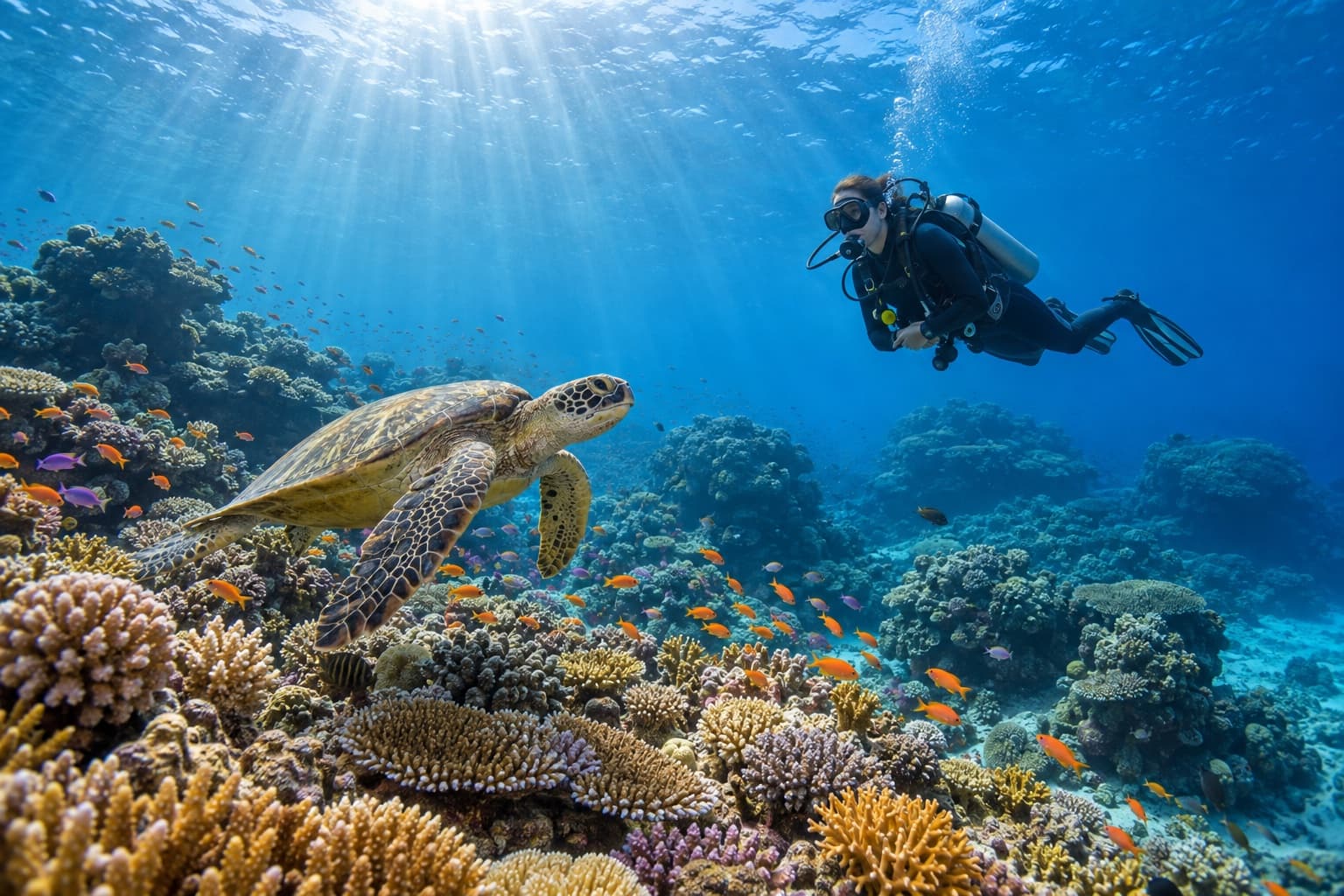
Marine life includes a warm-temperate mix influenced by the Leeuwin Current, which brings tropical species further south than the latitude would suggest.
| Water temperature | Roughly 18–23°C. |
|---|---|
| Visibility | Often 15–30 m. |
| Season | Year-round, with summer generally offering the most settled conditions and warmest water. |
| Diving types | Reef, Cavern, Swim-through, Wall, Island |
| Businesses documented | 0 |
| Dive sites documented | 1 |
Taking the ferry and diving independently is cheaper and more flexible, but limits which sites are reachable and requires managing your own equipment and cylinders on the island.
A dedicated dive charter reaches better sites, handles cylinders and gas, and typically fits more diving into a day. A good Rottnest guide should explain the trade-off rather than assume one is correct.
- ferry access versus dedicated dive charter
- realistic dive duration and number of dives
- marine life and seasonal variation
- expected depth range by site
- current, which varies considerably around the island
- water temperature and suitable exposure protection
- equipment and cylinder logistics
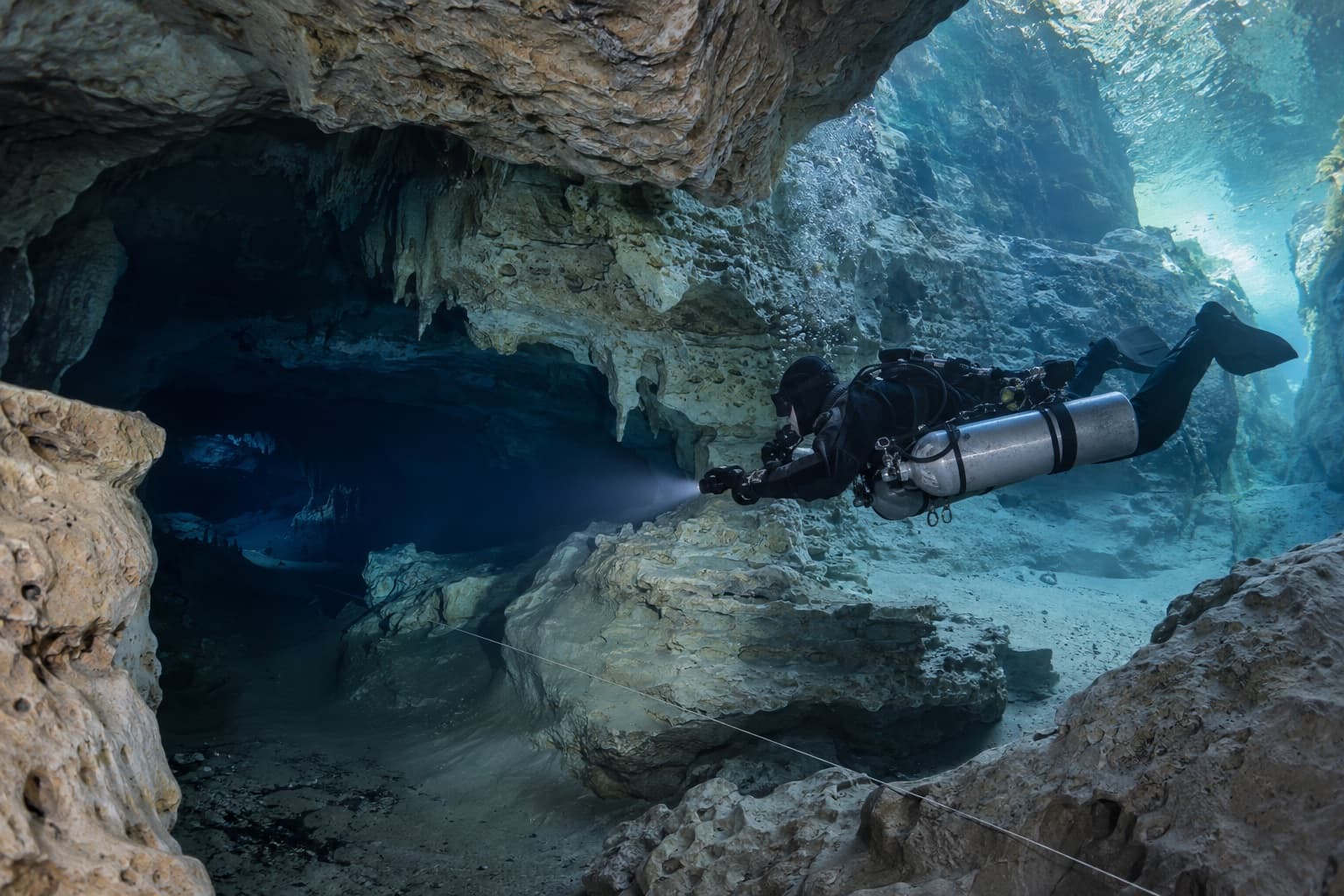
Rottnest's swim-throughs and caverns are a highlight, and most are short, well-lit passages rather than true overhead environments.
That said, carrying adequate lighting and treating any overhead route with respect is sensible. The distinction between a swim-through and a cave is about route length, light and whether a direct ascent remains available.
Before you book
Capabilities and requirements change. Read how to choose a dive centre for what to actually evaluate, and confirm certification requirements, equipment hire and conditions directly with the operator before travelling.