Lord Howe Island dive centres
The world's southernmost coral reef, 600 km offshore, mixing tropical, subtropical and temperate marine life.
Lord Howe Island deserves its own destination hub rather than being hidden inside a generic New South Wales directory. Administratively it is part of NSW; practically, it is an isolated oceanic island 600 kilometres off the east coast with an ecology that exists nowhere else.
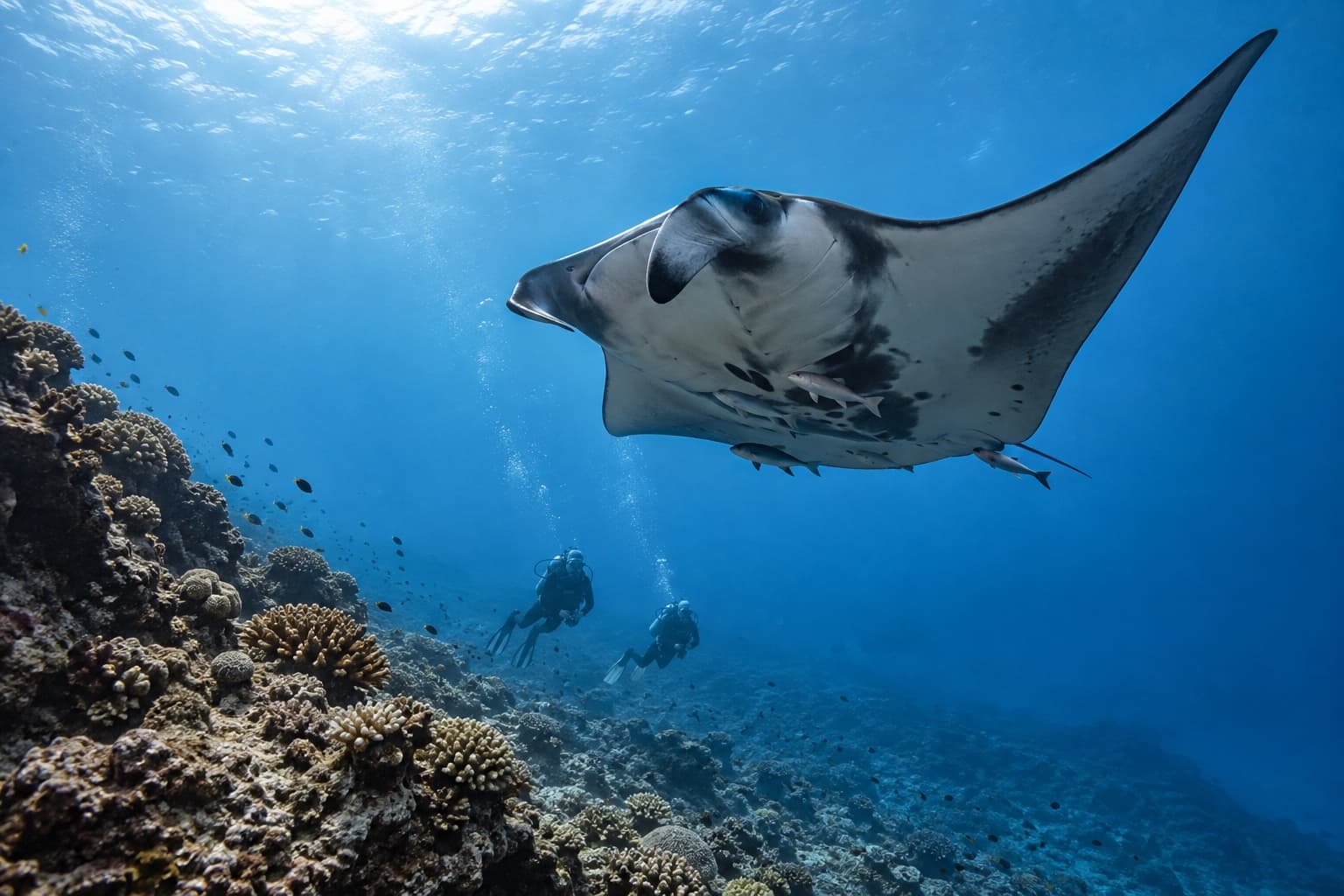
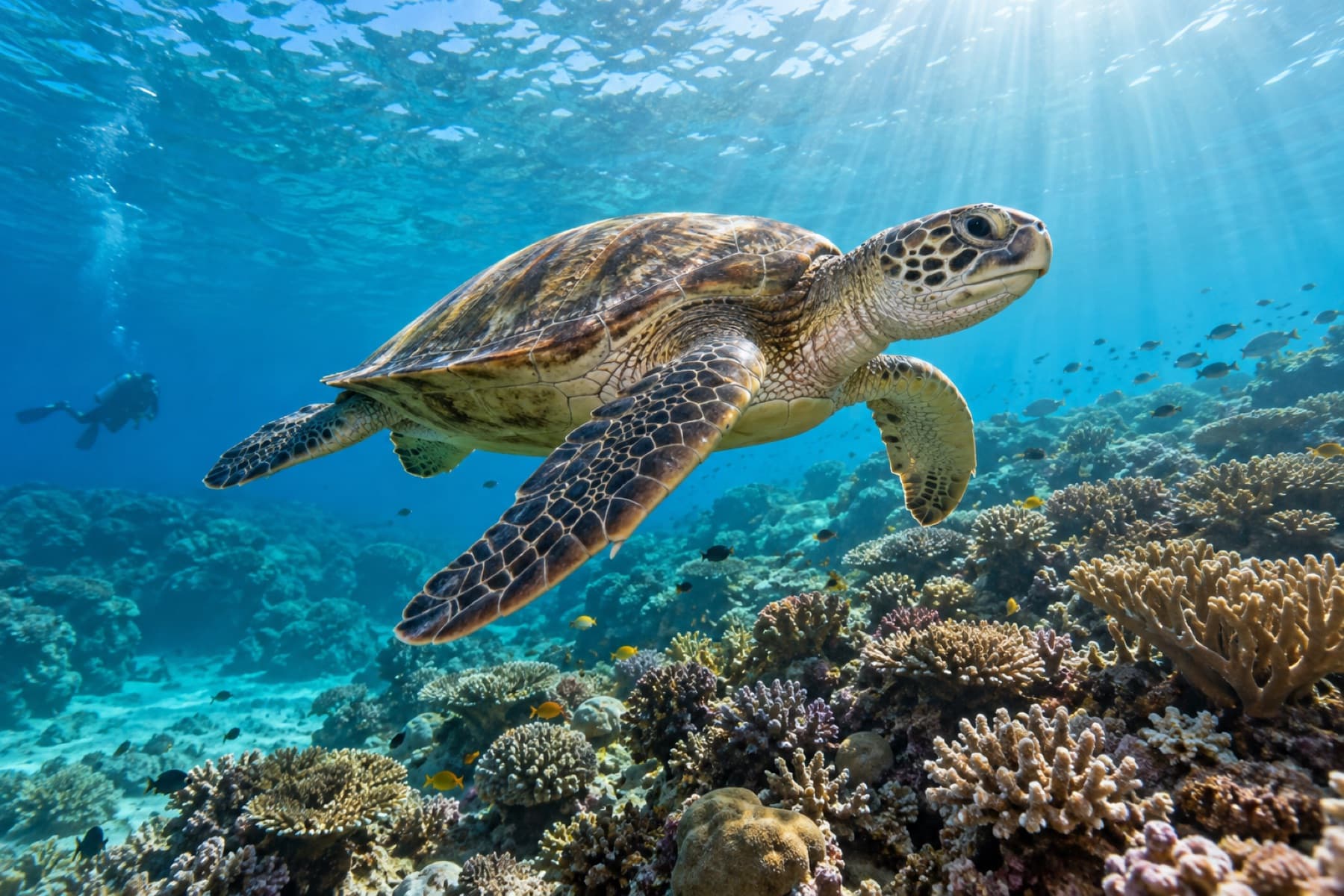
Official Lord Howe Island information describes more than 90 coral species and approximately 500 fish species. The reef is among the world's southernmost coral reef systems, which is precisely what makes it unusual — tropical corals growing at a latitude that should be too cold for them.
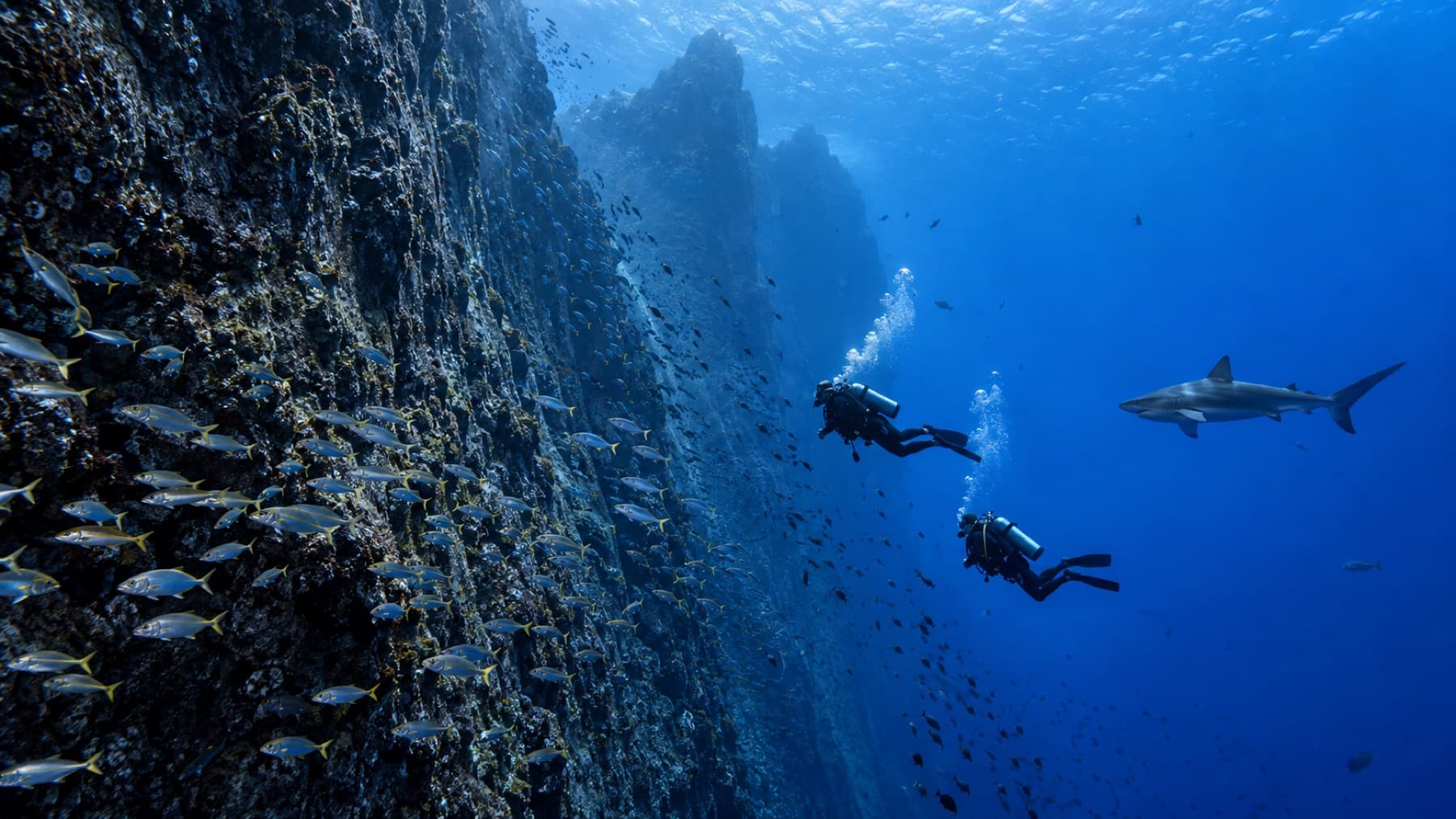
The result is a genuine crossover environment where tropical, subtropical and temperate species occur together, often on the same dive. Divers regularly see reef fish alongside species associated with much cooler water.
Access is deliberately limited. Visitor numbers to the island are capped, which keeps dive sites uncrowded in a way that is increasingly rare.
Lord Howe Island is organised by region because conditions, marine life and the kind of business that survives locally vary enormously within the state.
- World's southernmost coral reef system
- More than 90 coral species and around 500 fish species
- More than 50 recorded dive sites
- Ball's Pyramid, the world's tallest sea stack
- Sheltered lagoon suitable for training
- Volcanic pinnacles, trenches, caves and drop-offs
- Endemic and crossover species
- Capped visitor numbers and uncrowded sites
| Water temperature | Roughly 19–26°C depending on season, warmest in late summer. |
|---|---|
| Visibility | Approximately 20–40 m outside the lagoon in summer and around 10 m inside it, and roughly 15–20 m outside the lagoon in winter. Visibility can occasionally reach around 70 m, with an average closer to 30 m during the main operating season. |
| Season | Main dive operations emphasise the September to May period, which generally offers more stable conditions. |
| Regions documented | 1 |
| Businesses documented | 1 |
| Dive sites documented | 3 |
The lagoon is generally shallower and sheltered, which makes it suitable for training and easy diving. The Admiralty Islands offer volcanic formations, walls, pinnacles and deeper profiles. The outer reefs provide clear water and reef diving.
Ball's Pyramid is a separate proposition again — remote, exposed and best suited to appropriately experienced divers.
Ball's Pyramid lies approximately 26 kilometres south of Lord Howe Island. Official Lord Howe information describes it as the world's tallest sea stack and recommends Advanced certification for the major dive experience.
The attraction is large pelagic activity: kingfish, amberjack, trevally, rainbow runners, wahoo, dolphins and substantial fish schools. One particularly unusual attraction is the Ballina angelfish, normally associated with much deeper water but reported at recreational depths here.
Weather determines whether the trip runs at all. It is exposed open ocean and should be treated as a bonus rather than a guaranteed itinerary item.
Six hundred kilometres of open ocean is what produces the endemism and the uncrowded sites. It is also what makes equipment availability, medical support and flight logistics worth planning around.
Confirm rental sizing, cylinder availability and any specialist requirements before flying rather than on arrival.
Equipment notes for Lord Howe Island
- A 3 mm suit suits summer; 5 mm is more comfortable in winter and for repeat dives.
- Confirm rental equipment availability and sizing in advance given the island's isolation.
- Bring your own computer and mask if you have them — replacements are not available locally.
Every documented site in the state, with conditions, marine life and the operators known to service them.
1 businesses, grouped by region. Each profile records what is verified, what is advertised and what still needs checking with the operator.
Frequently asked questions
How good is the visibility at Lord Howe Island?
Outside the lagoon it is commonly 20–40 m in summer and 15–20 m in winter, with an average around 30 m in the main season. Inside the lagoon it is typically around 10 m in summer.
Can beginners dive at Lord Howe Island?
Yes. The sheltered lagoon provides suitable training environments, and entry-level and introductory diving are available on the island.
Do I need Advanced certification for Ball's Pyramid?
Official Lord Howe information recommends Advanced certification for the major Ball's Pyramid dive experience. The trip is also weather-dependent and does not run every day.
When is the best time to dive Lord Howe Island?
Main operations emphasise September to May. Late summer typically brings the warmest water and best visibility outside the lagoon.