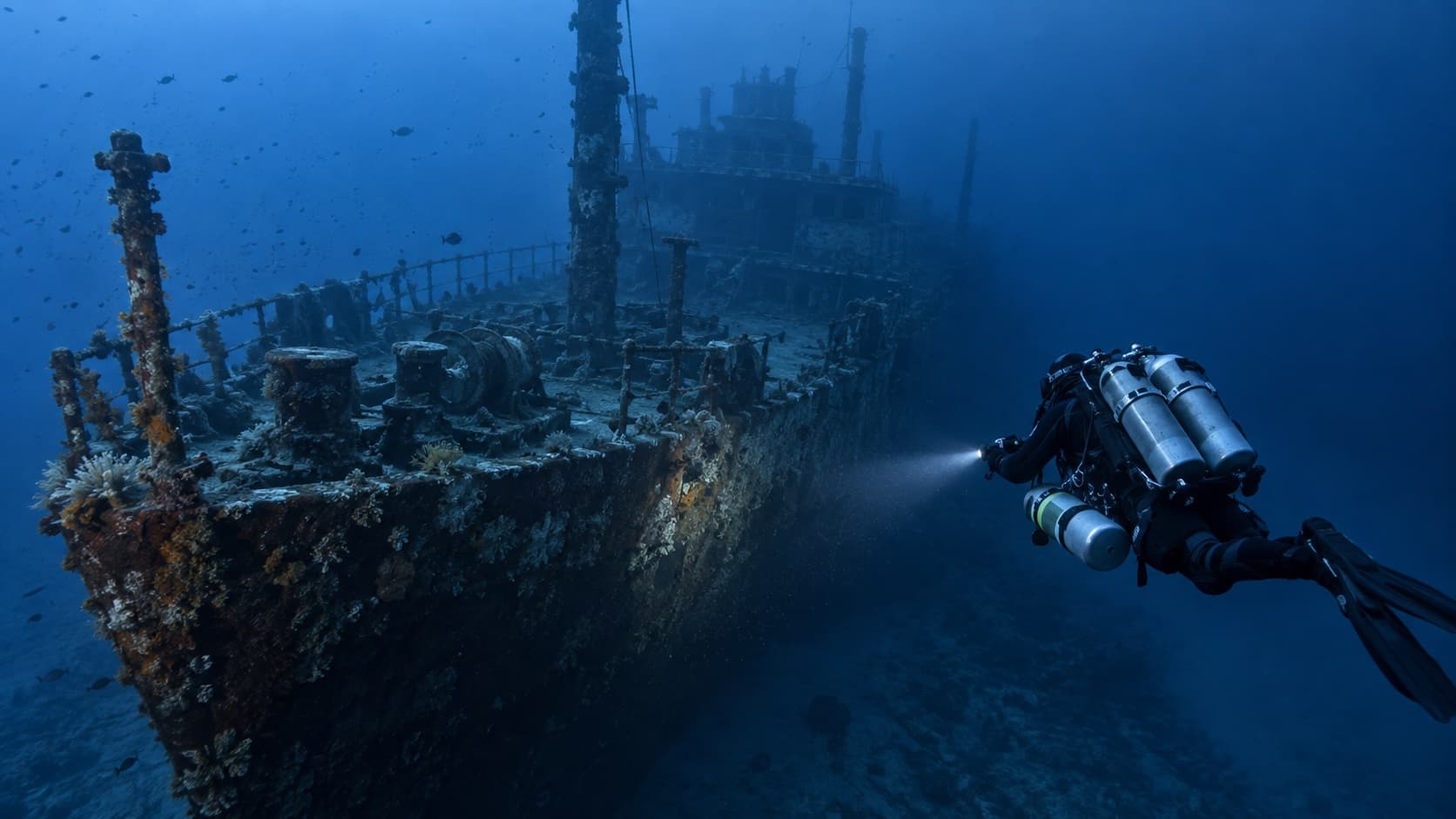
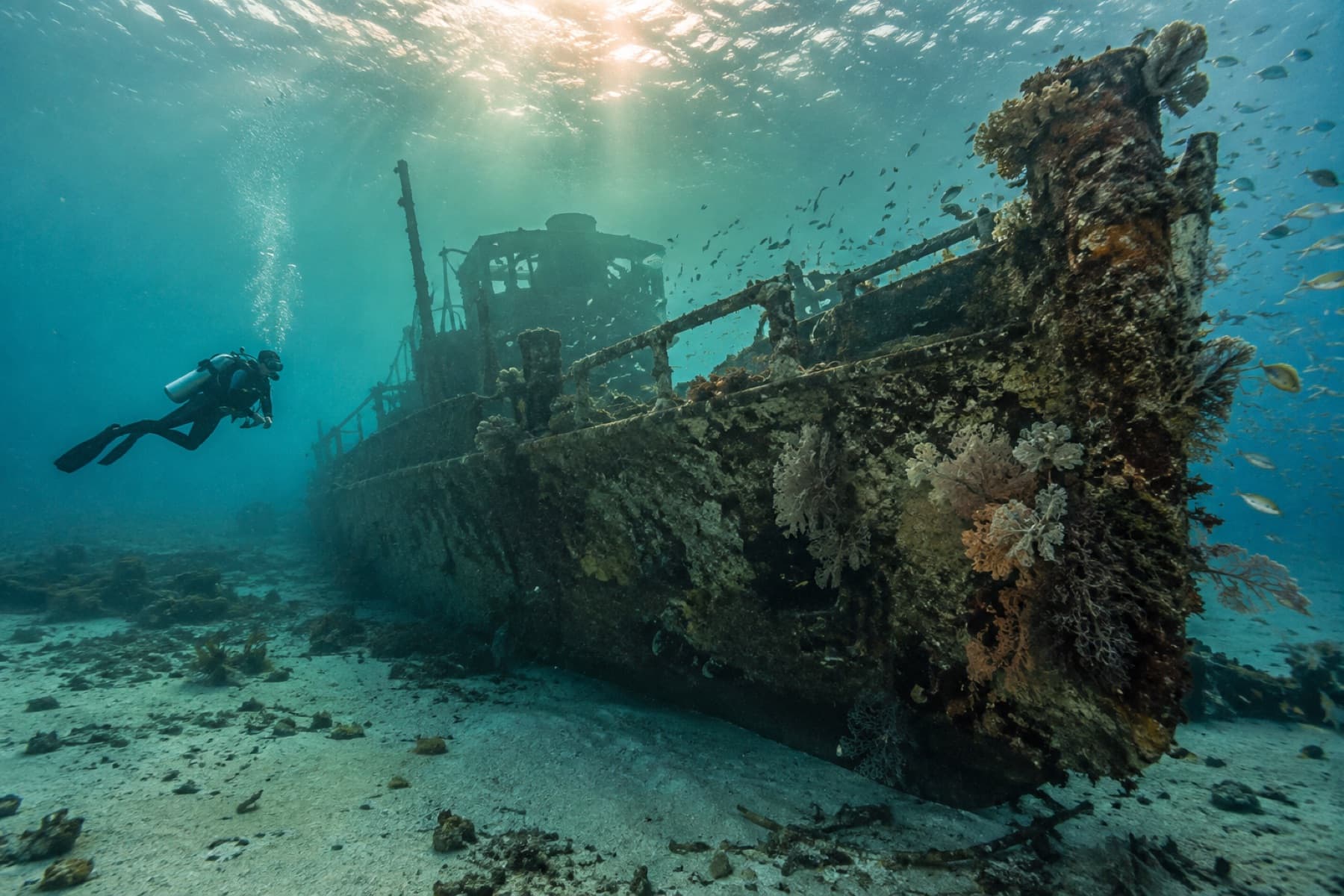
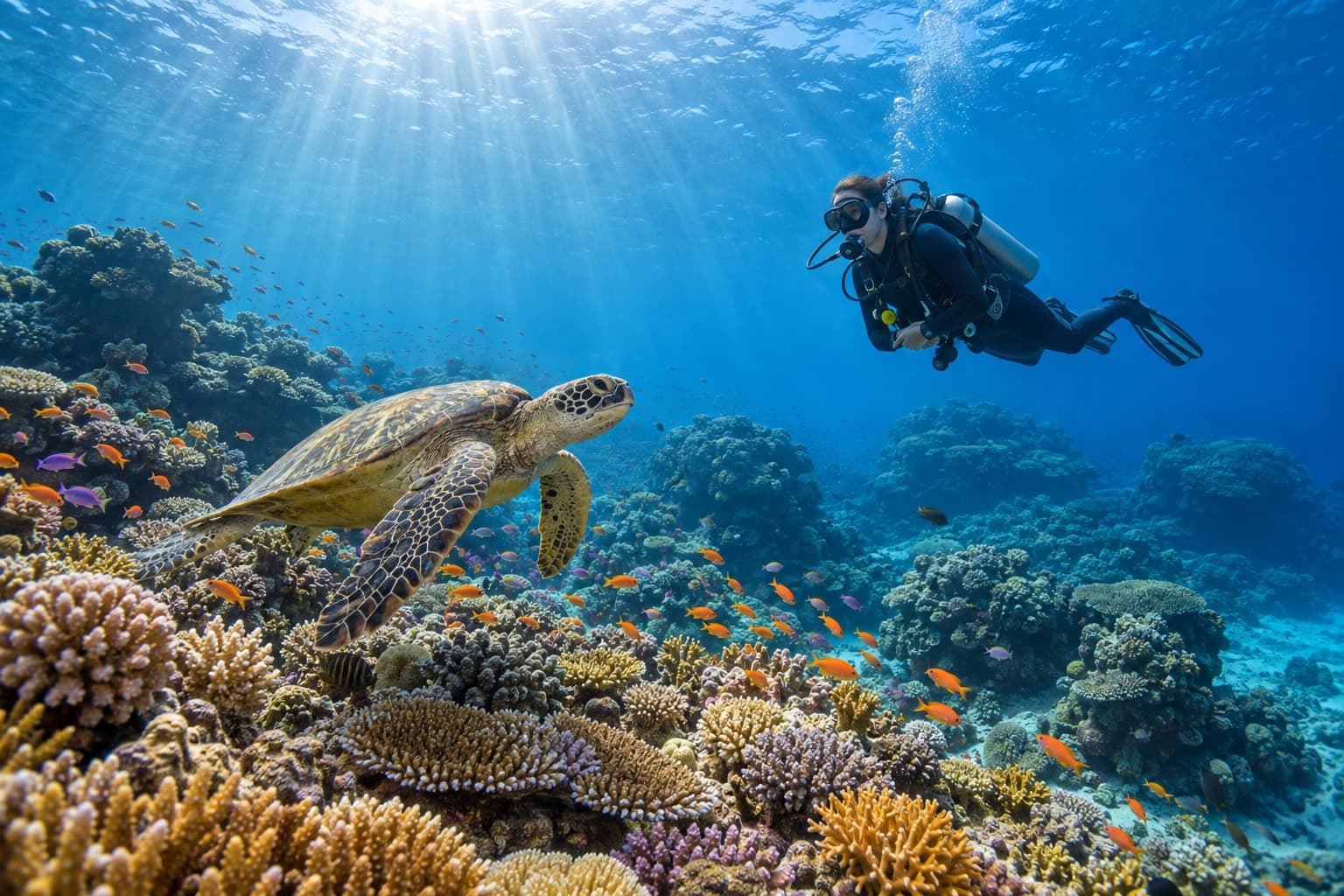
Australia's largest tropical dive-tourism market, plus a substantial resident diving population around Brisbane and the Gold Coast.
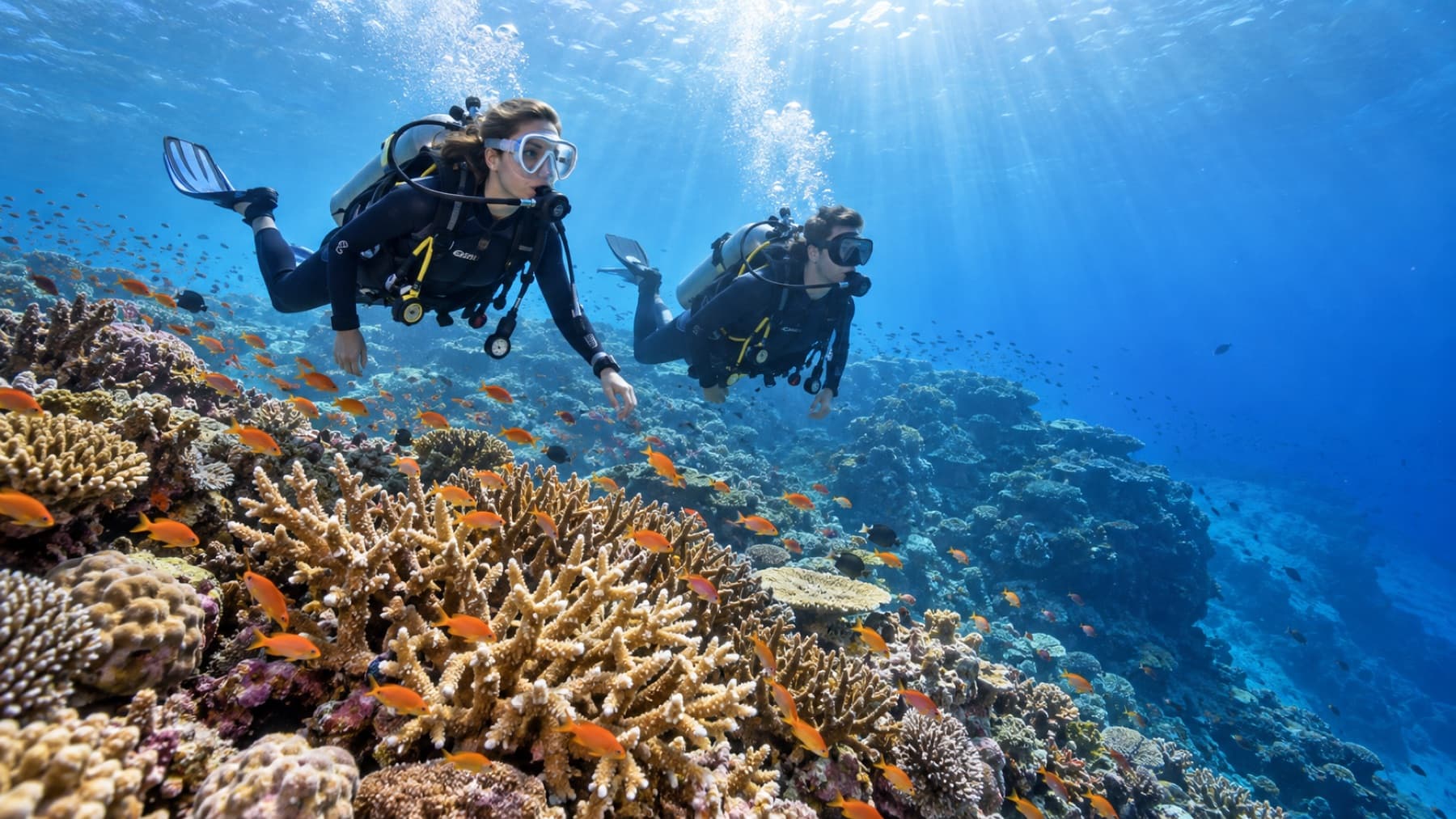
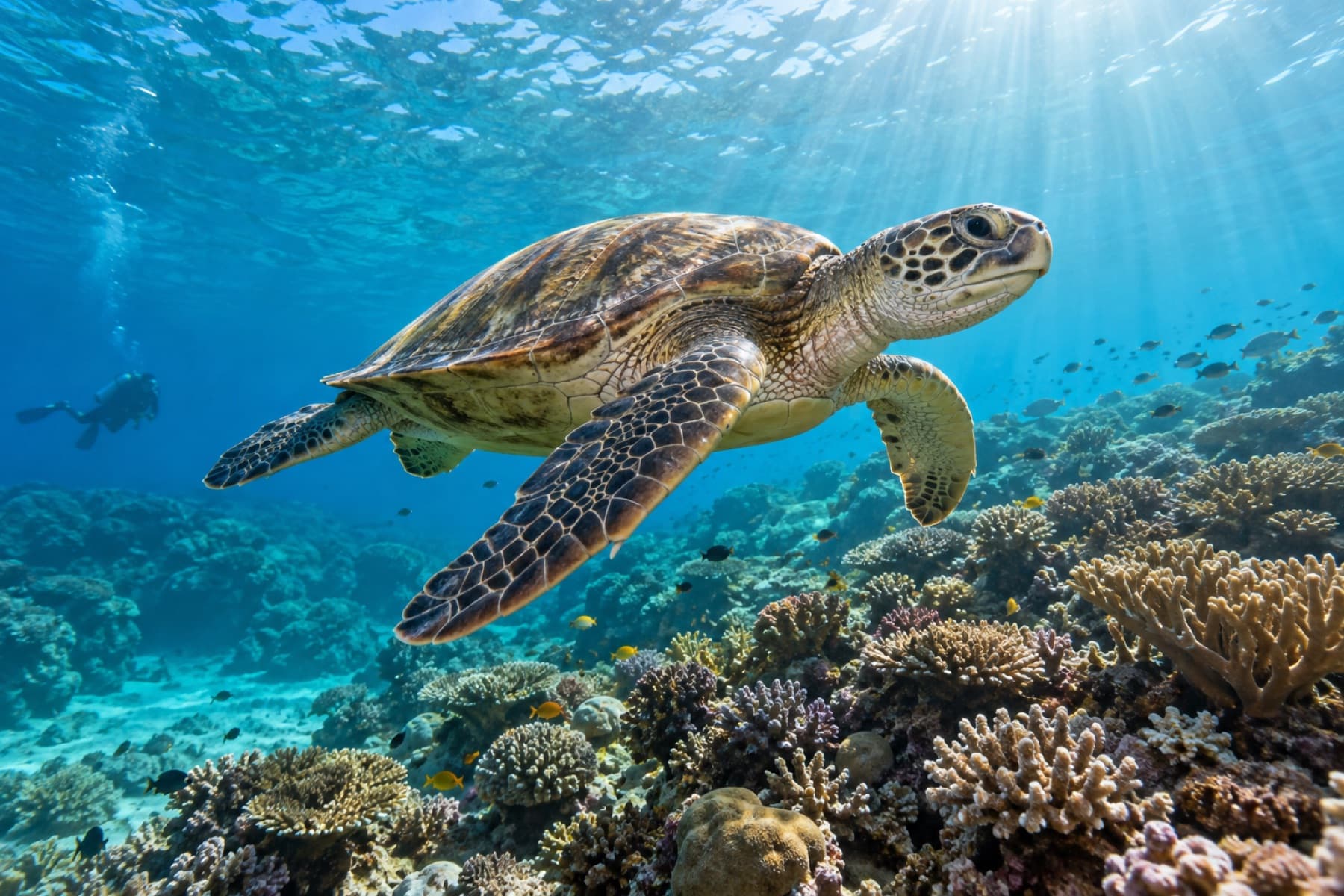
Queensland reef diving, represented by an AI-generated editorial image.
Queensland has Australia's largest tropical dive-tourism market, but it should not be treated as one single diving destination. The state spans roughly 2,000 kilometres of coastline and the diving at either end has almost nothing in common.
Diving from Cairns is different from diving the SS Yongala. Wolf Rock is different from an introductory Great Barrier Reef dive. A Brisbane-based local diver has completely different needs from an international traveller booking a three-day liveaboard.
Water temperature
Roughly 22–29°C in the tropical north, cooling to about 19–26°C in the southeast.
Visibility
Outer reef sites commonly 15–30 m and occasionally more; inshore and harbour sites considerably less and strongly weather-dependent.
Season
Diveable year-round. Stinger season broadly runs November to May in tropical waters and suits are standard. Winter often brings the most settled visibility in the southeast.
Sites documented
24
How to plan diving in Queensland dive sites
Choose the experience
Start with the diving, not the logo
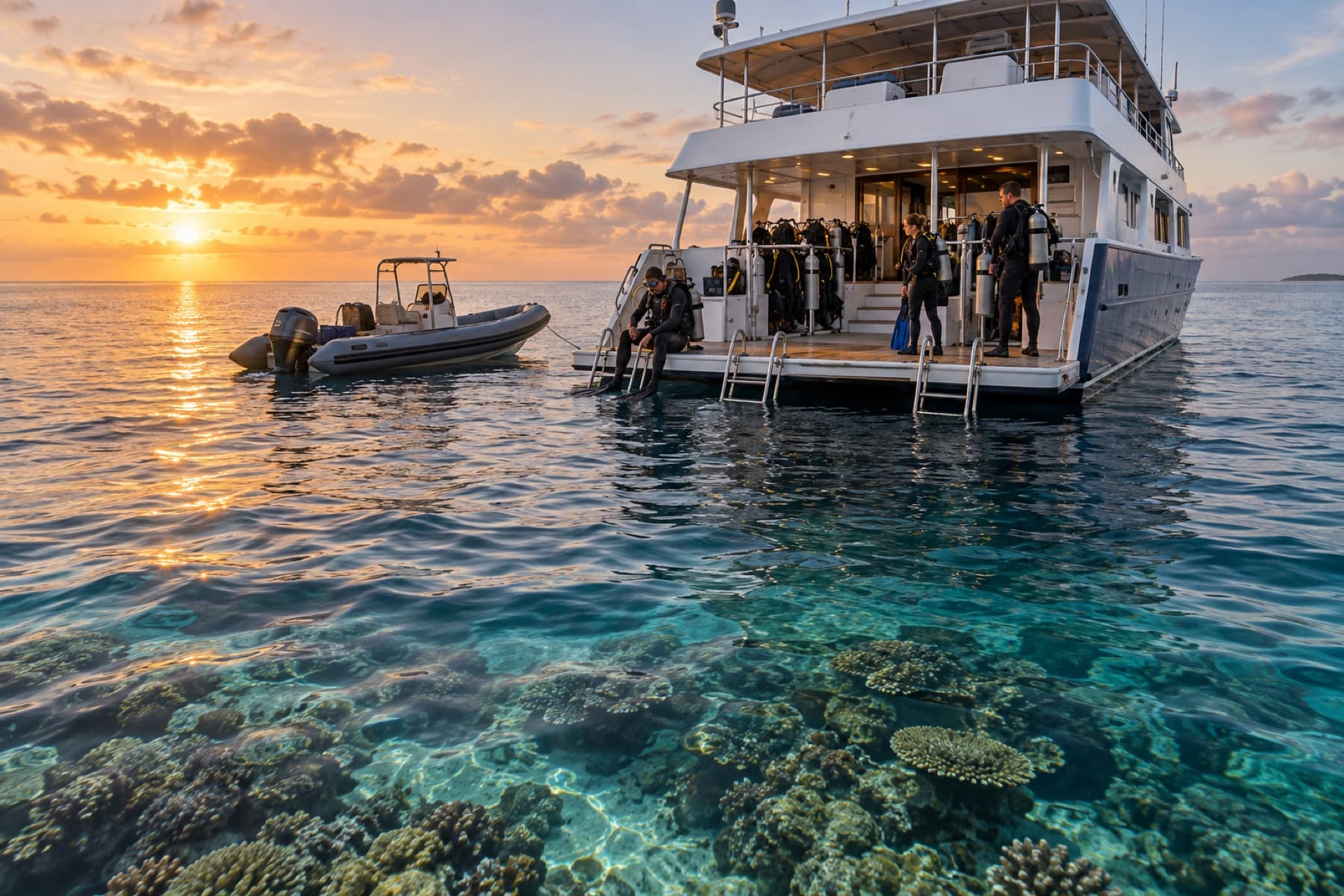
Queensland dive sites is documented for Great Barrier Reef day boats and liveaboards, Coral reef and coral cay diving, significant wreck diving, including the SS Yongala, shark diving at Wolf Rock and Moreton Bay sites and resort-based diving on island destinations. Compare operators by the sites, schedule, group model and support your planned dives require.
Time the visit
Use the conditions together
Diveable year-round. Stinger season broadly runs November to May in tropical waters and suits are standard. Winter often brings the most settled visibility in the southeast. Visibility: Outer reef sites commonly 15–30 m and occasionally more; inshore and harbour sites considerably less and strongly weather-dependent.
Build the shortlist
Compare documented options
This guide connects 50 documented businesses and 24 dive sites. Read the individual profiles, then verify availability and suitability with the operator.