Choose the experience
Start with the diving, not the logo
North Stradbroke Island is documented for shark diving, manta rays and offshore reef. Compare operators by the sites, schedule, group model and support your planned dives require.
Queensland
Seasonal big-animal diving at Flat Rock and Shag Rock, with accommodation-based operations on the island.
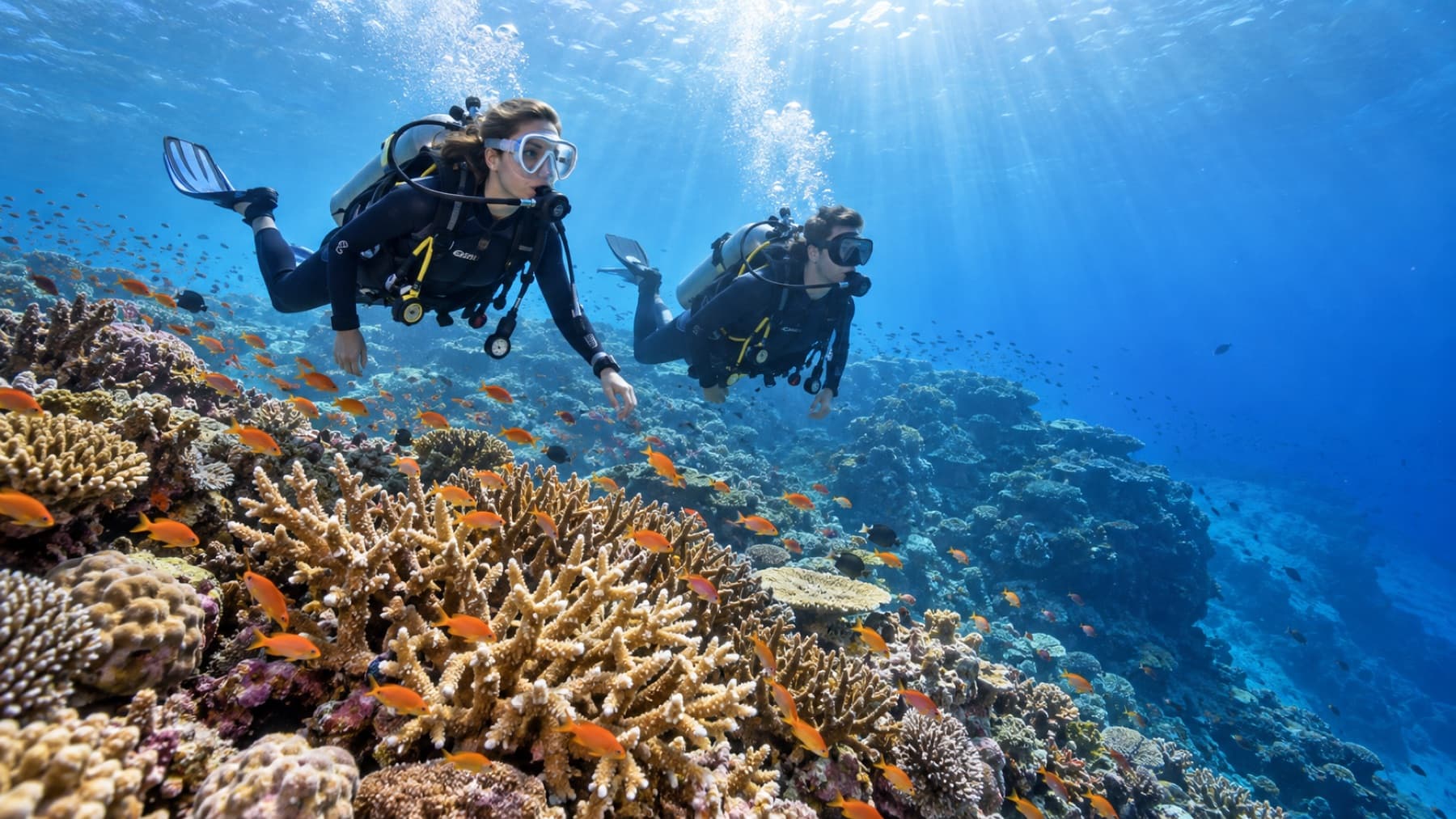
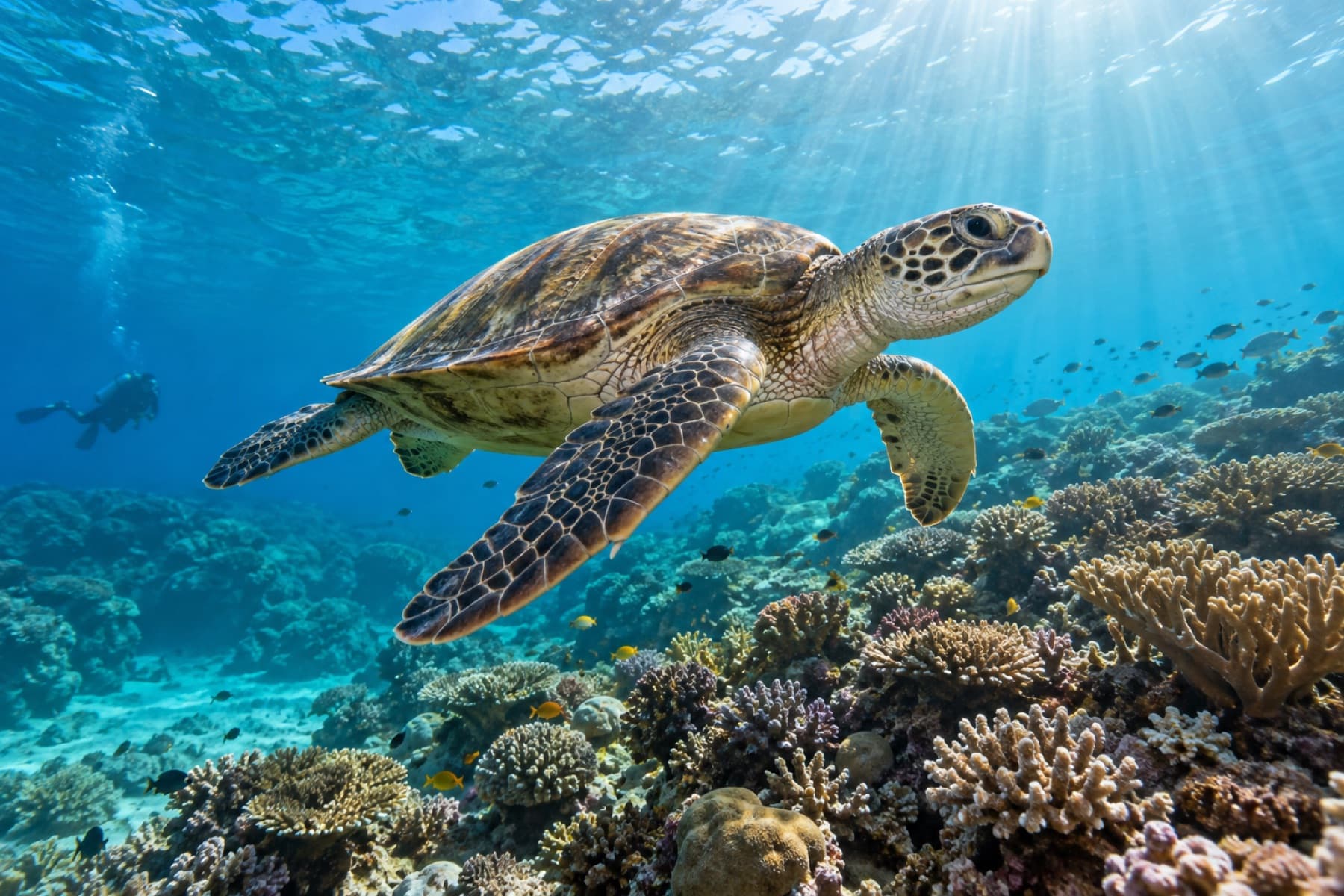
North Stradbroke deserves its own destination page rather than being folded into Brisbane. The island is known for changing seasonal marine life and can provide encounters with turtles, rays, sharks and other pelagics.
Flat Rock and Shag Rock are the headline sites — offshore rock formations that concentrate marine life, including grey nurse sharks in the cooler months and manta rays through summer.
An operation combining accommodation and diving is structurally different from a suburban training centre. It serves visiting divers on multi-day trips rather than locals fitting dives around work.
| Water temperature | Roughly 19–26°C. |
|---|---|
| Visibility | Commonly 10–25 m offshore, weather-dependent. |
| Season | Manta rays broadly summer; grey nurse sharks more associated with cooler months; whale migration roughly June to November. |
| Diving types | Shark diving, Manta rays, Offshore reef |
| Businesses documented | 1 |
| Dive sites documented | 2 |
Choose the experience
North Stradbroke Island is documented for shark diving, manta rays and offshore reef. Compare operators by the sites, schedule, group model and support your planned dives require.
Time the visit
Manta rays broadly summer; grey nurse sharks more associated with cooler months; whale migration roughly June to November. Visibility: Commonly 10–25 m offshore, weather-dependent.
Build the shortlist
This guide connects 1 documented business and 2 dive sites. Read the individual profiles, then verify availability and suitability with the operator.
Useful next reads: interpreting dive conditions, exposure protection and the Australian packing list.
Straddie is a strongly seasonal destination. Manta rays are associated with the warmer months, grey nurse sharks with the cooler ones, and humpback whales pass through on migration.
Choosing dates without knowing what you want to see is the most common way divers end up disappointed here.
Each profile separates what is verified from what is advertised, and lists the questions still worth asking the operator directly.
Use these guides to match the region to the right season, experience level and style of diving.
Before you book
Capabilities and requirements change. Read how to choose a dive centre for what to actually evaluate, and confirm certification requirements, equipment hire and conditions directly with the operator before travelling.
Manta rays broadly summer; grey nurse sharks more associated with cooler months; whale migration roughly June to November.
Water temperature: Roughly 19–26°C.. Visibility: Commonly 10–25 m offshore, weather-dependent.. These are planning ranges rather than guarantees for a particular dive.
This directory currently connects 1 business with 2 documented dive sites. Read individual profiles because training, boats, equipment and gas services differ.
Beginner training or beginner-classified sites are documented in the region. Suitability still depends on the exact site, weather, supervision and the diver's comfort on the day.
Match the operator to the intended site and support required. Compare current schedule, group size, guiding, equipment, cancellation terms and how the operation assesses recent experience.