Independent research directory
Find your next
Australian dive.
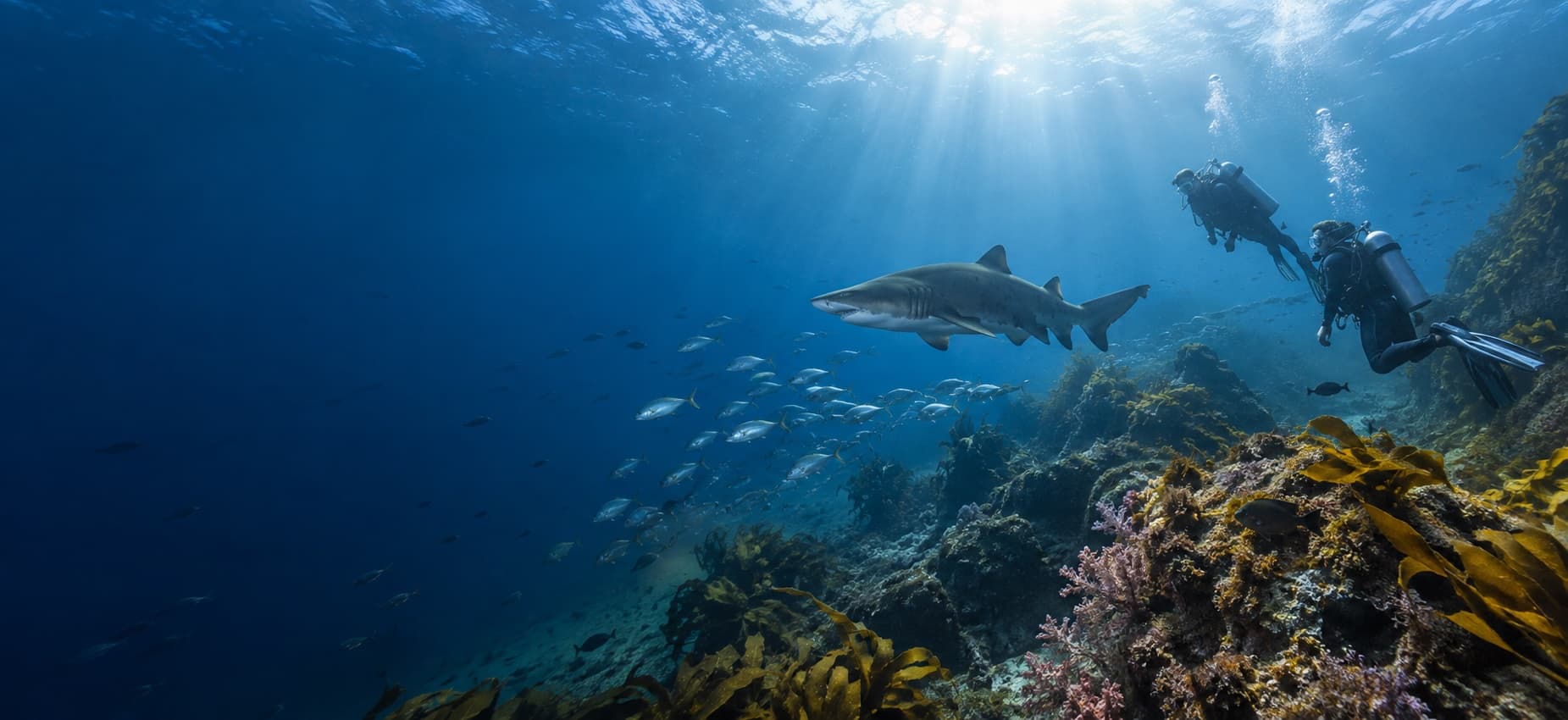
Explore dive centres, dive sites and courses across Australia. Find the right people and places for your next underwater adventure.
Meet Divy,
your dive buddy.
Find a dive centre
Search 137 Australian dive centres
Type a town or business, then narrow by state, training agency or what they offer — their own boat, courses, Nitrox or technical training.
137 dive centres across Australia
Dive centres in the directory
 Adelaide Scuba
 Adrenalin Snorkel & Dive
 Aqua Dive Gold Coast
 Blue Bay Divers
 Blue Dive Port Douglas
 Calypso Star Charters
 Coral Sea Dreaming
 Dive Centre Manly
 Dive Eden
 Divers Den
 Diving Adelaide
 Dolphin Scuba Diving
 Dreamtime Dive & Snorkel
 Eaglehawk Dive Centre
 Extra Divers Christmas Island
 Fish Rock Dive Centre
 Geo Divers
 Jetty Dive Centre
 Manta Lodge & Scuba Centre
 Merimbula Divers Lodge
 Perth Scuba
 Pleasure Divers Magnetic Island
 Pro Dive Brookvale
 Pro Dive Cairns
 Sea the Gold Coast
 Shellharbour Scuba
 South West Rocks Dive Centre
 Spirit of Freedom
 Sunreef Mooloolaba
 The Dive Shack
 The Scuba Doctor
 Underwater Safaris Narooma
 Wolf Rock Dive Centre
 Wooli Dive Centre
 Yongala Dive
Four ways in
Find Australian Dive Centres, Sites, Courses and Services
Find a dive centre
137 businesses across 50 regions, recorded by what they actually do — not by which agency logo is on the door.
Browse by stateFind somewhere to dive
82 sites with depth, current, visibility, marine life, hazards and the operators who dive them.
Browse dive sitesUnderstand the training
What each certification teaches, what it permits, what it is called by each agency, and where it genuinely changes what you can dive.
Course guideResearch technical diving
Decompression, Trimix, rebreathers and cave diving get their own section, because a centre teaching Nitrox is not a technical facility.
Technical diving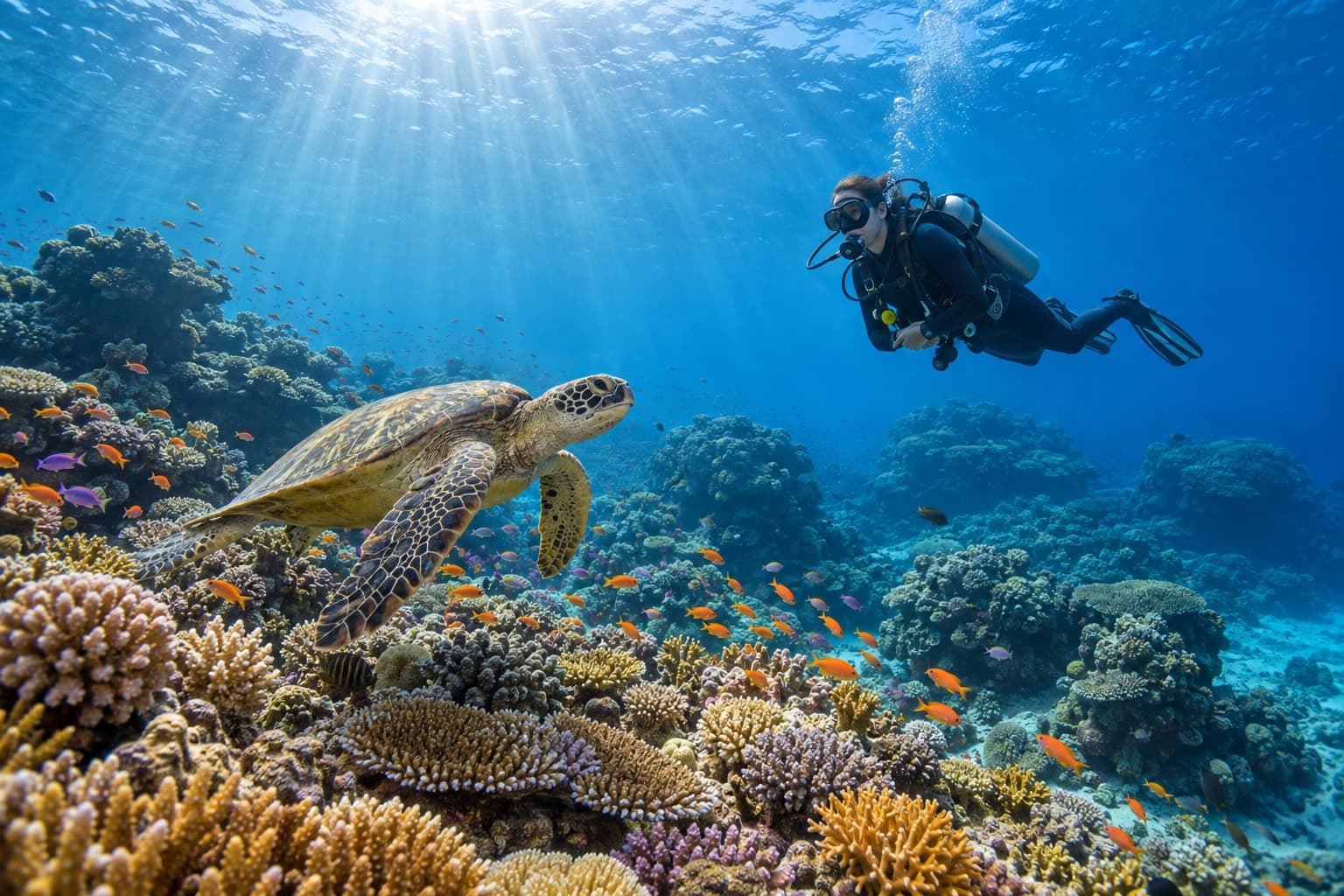 Warm waterCoral reefs & island divingFind clear-water reef diving from the Great Barrier Reef to Ningaloo and Lord Howe Island.Explore tropical diving
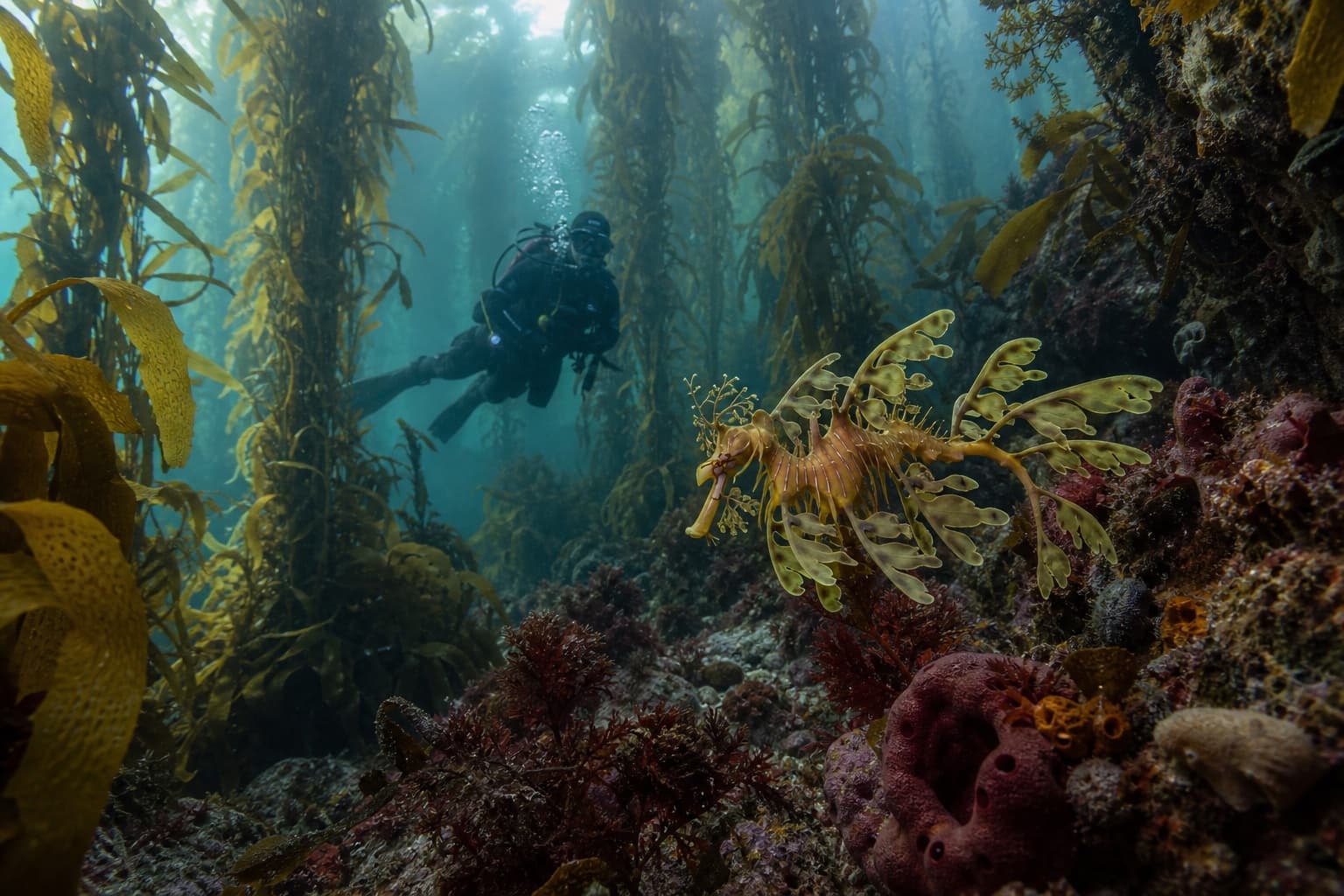 Southern coastKelp, piers & seadragonsDiscover the colder, stranger half of Australian diving across Victoria, Tasmania and South Australia.Dive the temperate south
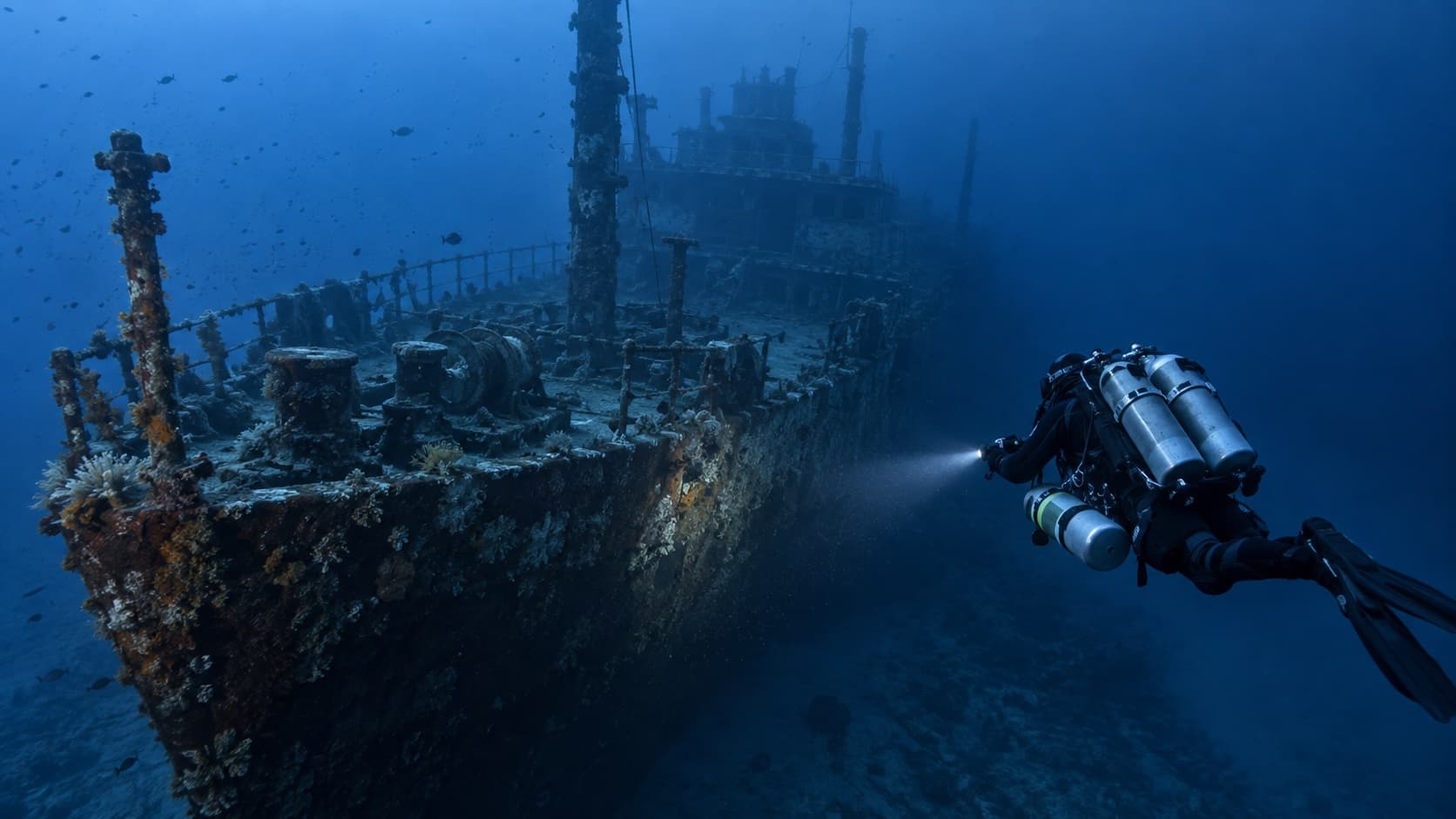 Beyond recreationalWrecks, caves & technical depthUnderstand the training, gas and support that genuinely change what a diver can access.Go deeper
The problem
Why this is harder than it looks
Australia offers an unusually broad range of scuba diving environments. A diver can learn in the shallow tropical waters of the Great Barrier Reef, spend a weekend shore diving around Sydney, explore historic wrecks in Victoria, encounter grey nurse sharks on the New South Wales coast, dive Ningaloo Reef in Western Australia, visit the giant Australian cuttlefish aggregation in South Australia, or progress into cave diving, decompression, Trimix and rebreather diving.
Finding the right dive centre requires more than searching for the nearest shop. Agency locators naturally concentrate on their own networks — a PADI search emphasises PADI centres, an SSI directory emphasises SSI Training Centers, and the technical market is split across SDI, TDI, RAID and IANTD.
A useful Australian directory has to work across agencies, and it has to record what each business actually does rather than which logo is on the door.
Each state has a genuinely different diving culture, shaped by water temperature, terrain, and whether the local market serves tourists or residents.
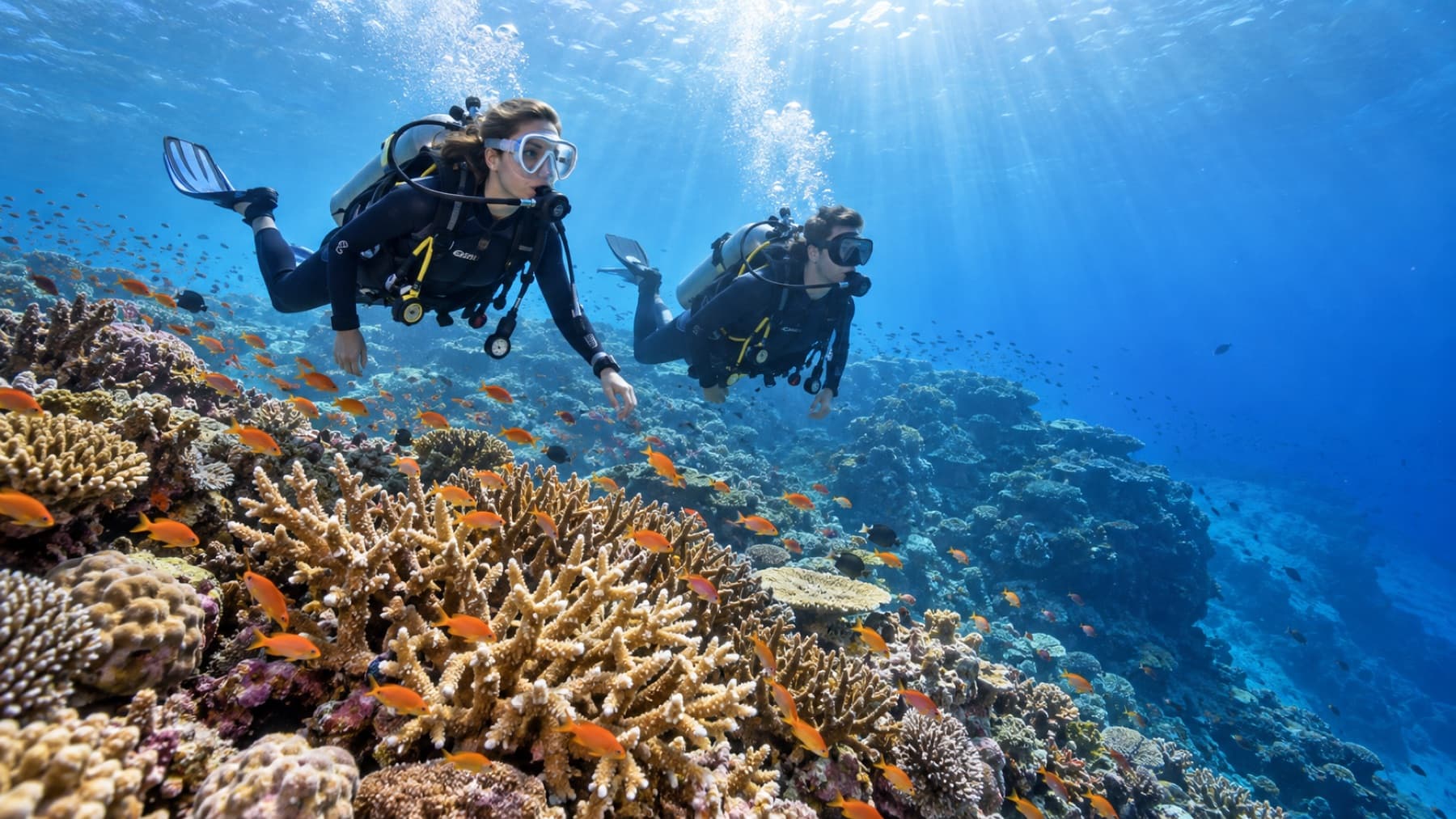 QueenslandAustralia's largest tropical dive-tourism market, plus a substantial resident diving population around Brisbane and the Gold Coast.
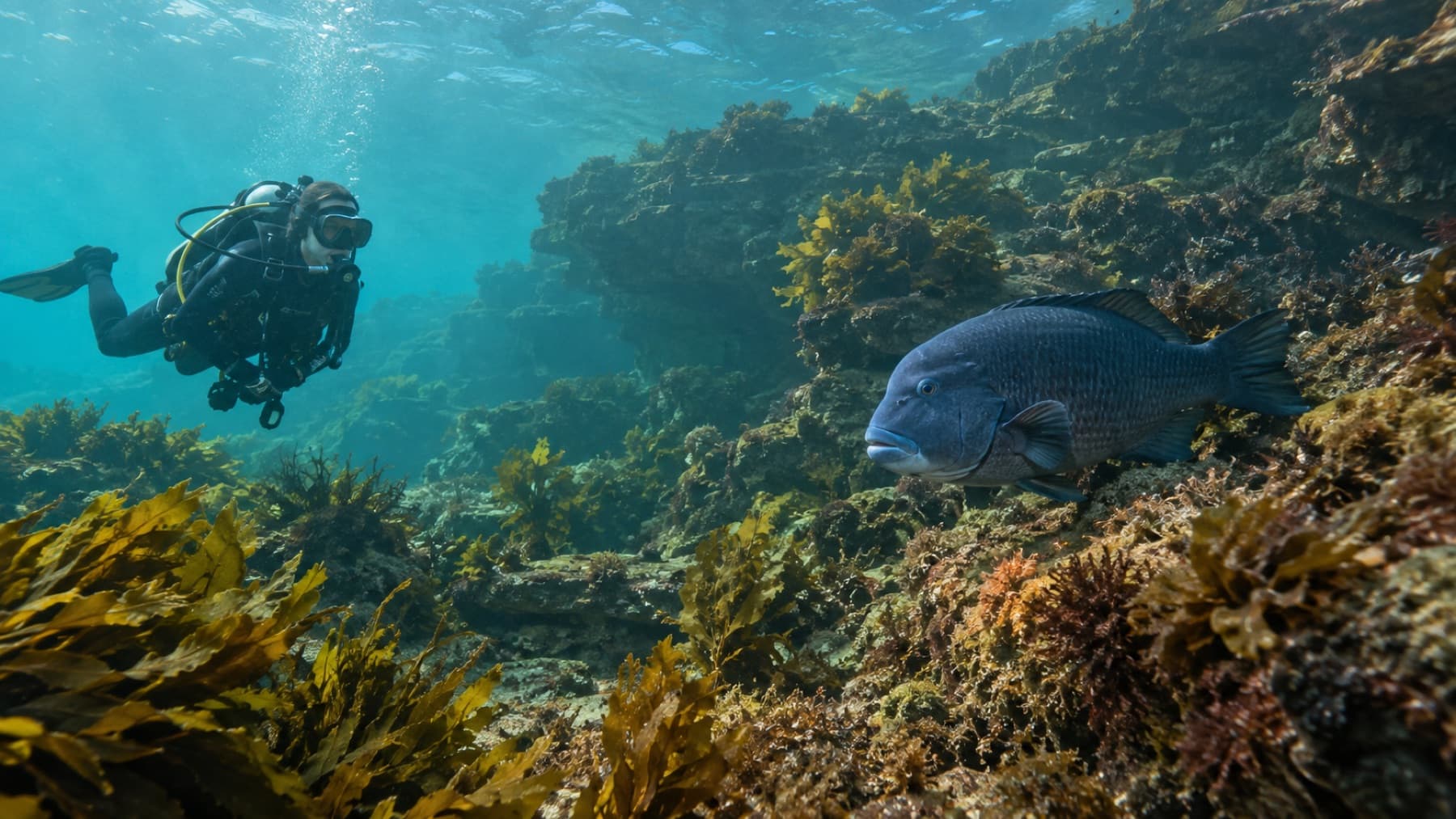 New South WalesOne of Australia's strongest year-round local diving cultures, with shore diving, shark aggregations and a deep technical training market in Sydney.
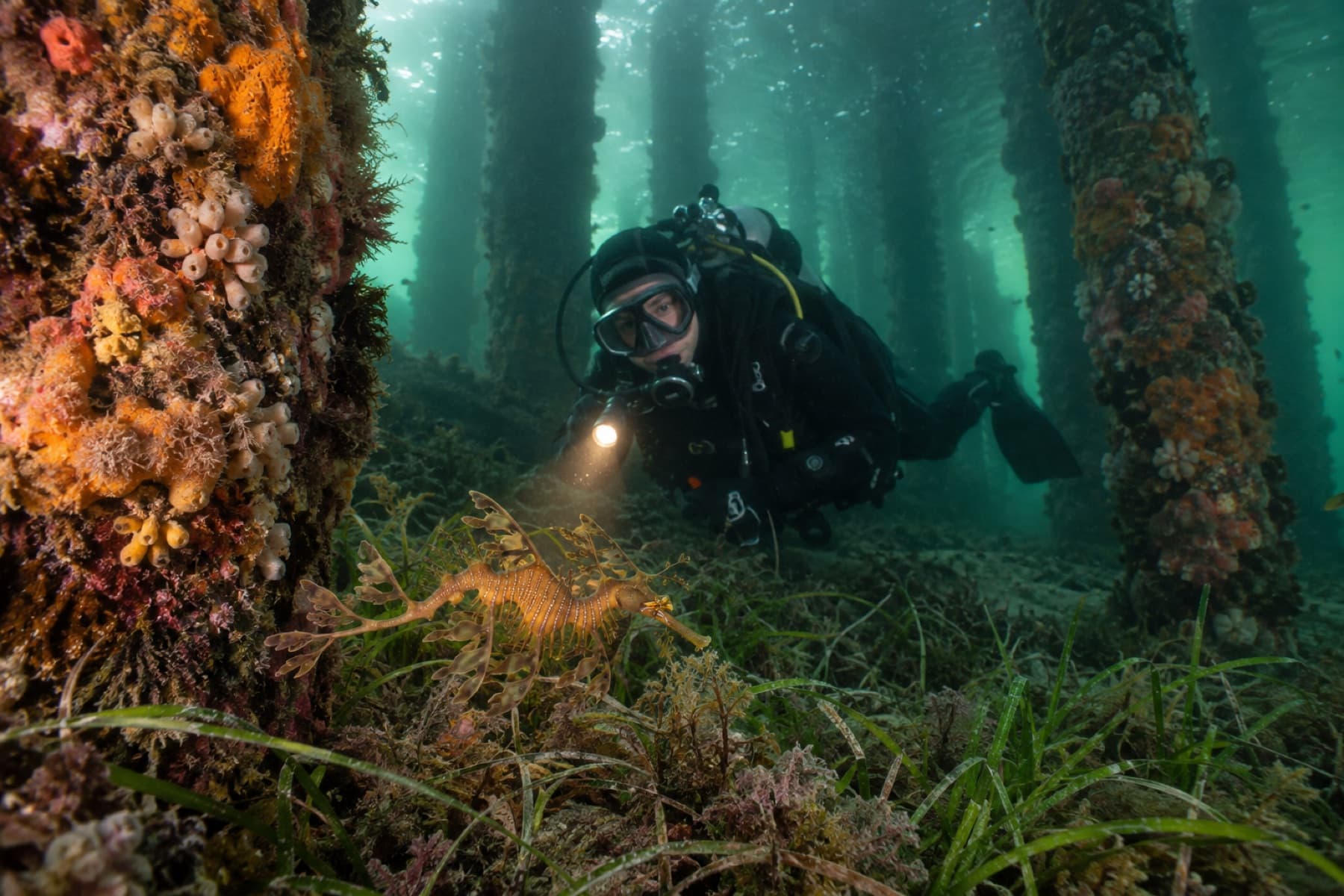 VictoriaCold-water shore diving, piers, more than sixty historic wrecks and wall diving that runs well past recreational depth.
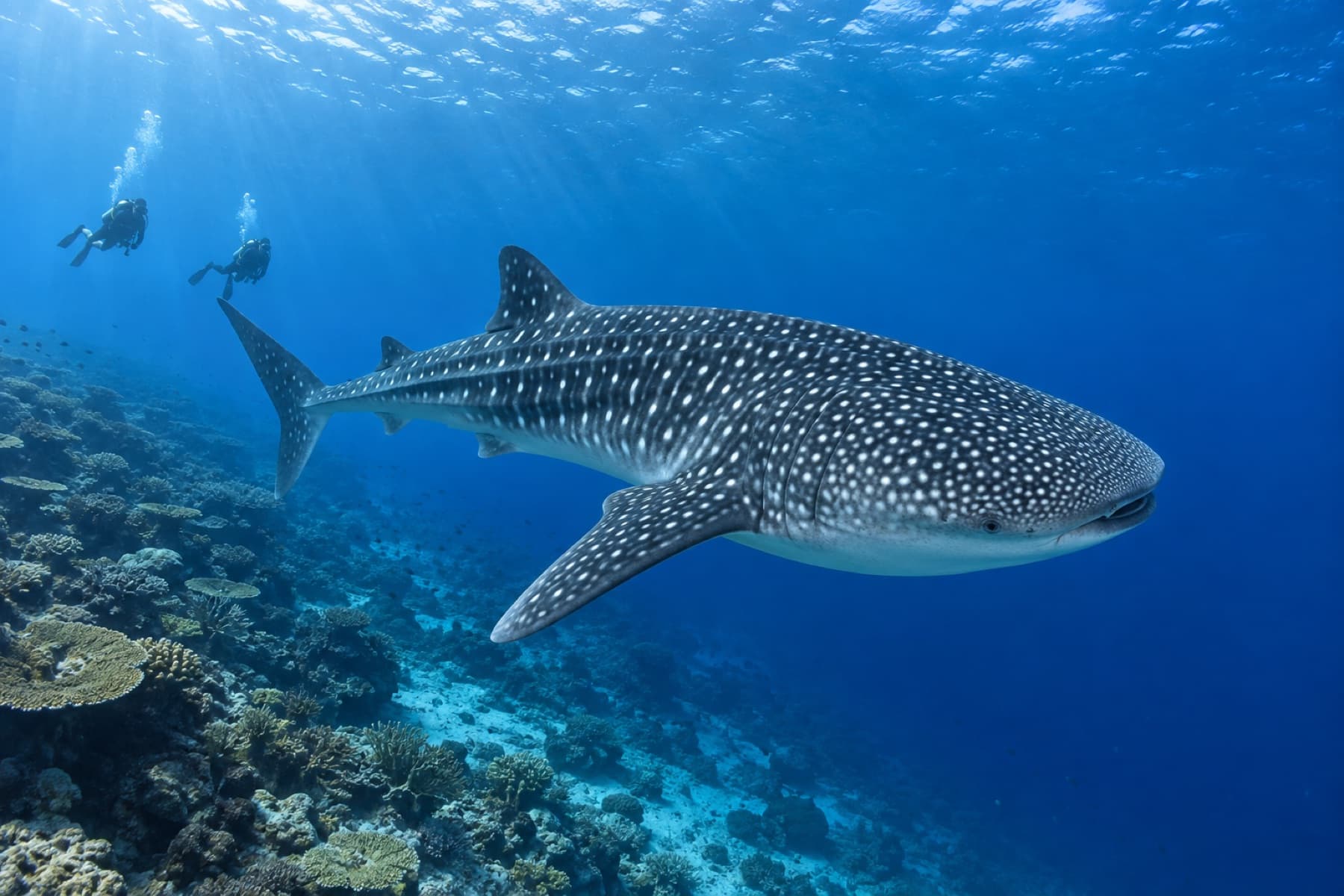 Western AustraliaThe most geographically extreme dive market in the country — tropical Ningaloo and cool southern-ocean diving inside one state.
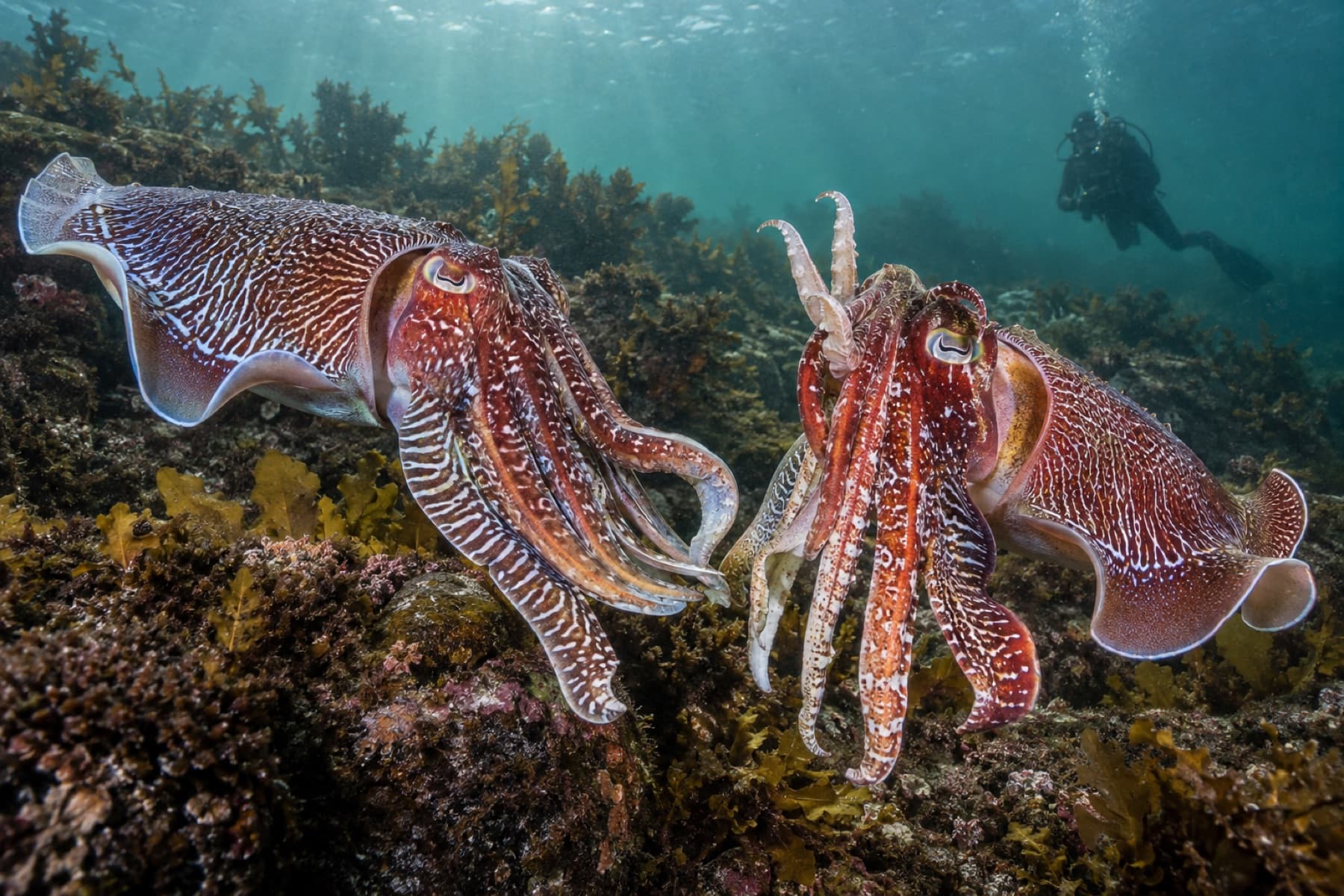 South AustraliaJetty diving, leafy seadragons, the giant Australian cuttlefish aggregation, and Australia's most important freshwater cave-diving region.
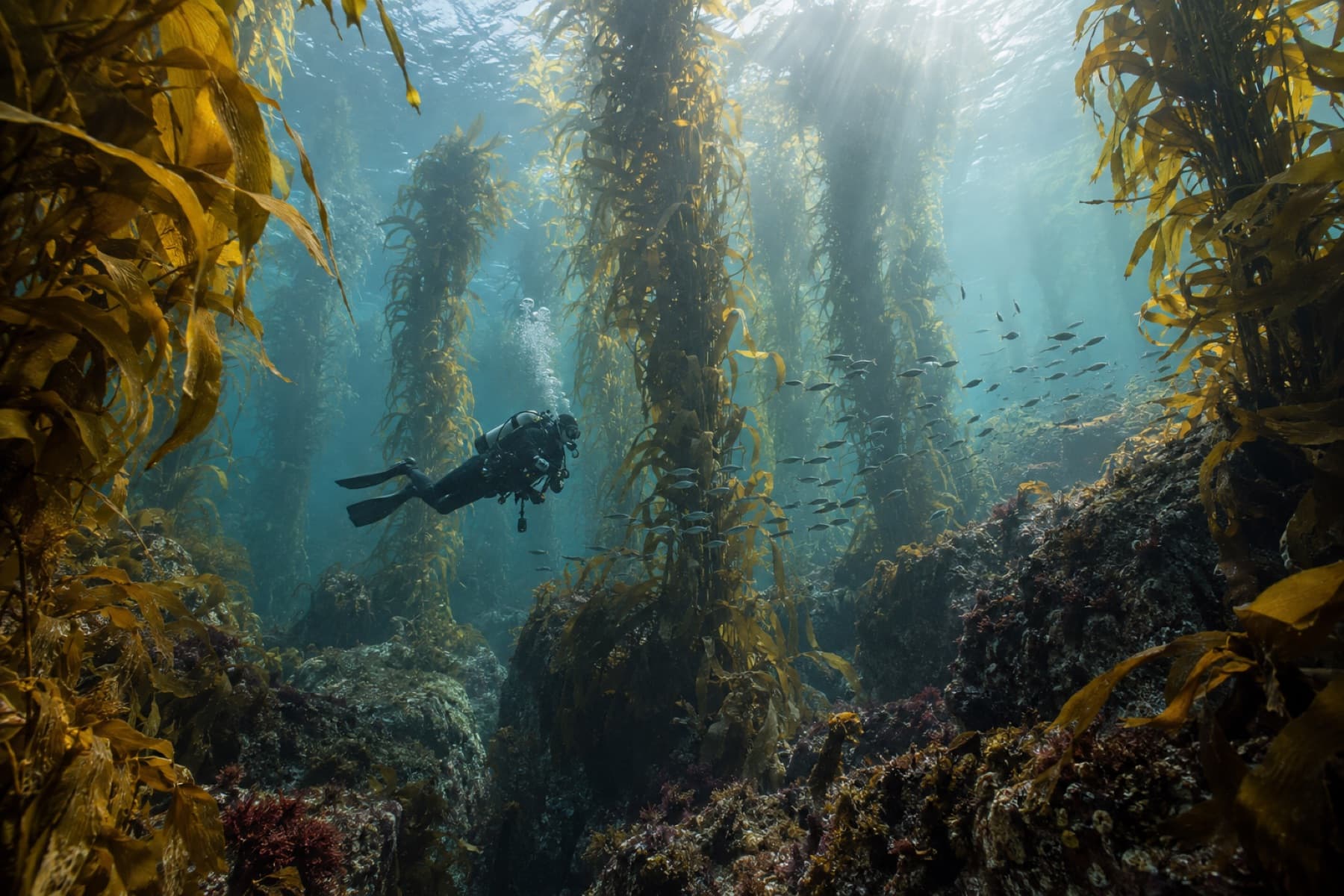 TasmaniaDramatic temperate diving — kelp, sea caves, sponge gardens, walls and deep wrecks in genuinely cold water.
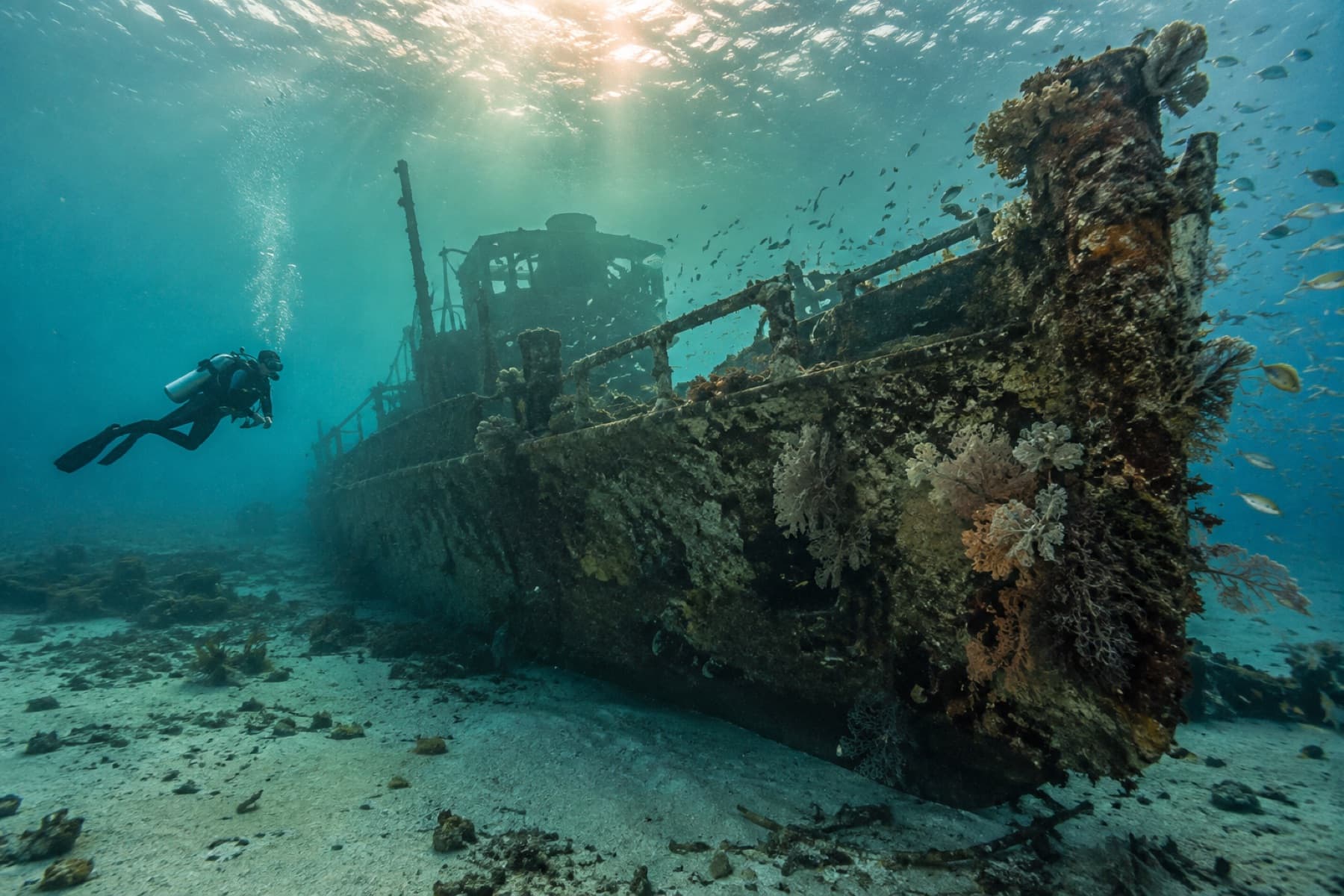 Northern TerritoryA small market with a genuinely distinctive environment: large tides, variable visibility and significant wreck history.
 Australian Capital TerritoryNo coastline, but a substantial diving community served by full training, servicing and cylinder facilities.
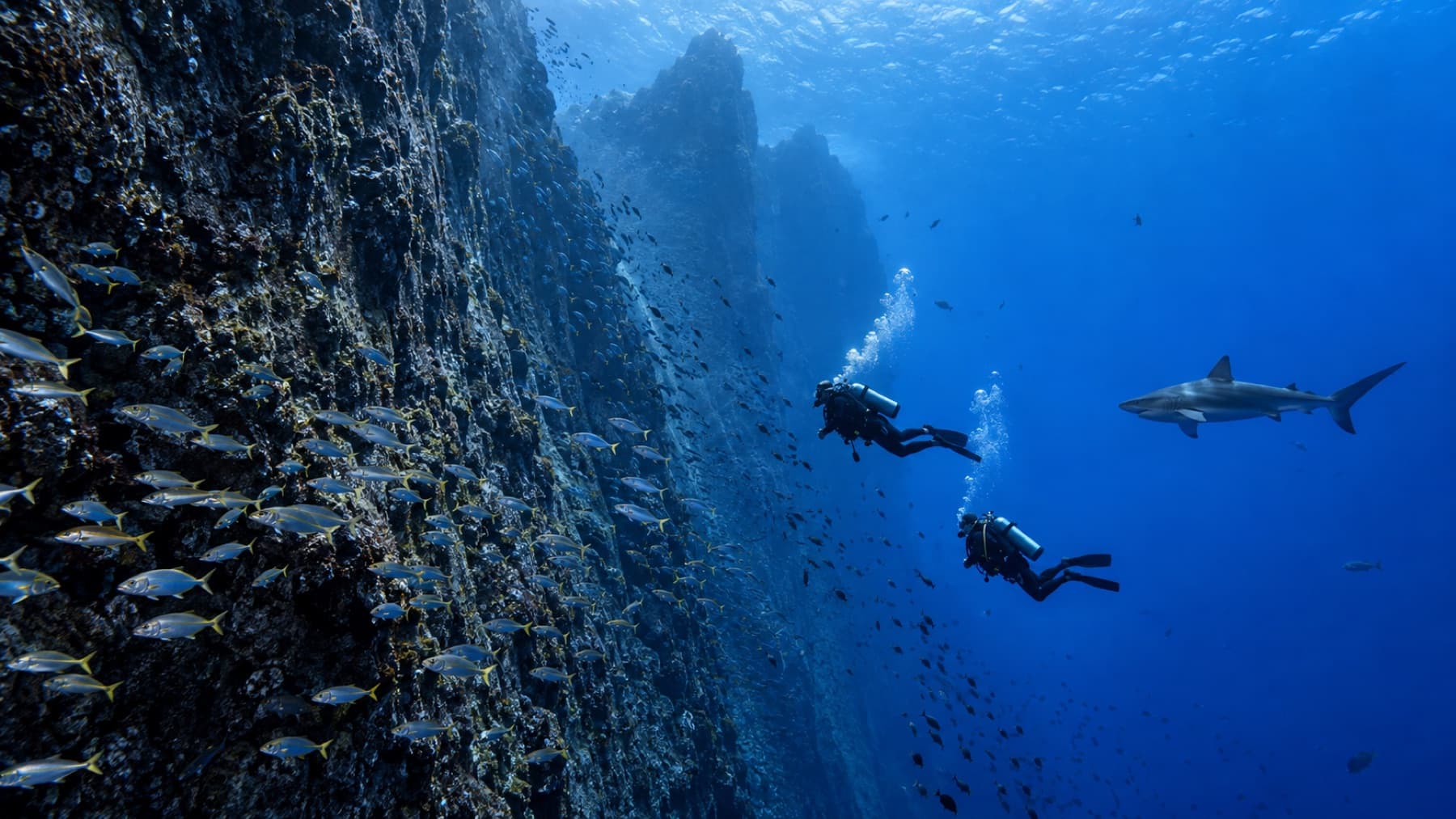 Lord Howe IslandThe world's southernmost coral reef, 600 km offshore, mixing tropical, subtropical and temperate marine life.
Signature sites
The dives that define Australian diving
Grey nurse aggregations, a hundred-metre wreck, a cuttlefish breeding ground and a limestone sinkhole with forty metres of visibility. Each page carries depth, conditions, hazards and the operators who dive it.
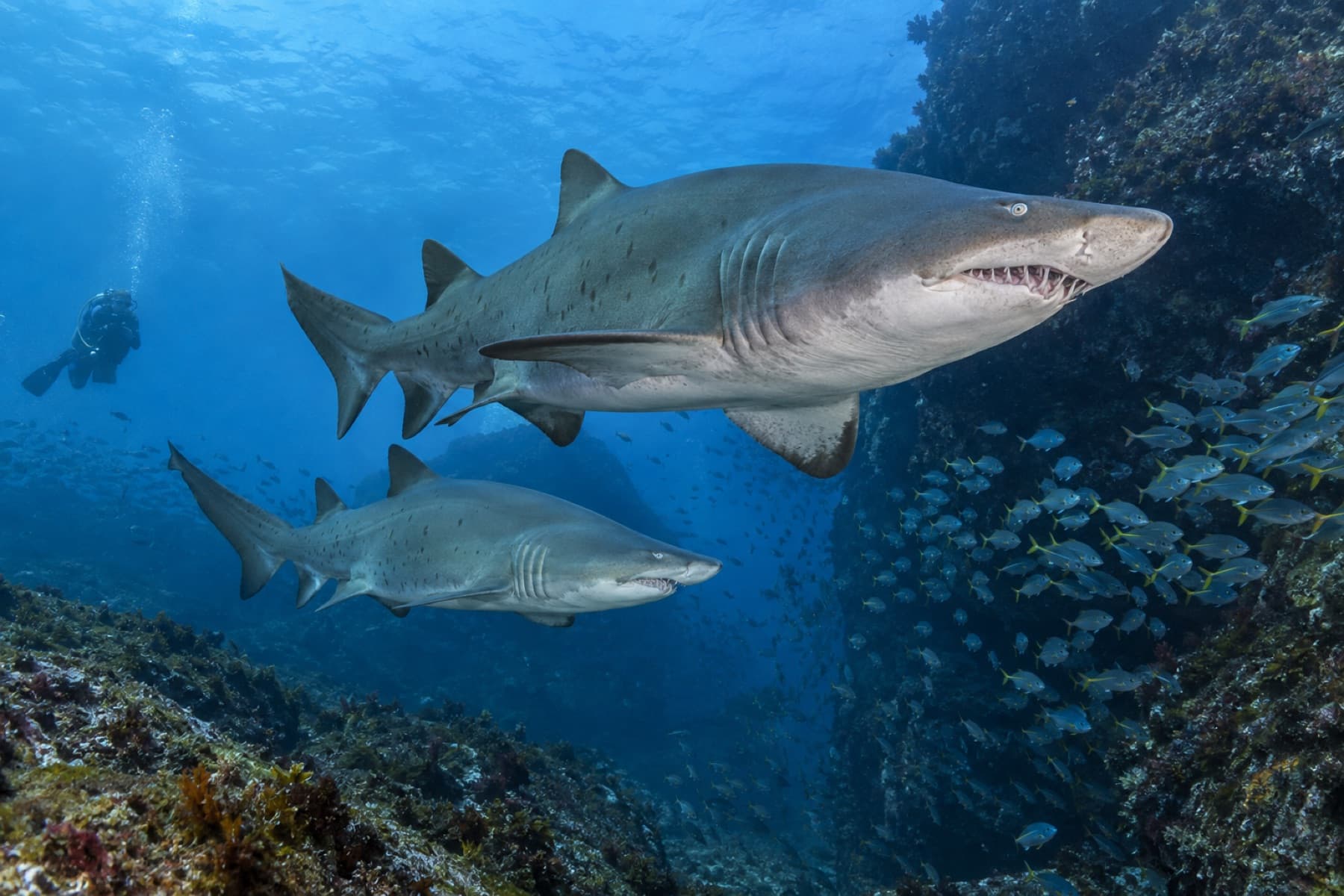 Fish RockGrey nurse shark aggregation and one of Australia's few genuine ocean through-caves.SS YongalaA 100-metre passenger steamer lost in 1911, now carrying possibly the densest marine life in Australia.
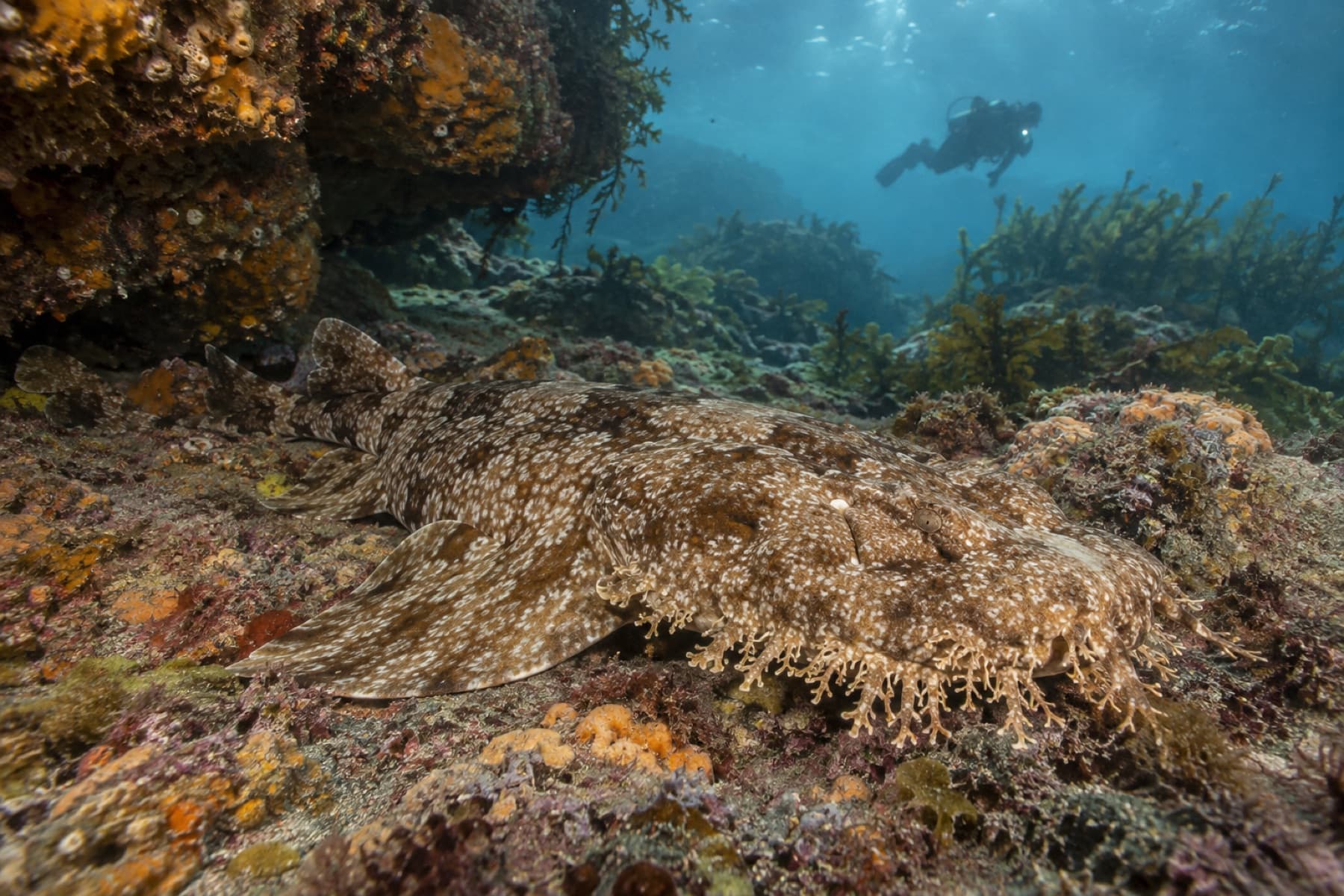 Julian Rocks (Nguthungulli)Where tropical and temperate waters meet — more than 20 shark and ray species recorded.HMAS CanberraVictoria's signature artificial wreck — a former guided missile frigate at around 28 metres.
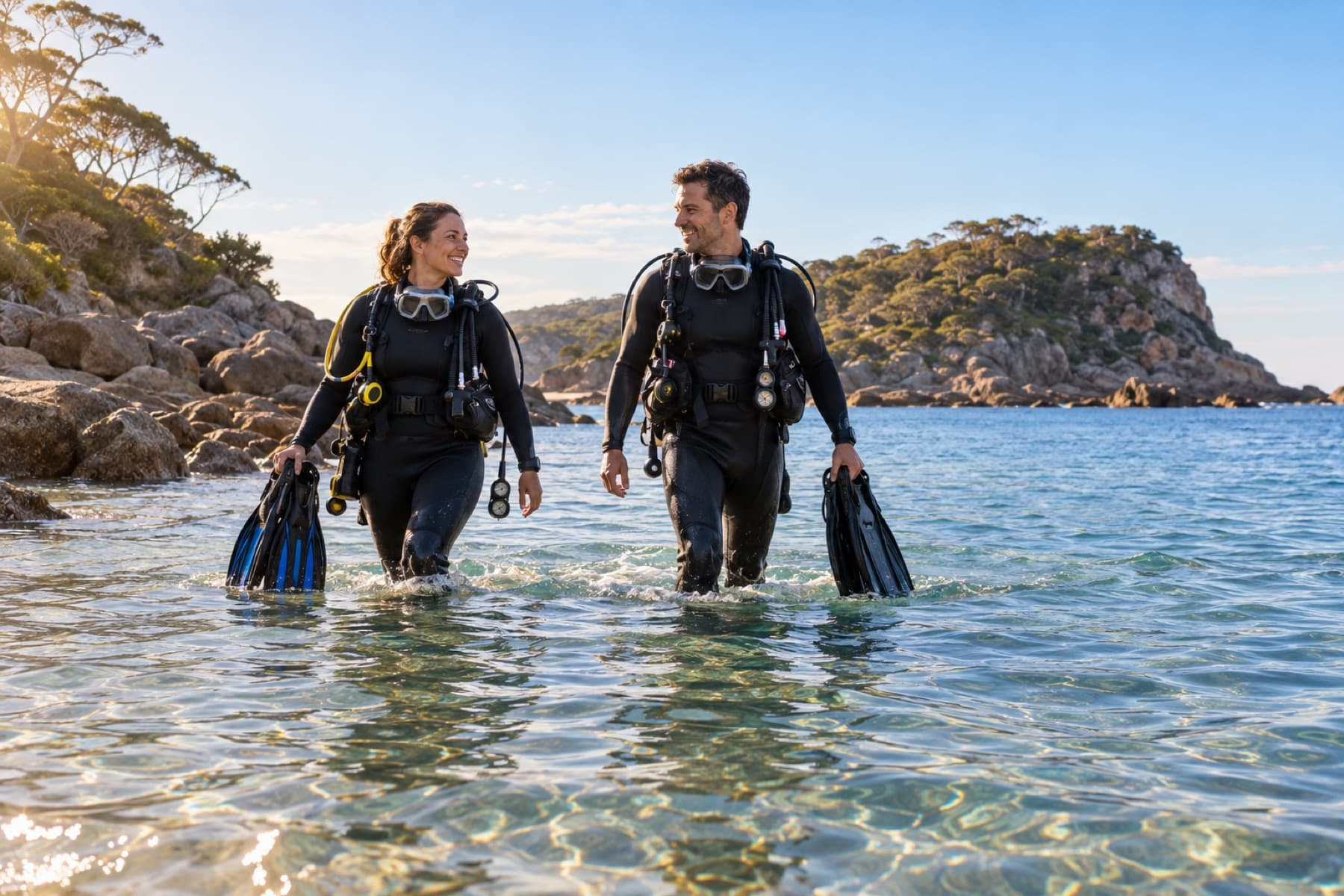 Whyalla Cuttlefish AggregationTens of thousands of giant Australian cuttlefish gathering to breed in a few metres of water.
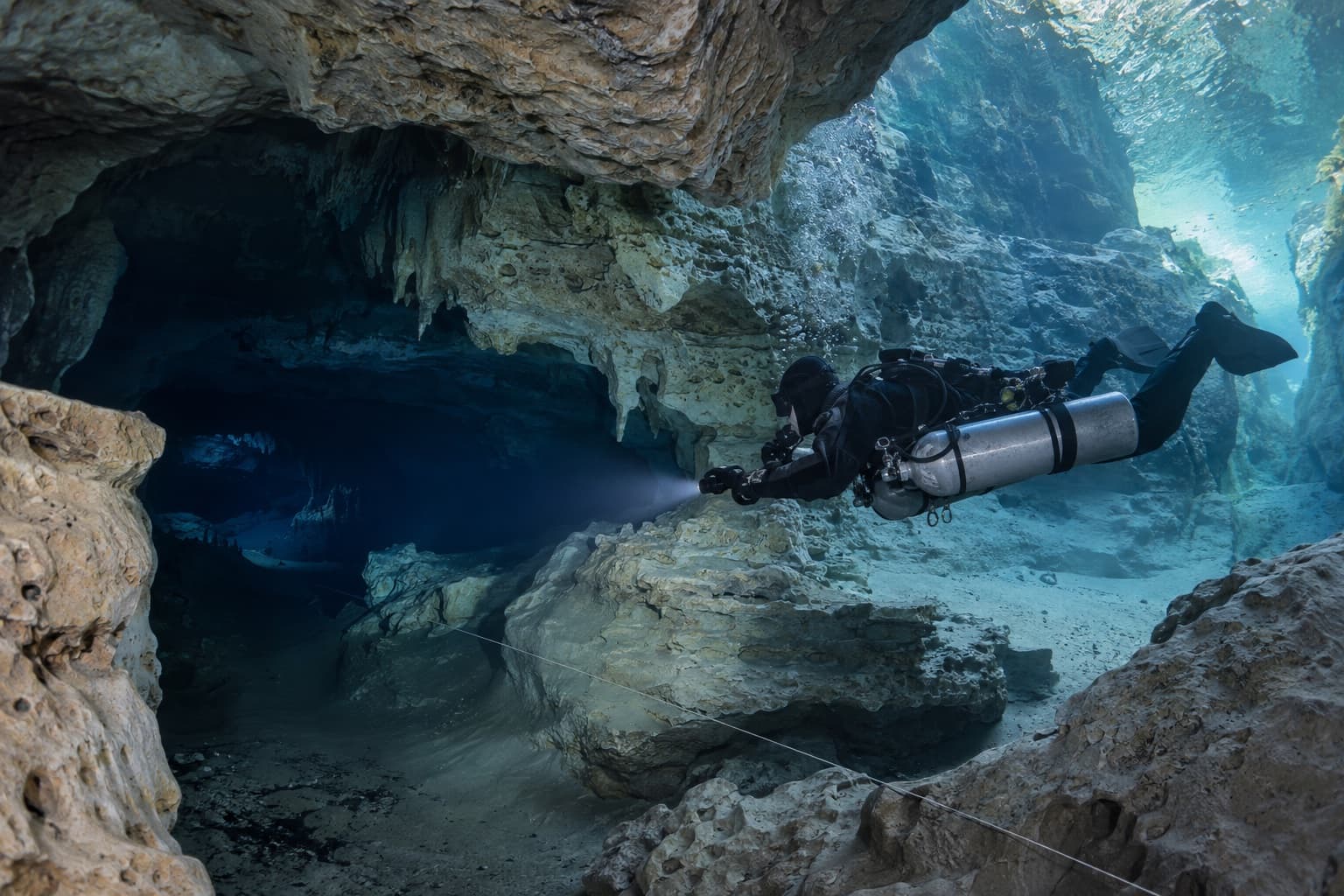 Kilsby's SinkholeA limestone sinkhole with water so clear the experience is closer to flying than diving.
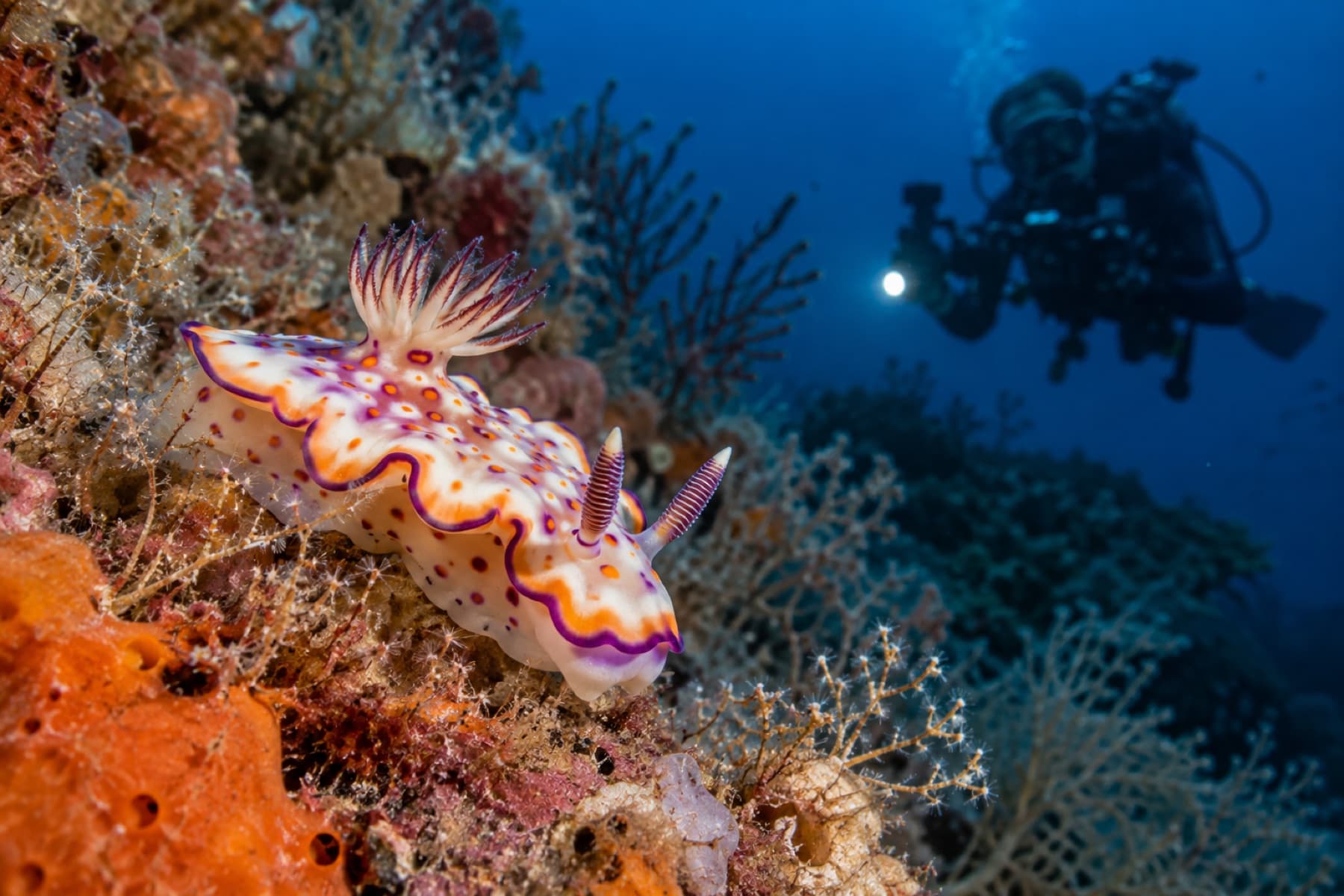 Bare IslandSydney's most-dived shore site — weedy seadragons, extraordinary macro life and multiple routes.
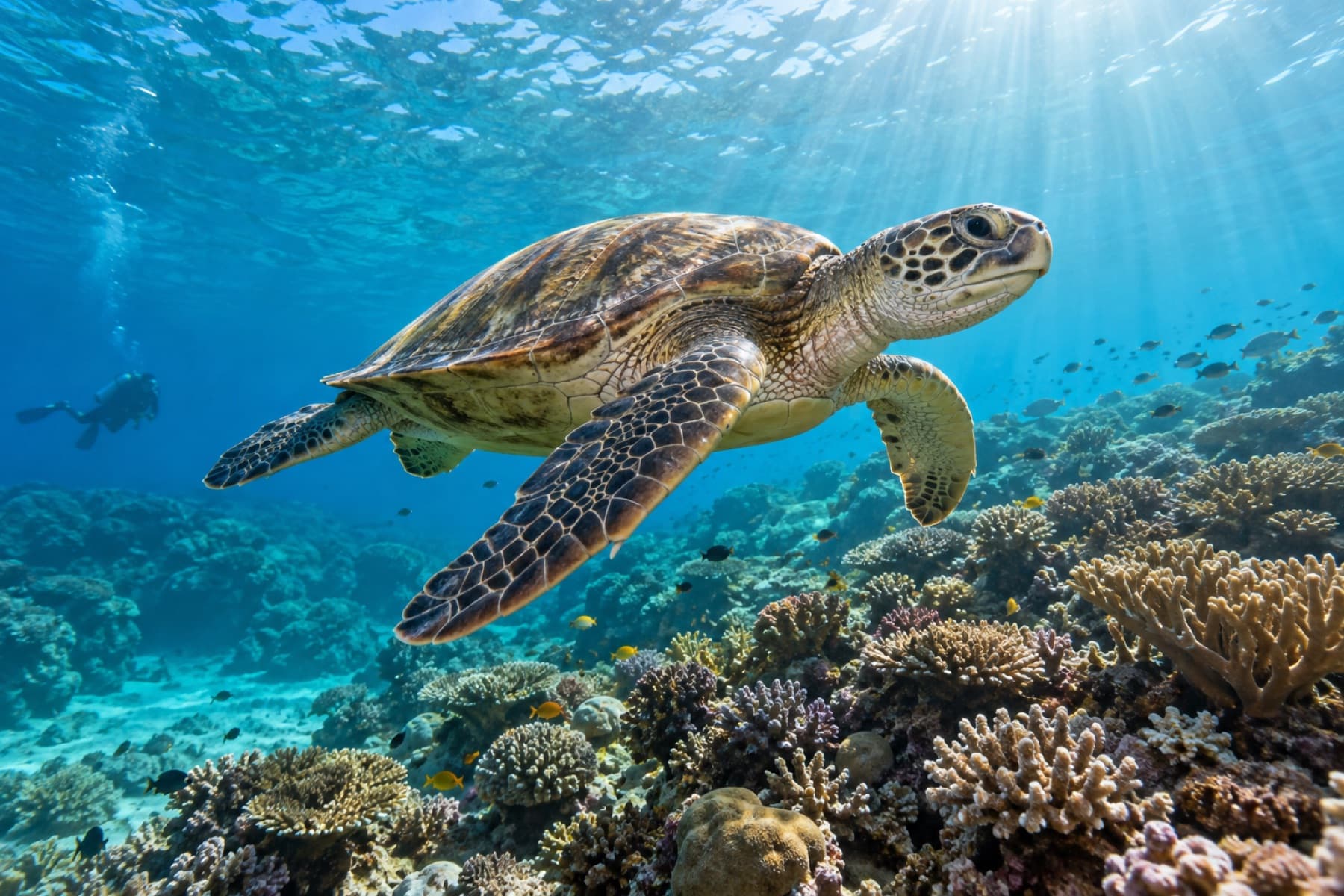 Ball's PyramidThe world's tallest sea stack, 26 km offshore, surrounded by pelagic fish in open ocean.
Most questions about Australian dive sites are really questions about animals — and the answers are seasonal. Each species page carries a month-by-month strip, the sites it occurs at, and how to behave around it.
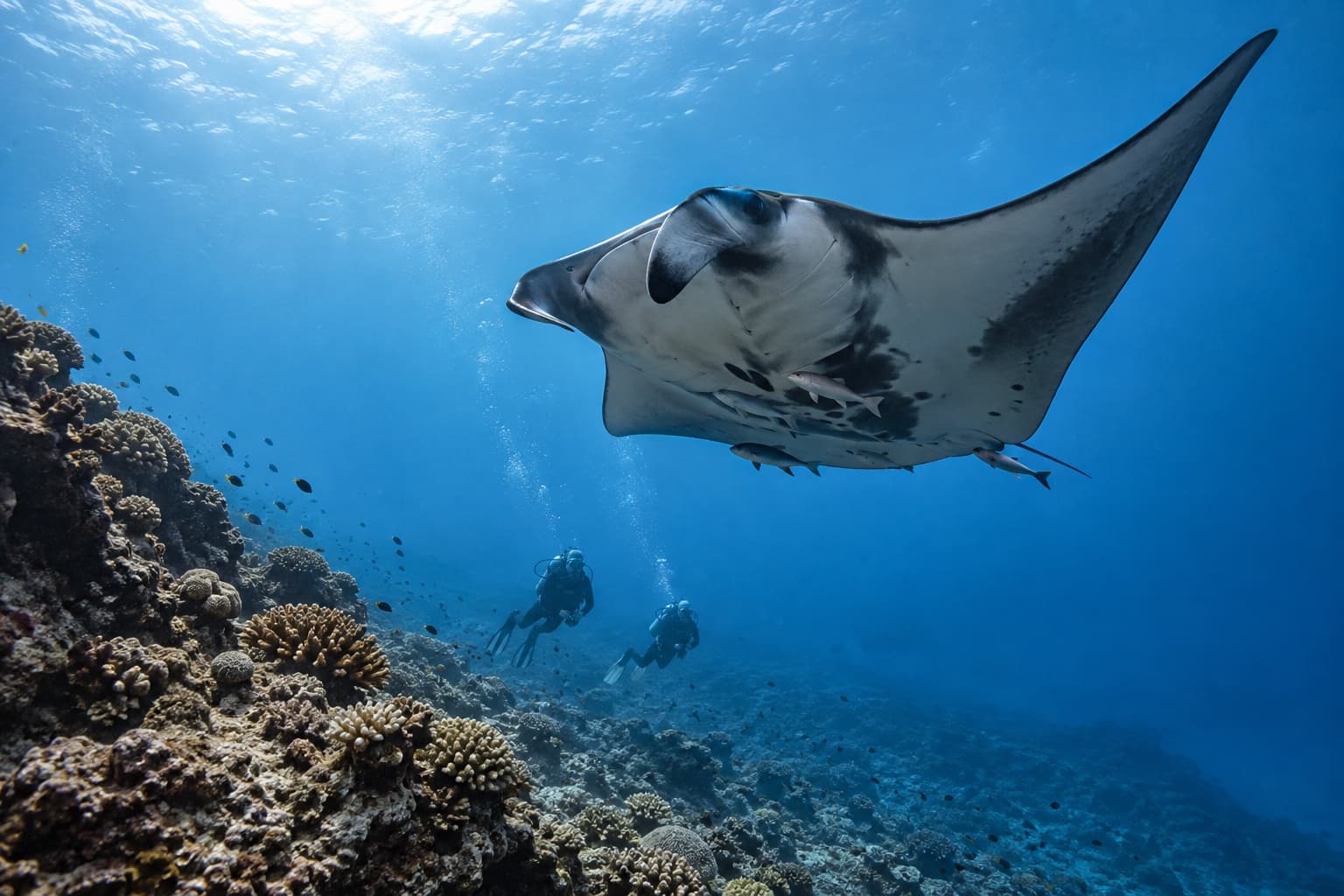 Manta RayReef mantas at cleaning stations — Lady Elliot and Ningaloo are the most reliable encounters in Australia.Weedy SeadragonThe leafy's more widespread cousin — the signature animal of Sydney and Victorian shore diving.
Diving in October
Leafy seadragon breeding, returning whales, and warming water on every coast.
What’s happening this month →All 26 species & habitats
Sharks, rays, seadragons, cephalopods, mammals and the habitats that hold them together.
Browse marine life →What each qualification teaches, what it permits, and where in Australia it genuinely changes what you can dive.
- Learning to DiveWhat entry-level scuba training actually involves, and how to judge a course before you book it.
- Open Water DiverThe entry-level certification that allows independent recreational diving to around 18 metres.
- Advanced Open Water DiverFive guided specialty dives that extend depth to 30 metres and introduce navigation and other skills.
- Rescue DiverThe course most divers describe as the hardest and the most genuinely useful they have taken.
- Enriched Air NitroxDiving with elevated oxygen to extend no-decompression limits — the most commonly taken specialty.
- Deep DiverExtending recreational limits to 40 metres, with the gas planning and narcosis awareness that requires.
- Wreck DiverDiving wrecks safely, and understanding where external touring ends and penetration begins.
A dive becomes technical because of decompression, an overhead, gas switching or a rebreather — not because of depth alone.
- Technical Dive Centres in AustraliaWhy 'technical' is not one capability, and how to compare facilities service by service.
- Advanced NitroxHigh-oxygen decompression gases and oxygen-clean equipment — a different capability from recreational Nitrox.
- Decompression DivingWhen the option of a direct ascent is deliberately given up, and what that changes.
- TrimixHelium in the breathing mix — and the gas logistics that determine whether a trip is possible.
- Closed Circuit RebreathersRecycled breathing gas, silent diving — and support that is specific to your exact unit.
- Cave Diving in AustraliaThe CDAA system, Mount Gambier, and why recreational certification does not apply.
- Sidemount DivingCylinders at your sides — redundancy, streamlining and restriction access.
The unglamorous infrastructure that keeps a diver diving. A centre that sells a regulator does not necessarily service it, and one that fills Nitrox does not necessarily blend Trimix.
Agencies set standards, materials and certification pathways. The logo tells you less than most divers assume — so we compare the things people actually argue about.
How this is written
Verified capability, separated from assumption
A centre is not classified as technical because it teaches recreational Nitrox. A business offering equipment hire is not automatically an equipment retailer. Where a service carries a tick, a current primary source says so and the page links it. Where we have not established something, the page asks the question instead of guessing the answer.
We also avoid “premier”, “leading” and “world-class” unless someone else said it first.
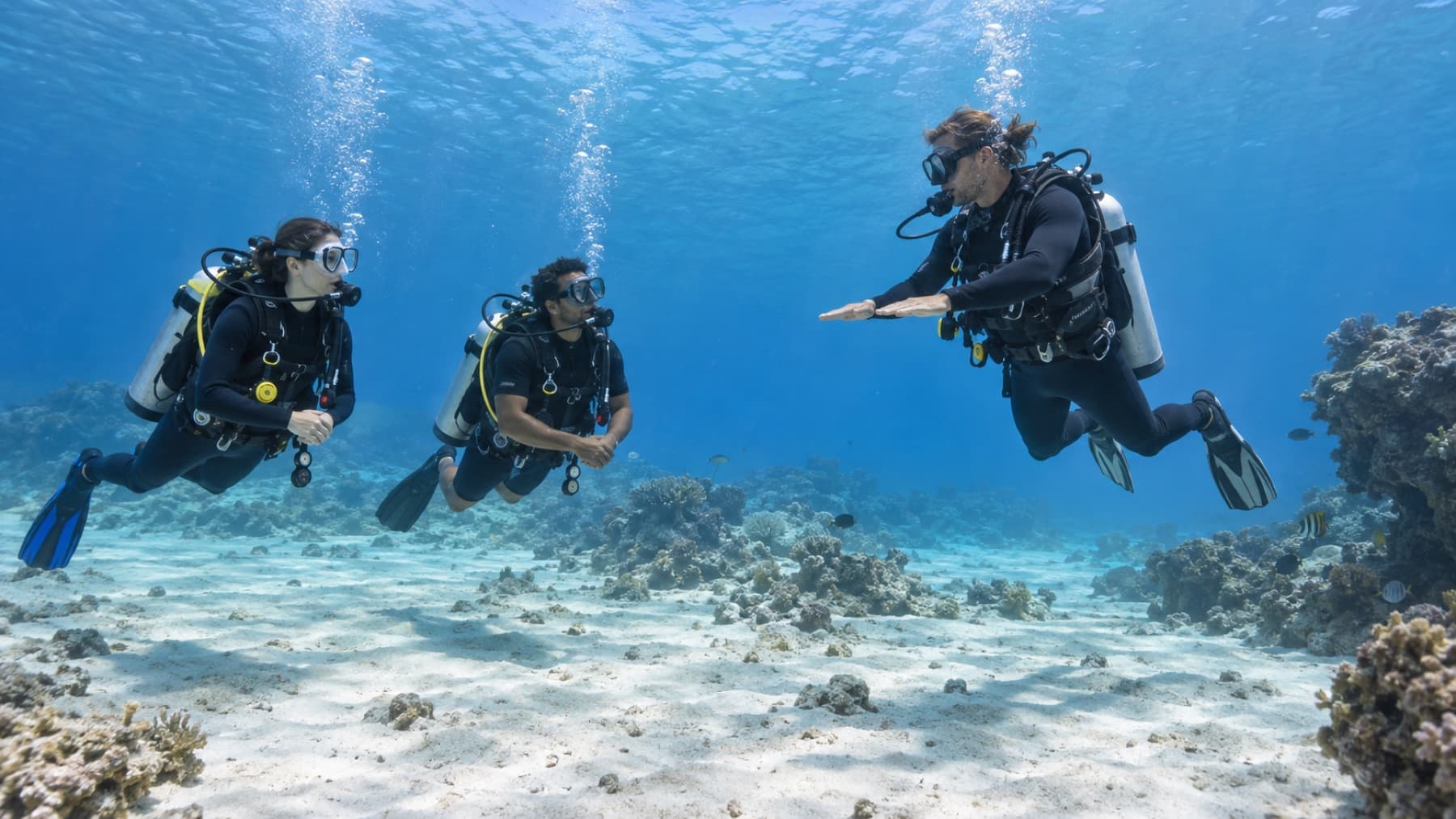 Beginner Dive Sites in AustraliaHow to choose a forgiving Australian dive site after certification, with examples that prioritise conditions, simple access and useful local support.Australian Dive ItinerariesRealistic three-, five- and seven-day diving plans that keep travel time under control and leave room for weather.Australian Water Temperature and Wetsuit GuideHow exposure protection changes from tropical Queensland to Tasmania, and why temperature alone does not choose the suit.