When to dive in Australia
Australia spans tropical reef and sub-Antarctic temperate water, so there is no single best month — only a best month for the thing you want to see.
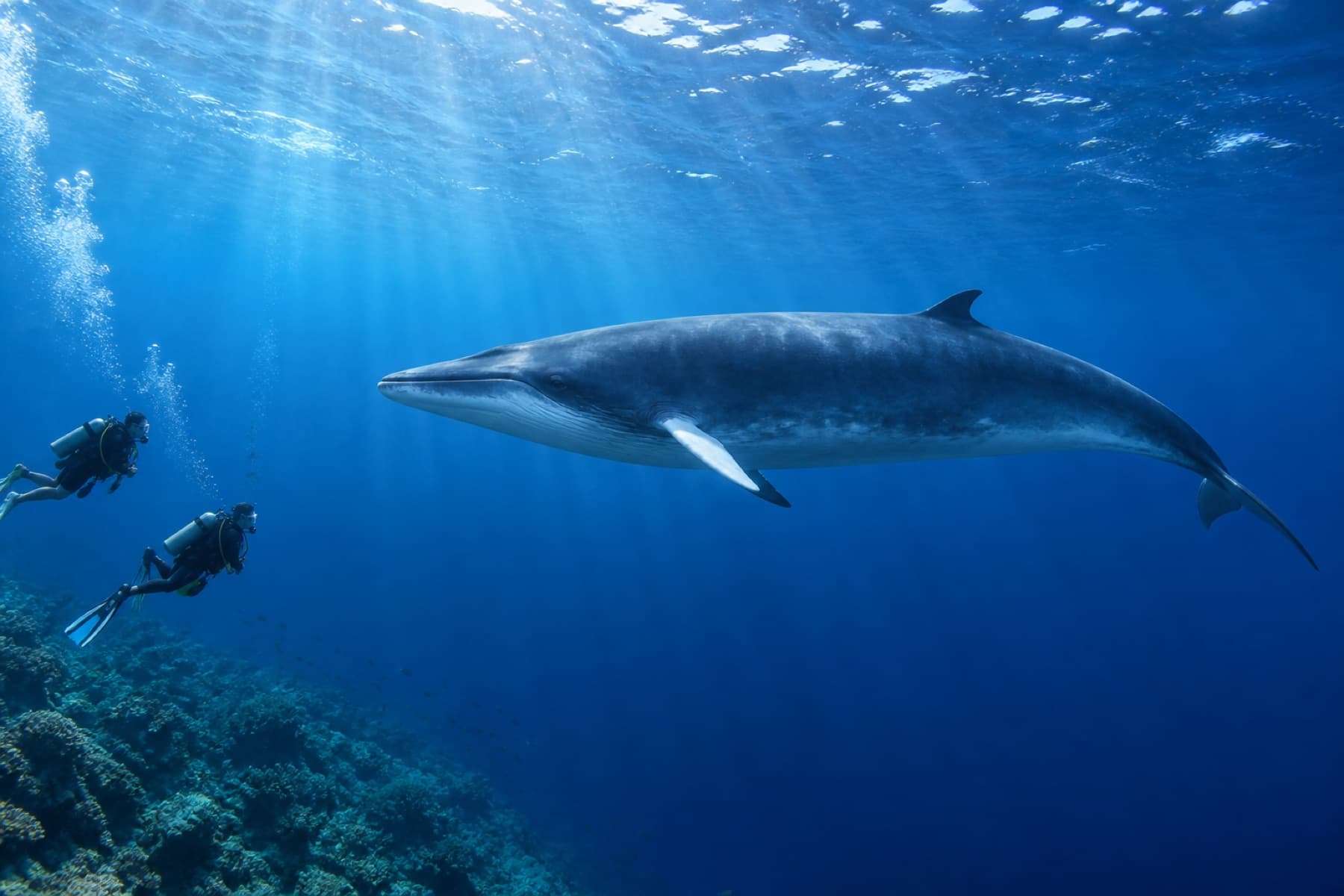
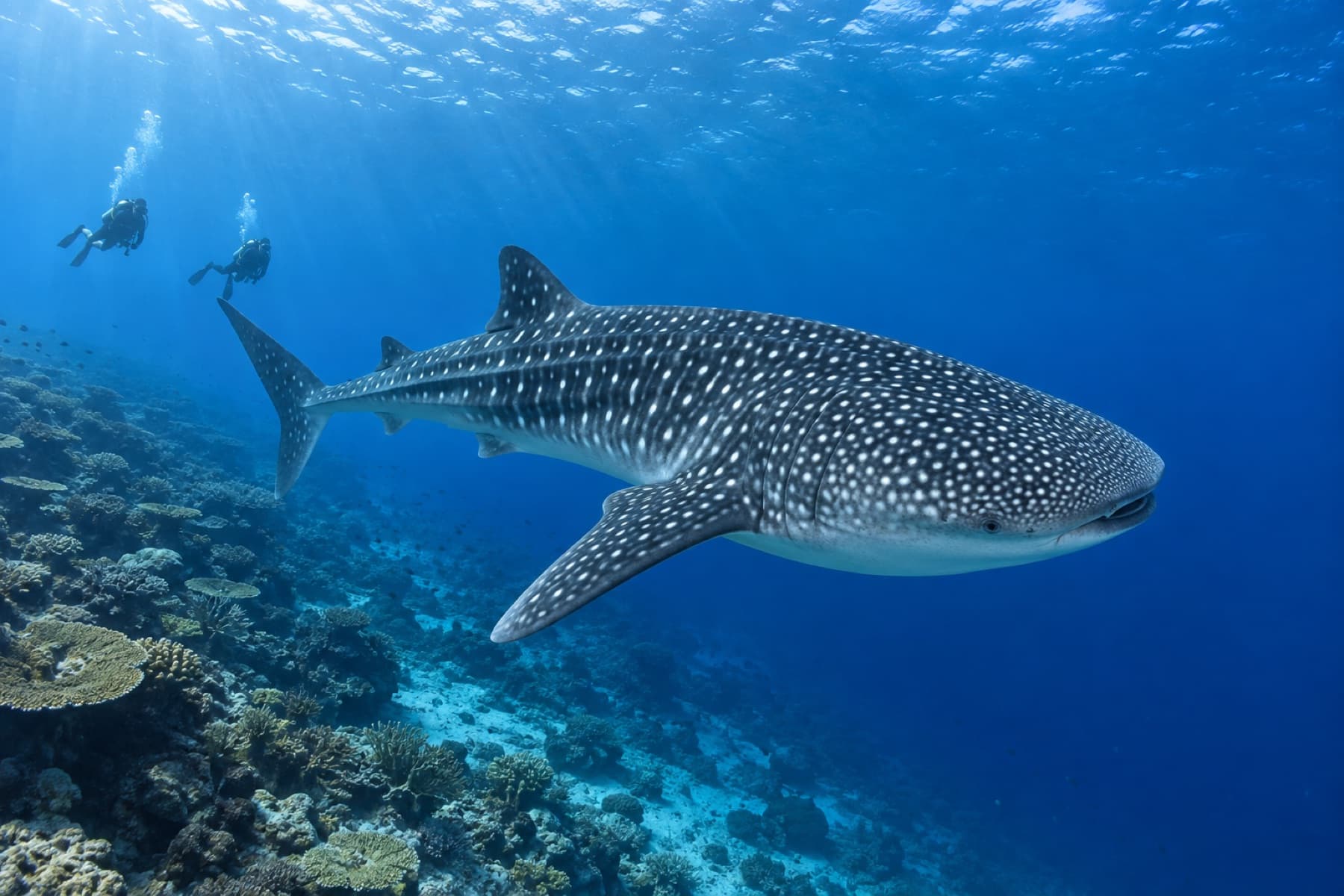
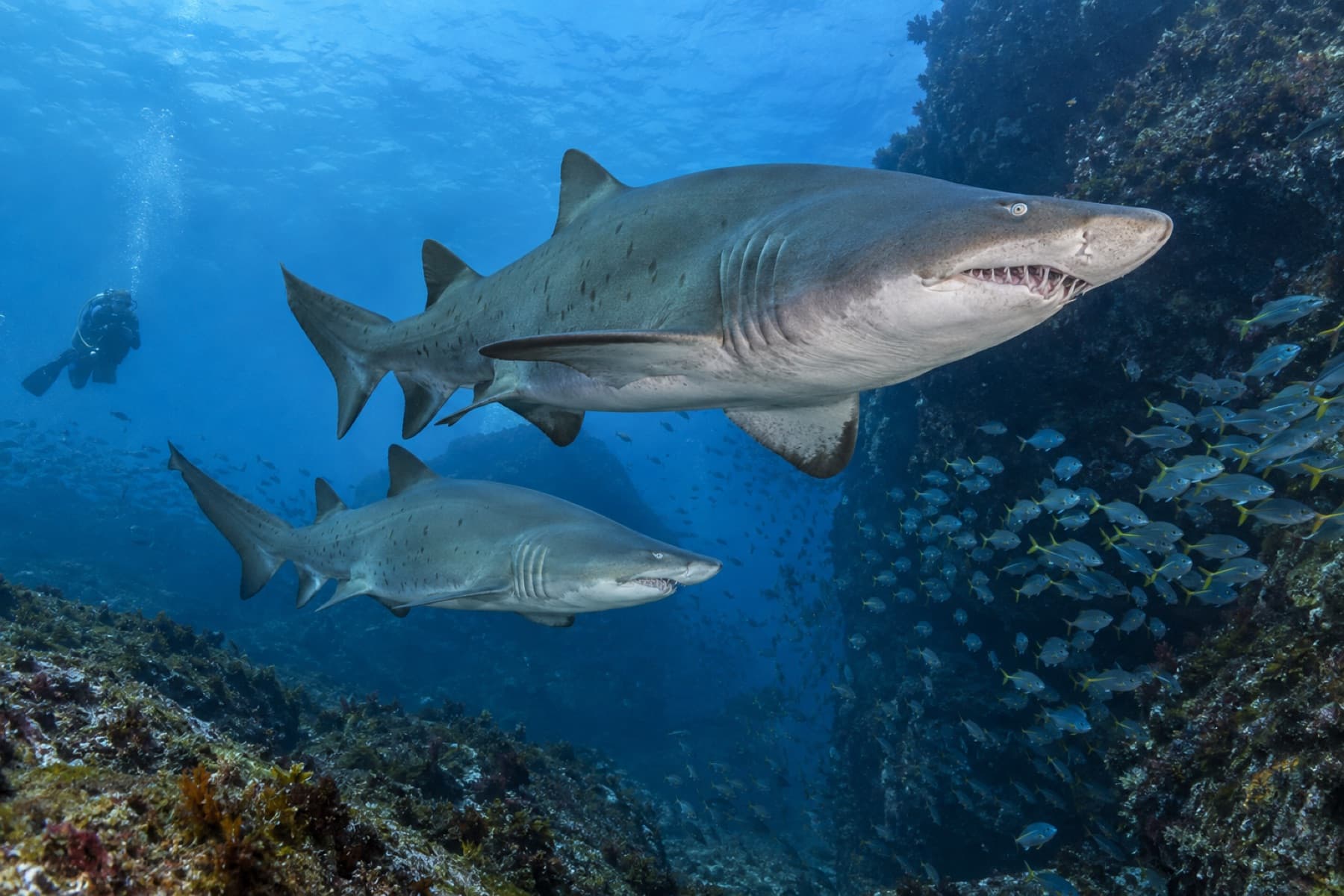
The country's headline underwater events are tightly seasonal and they do not overlap. Whale sharks at Ningaloo run March to August. Dwarf minke whales on the Ribbon Reefs are a two-month window. The Whyalla cuttlefish aggregation is a winter event in cold water. Grey nurse sharks build through the cooler months while leopard sharks do the opposite.
That means choosing dates before choosing a destination is often the smarter order. A diver who books Byron Bay in July for manta rays has made a reasonable-sounding mistake, and one that a month page would have caught.
Each month below covers what is happening underwater nationwide, which regions are at their best, and — where relevant — where conditions are genuinely poor.
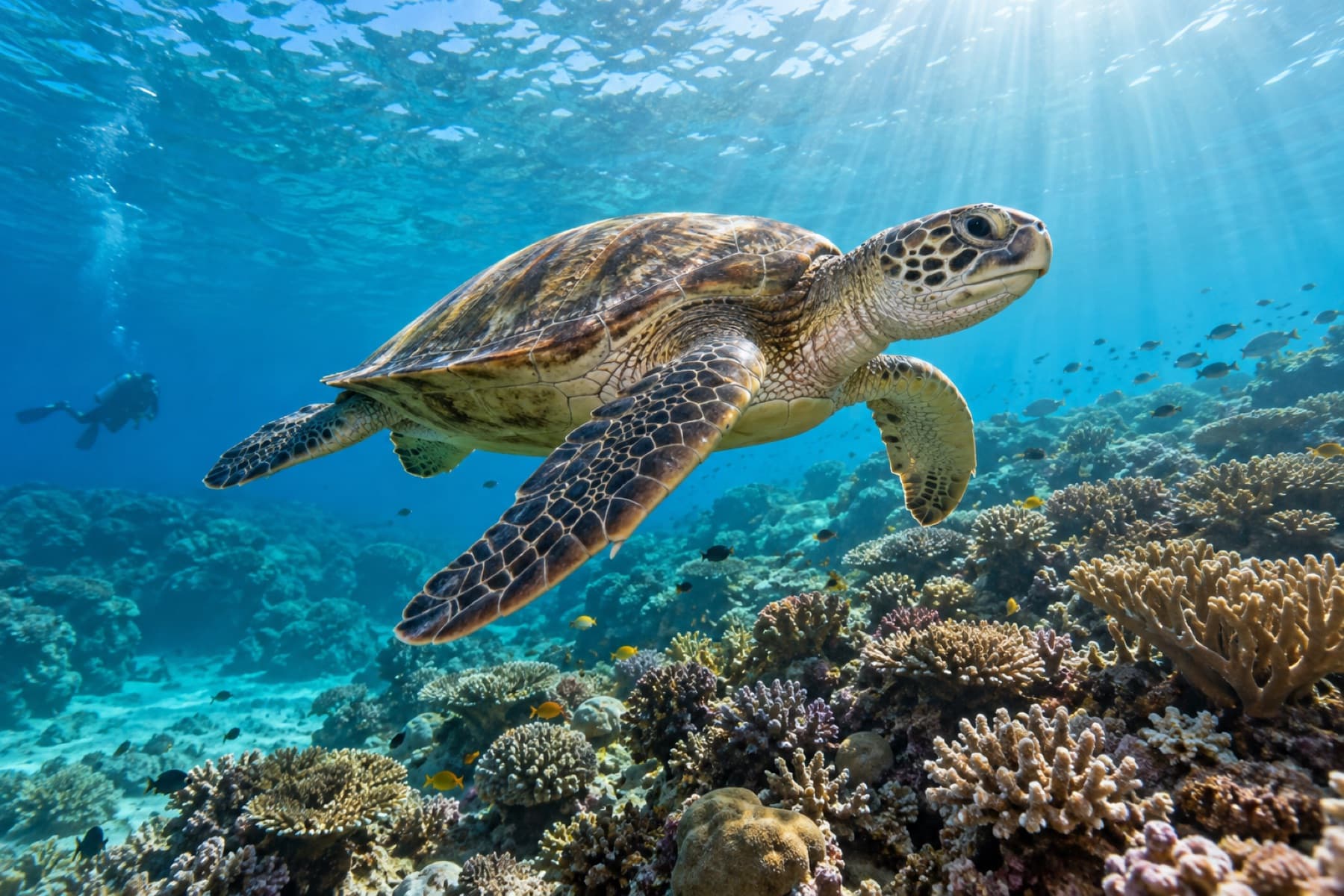 JanuaryPeak heat, peak crowds, warmest water nationwide — and stinger season in the tropics.
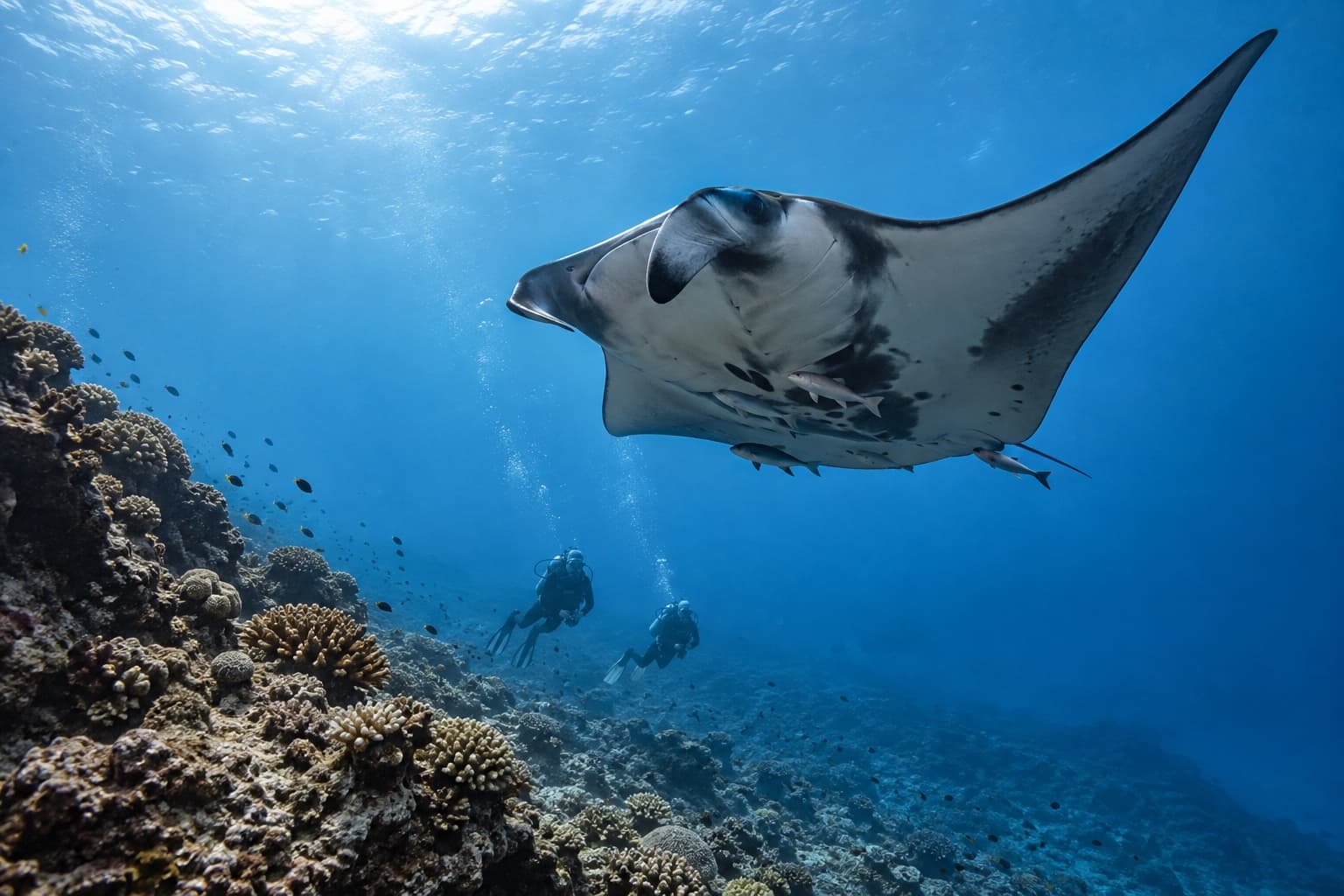 FebruaryThe warmest water of the year on the east coast, and the tail of the tropical wet.
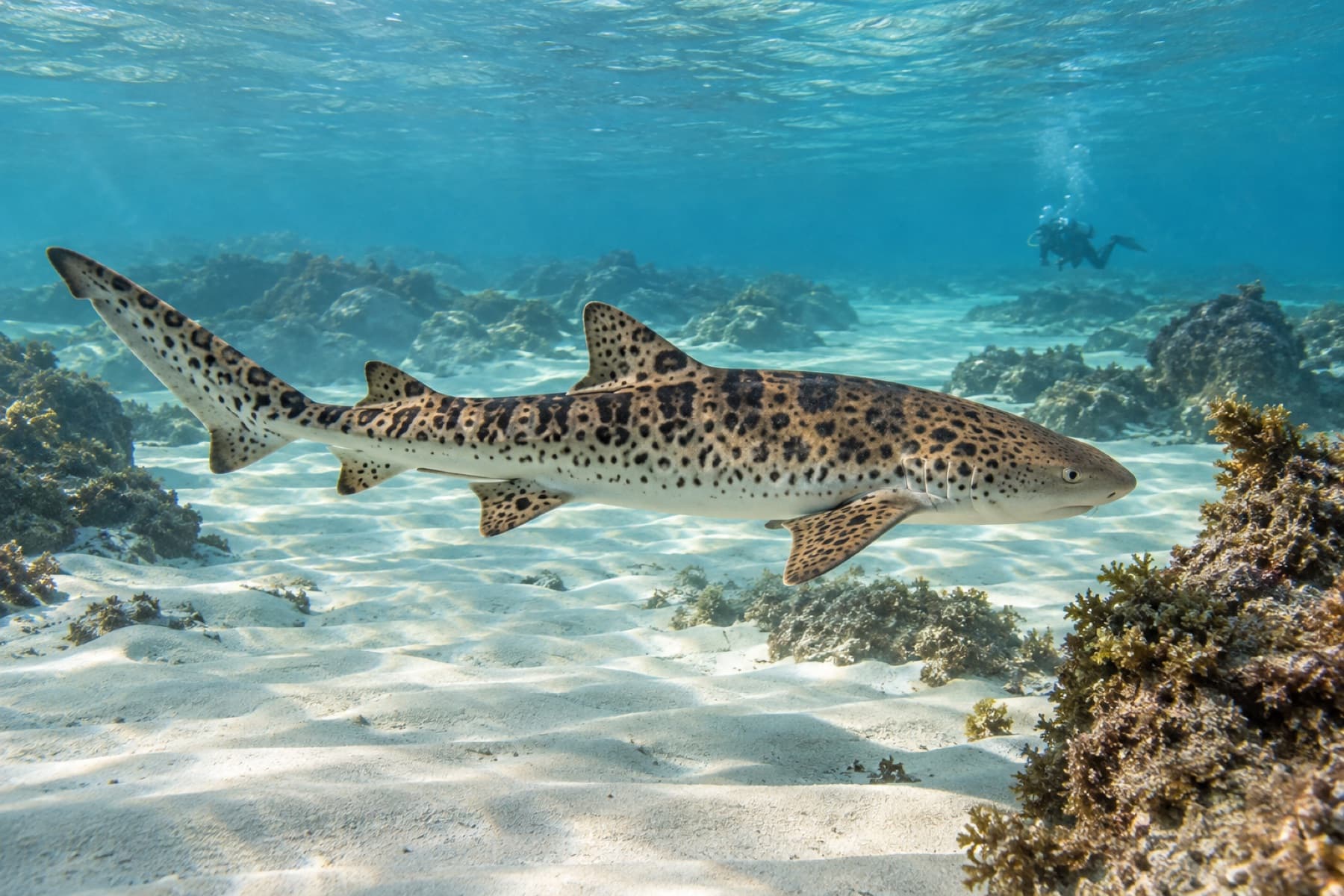 MarchWhale sharks arrive at Ningaloo; the east coast holds summer warmth without the crowds.
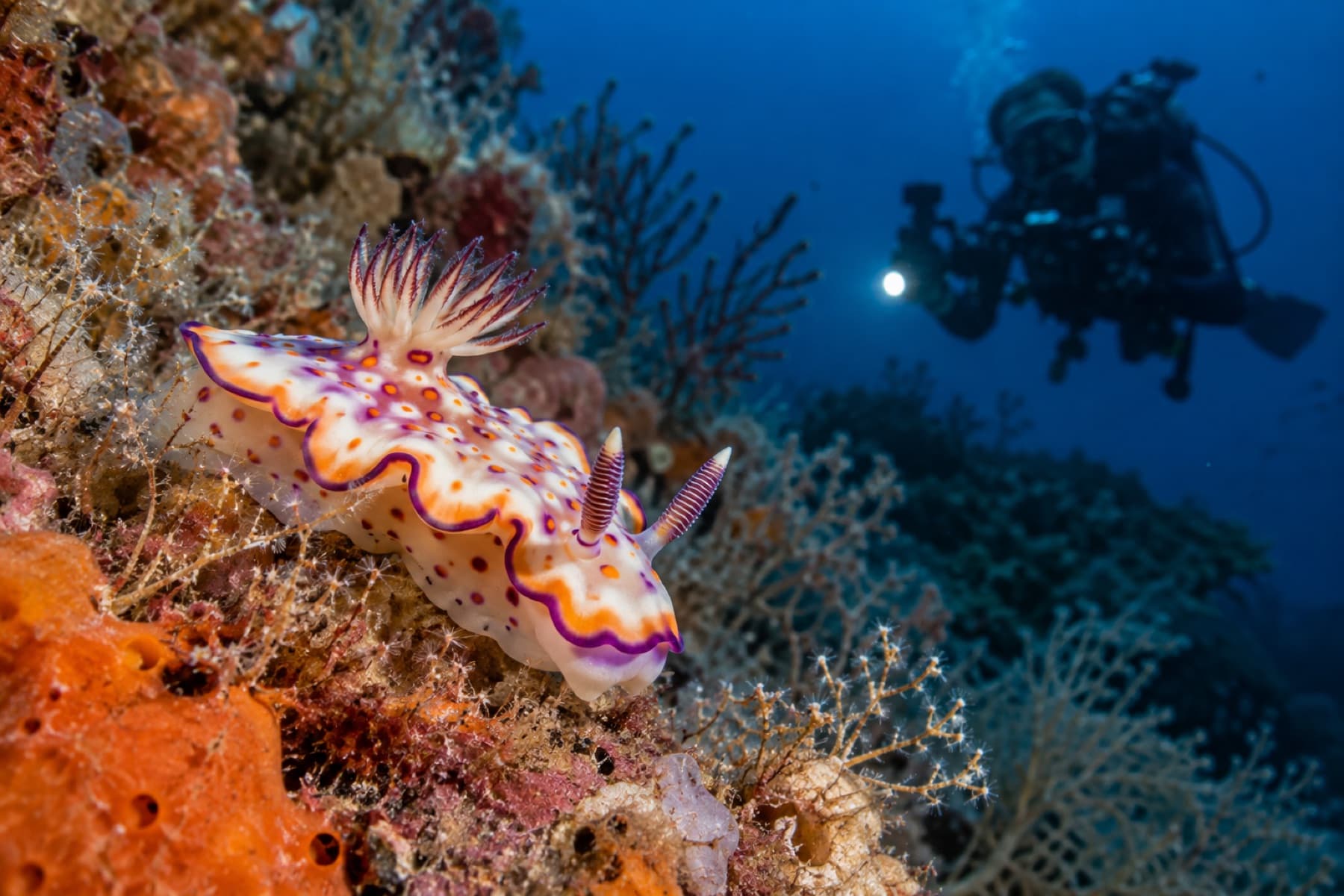 AprilArguably the best all-round diving month in the country.
 MayThe cuttlefish arrive at Whyalla, and grey nurse season builds on the east coast.
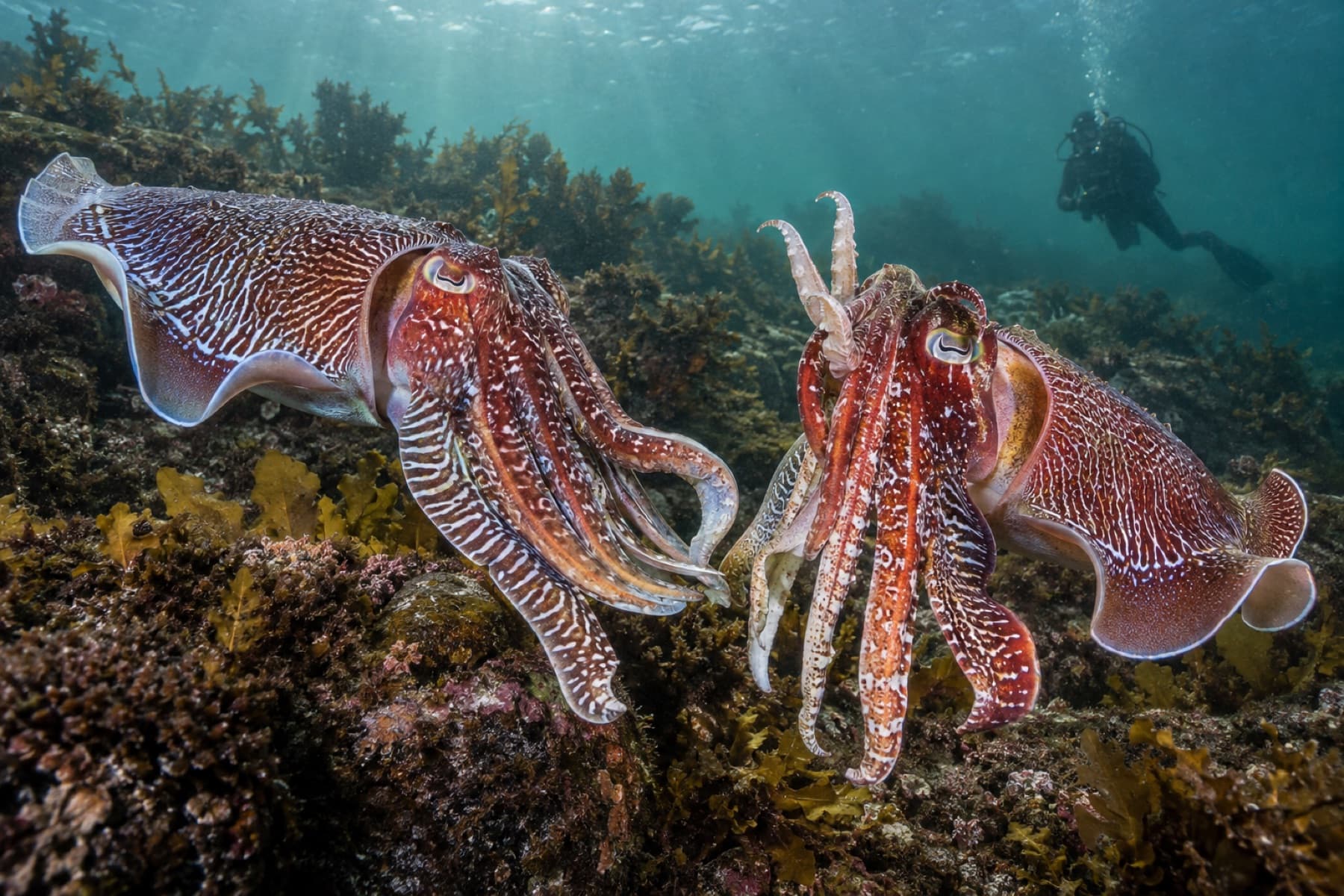 JuneMinke whales on the Ribbon Reefs, cuttlefish at Whyalla, whales migrating on both coasts.JulyPeak cuttlefish, peak minke whales, peak grey nurse — the coldest water and the best events.
 AugustThe last of the cuttlefish, humpbacks everywhere, and excellent tropical conditions.
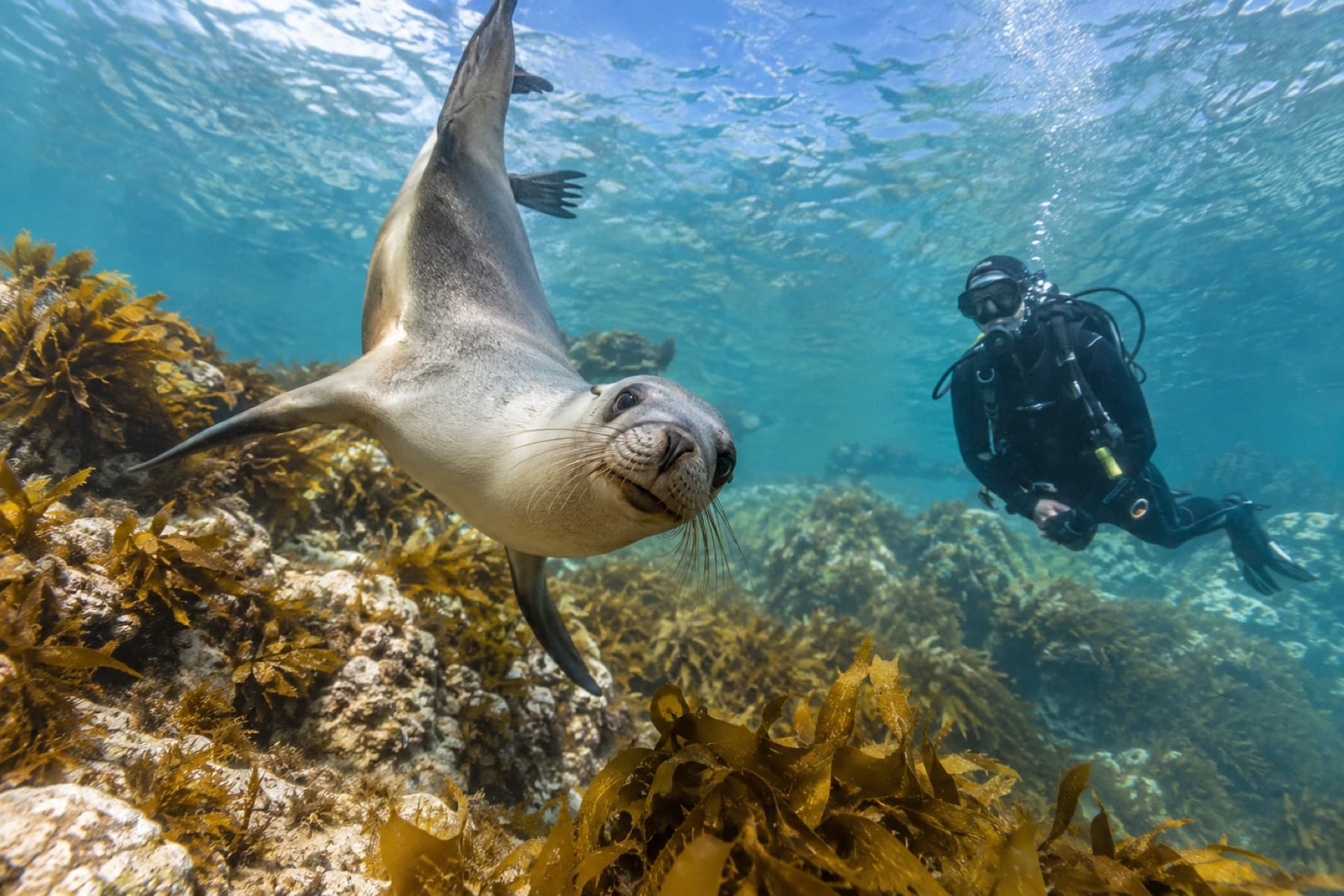 SeptemberWater starts warming, whales are still moving, and Lord Howe's season opens.
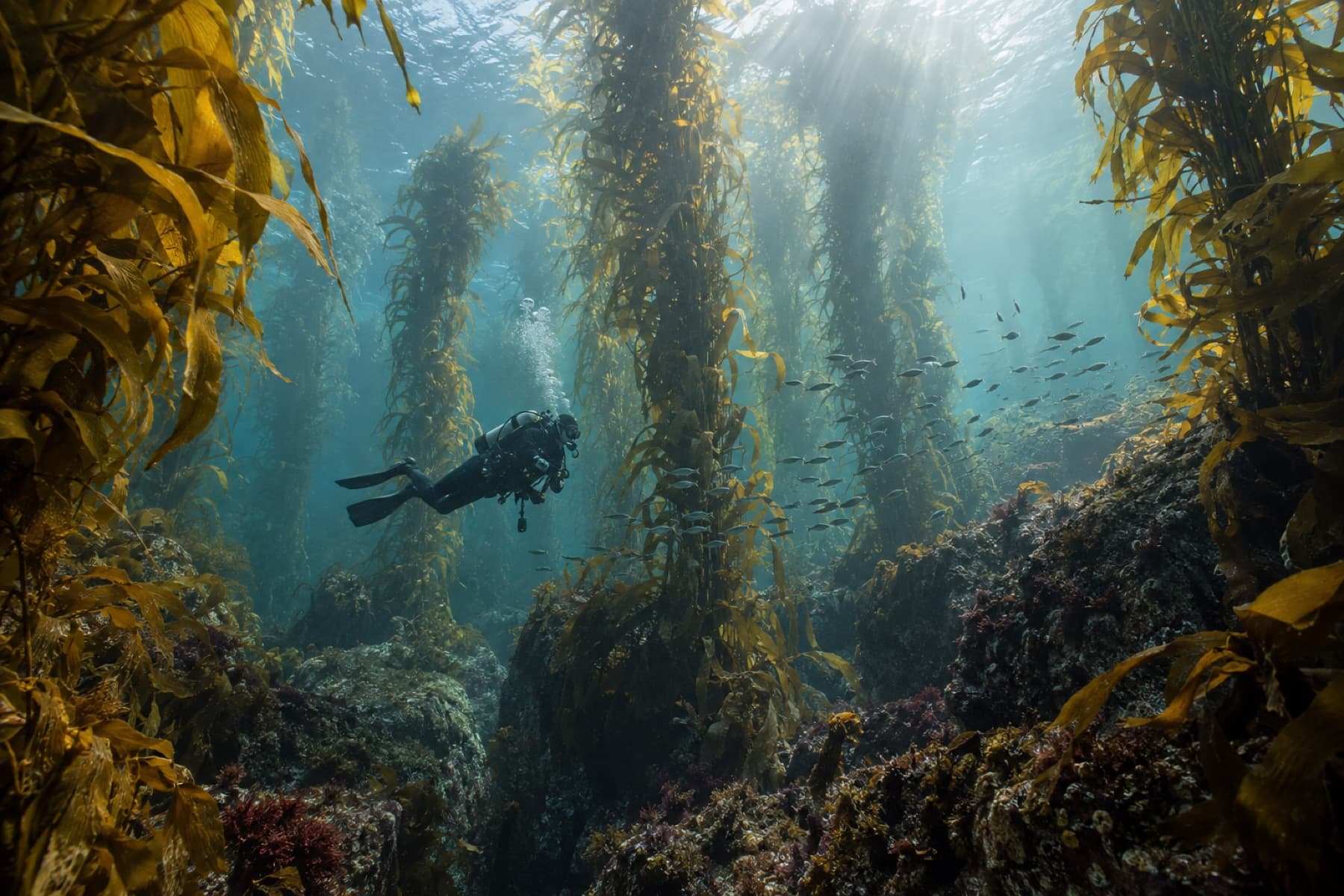 OctoberLeafy seadragon breeding, returning whales, and warming water on every coast.
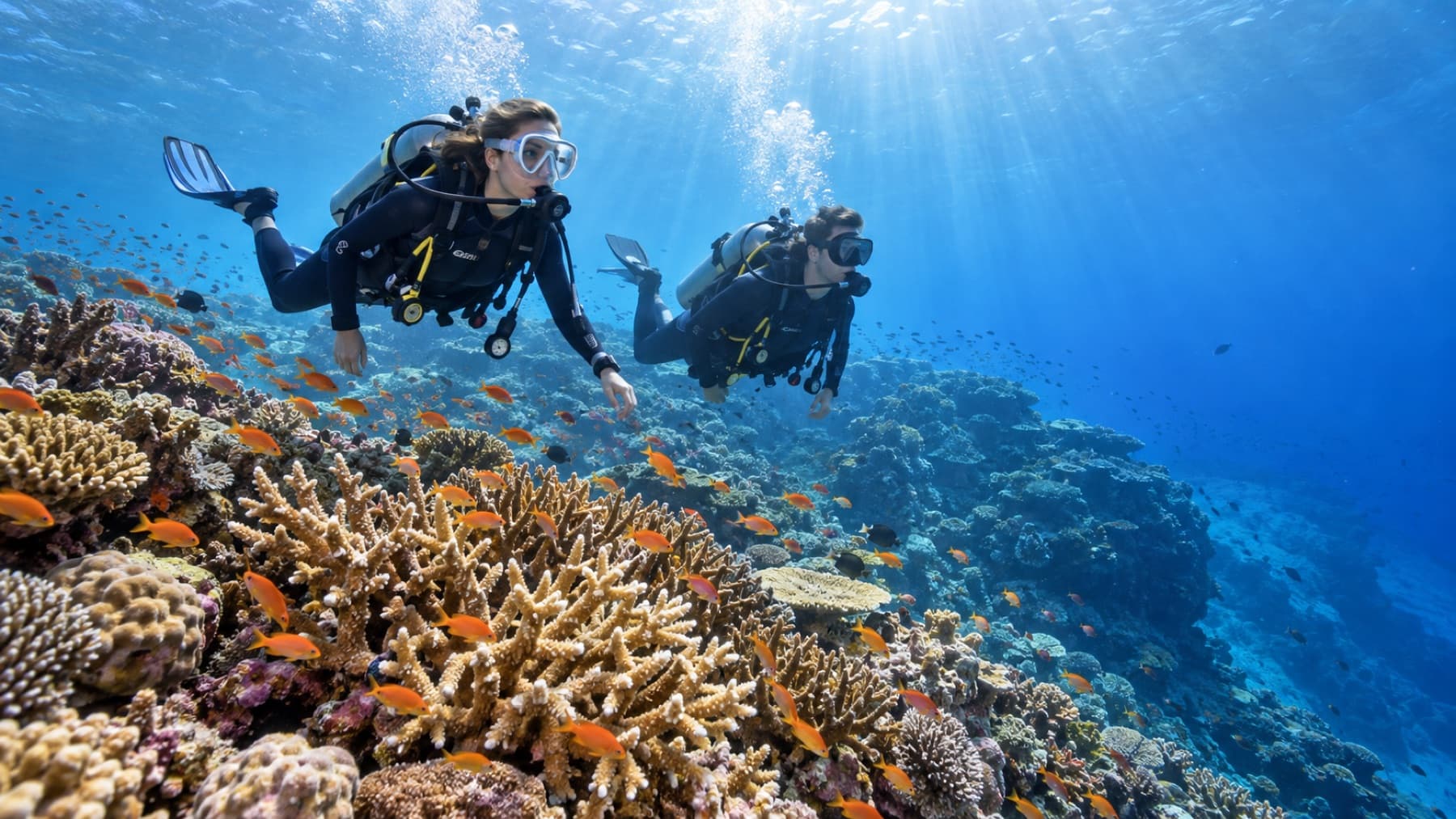 NovemberCoral spawning, turtle nesting begins, and stinger season returns to the tropics.
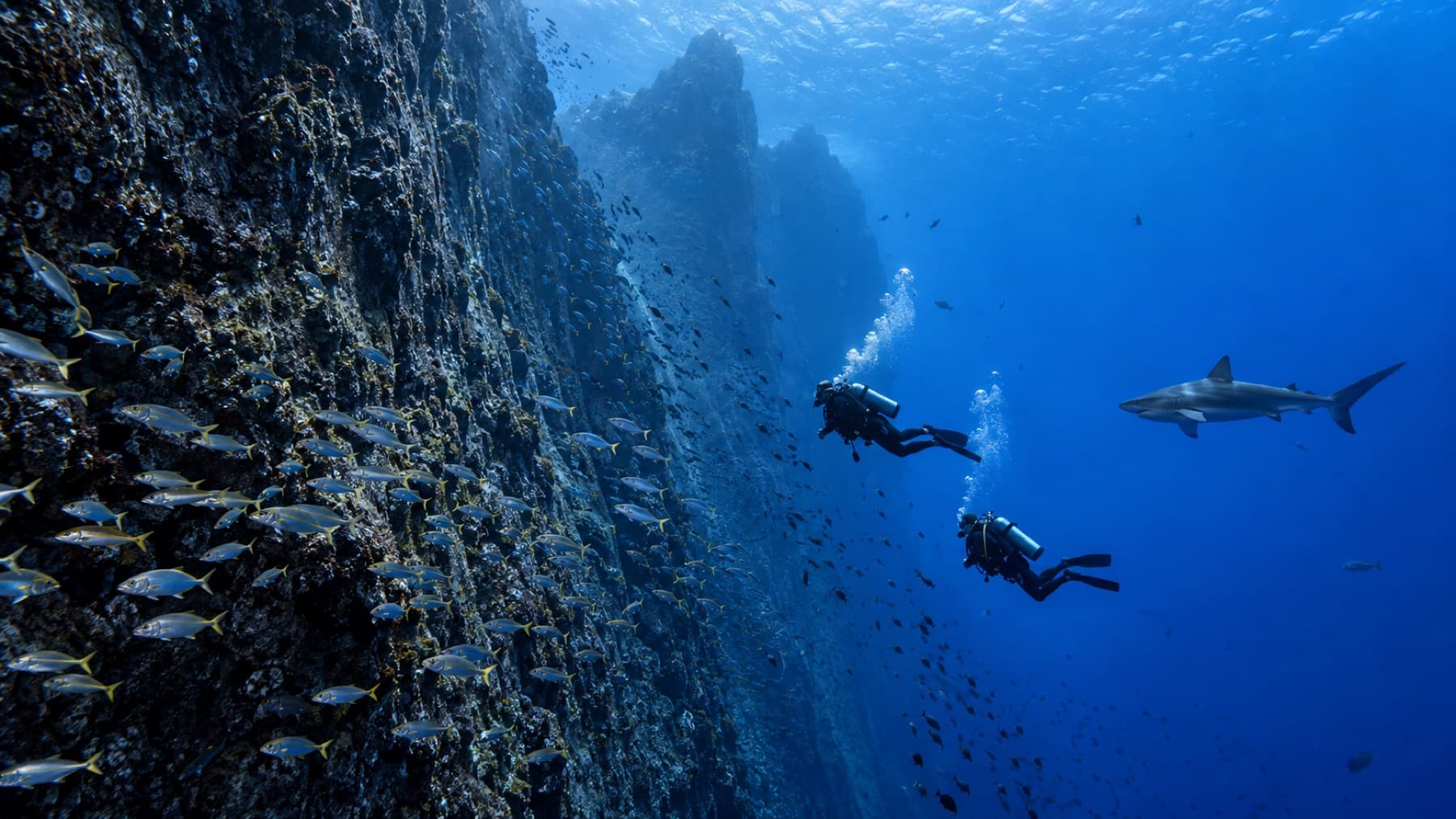 DecemberTurtle hatchlings, warm water everywhere, and the start of the tropical wet.
Australia’s defining underwater events, as a calendar. Almost none of them overlap.