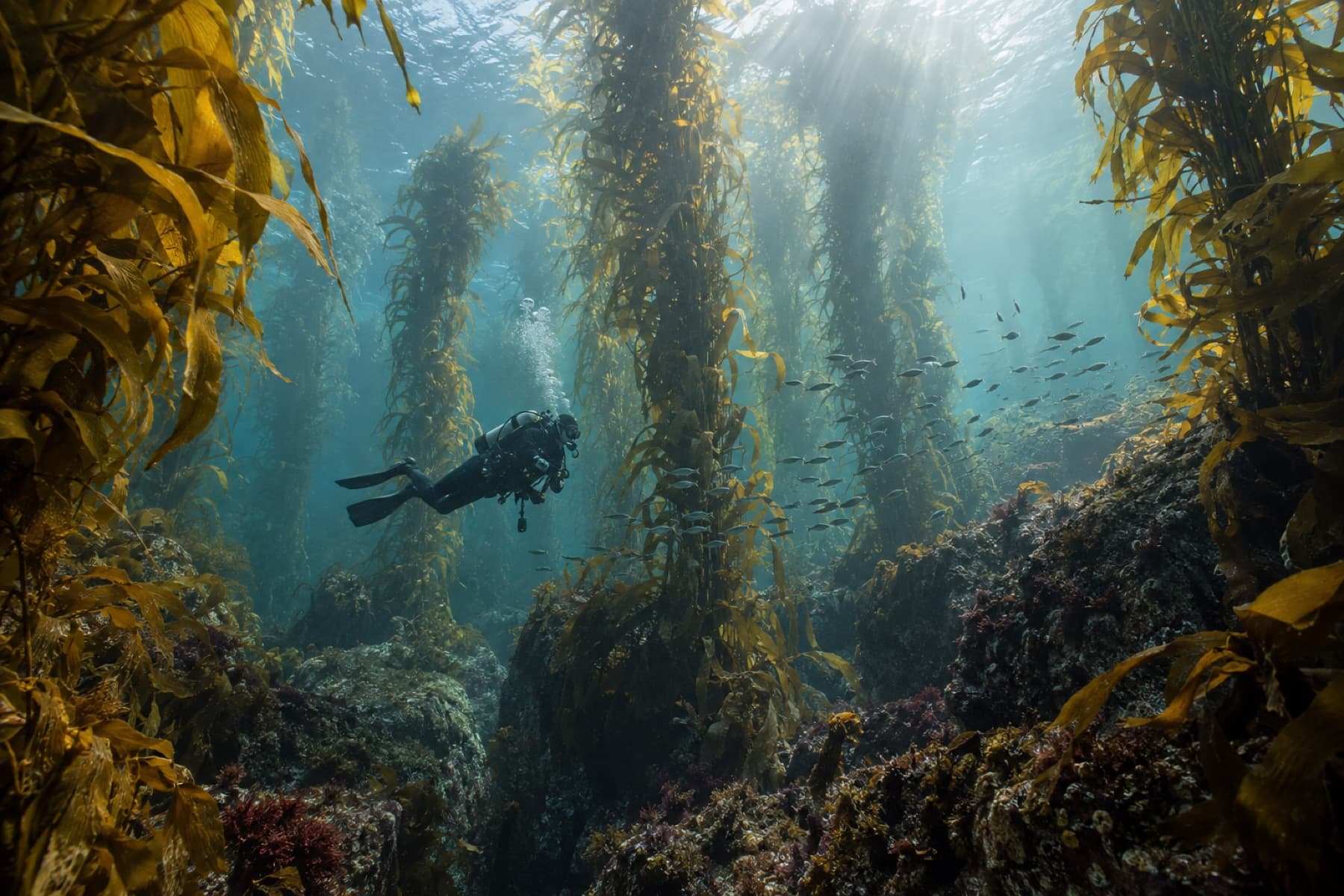
Spring
Diving Australia in September
Water starts warming, whales are still moving, and Lord Howe's season opens.
September is a transition month. Southern water begins warming, the humpback migration is returning south with calves, and Lord Howe Island's main dive season opens.
Temperate macro diving is at its most productive as spring brings nudibranch diversity and seadragon breeding activity.
The Great Barrier Reef remains in excellent dry-season condition, and it is one of the best months to dive Queensland without wet-season variables.
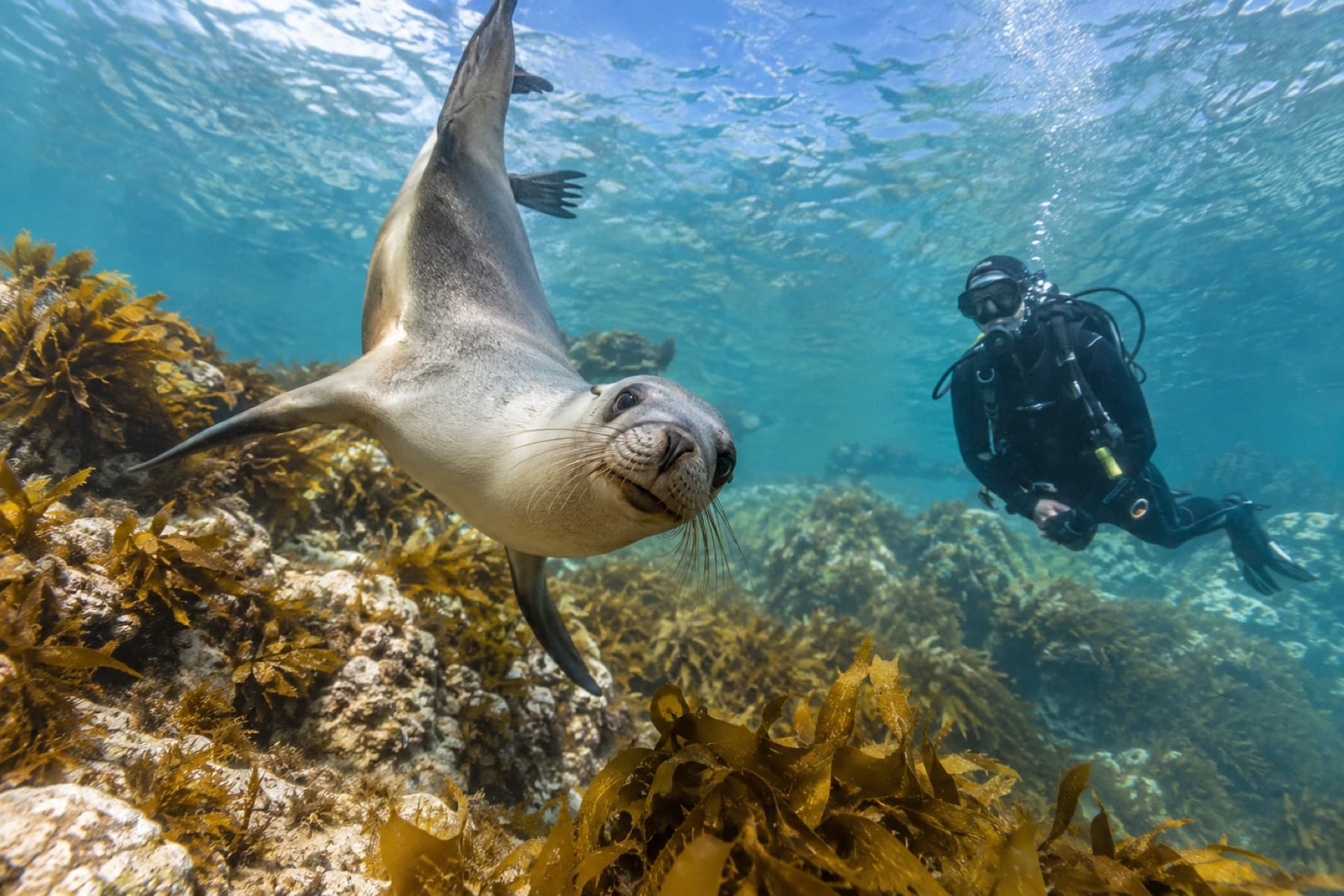
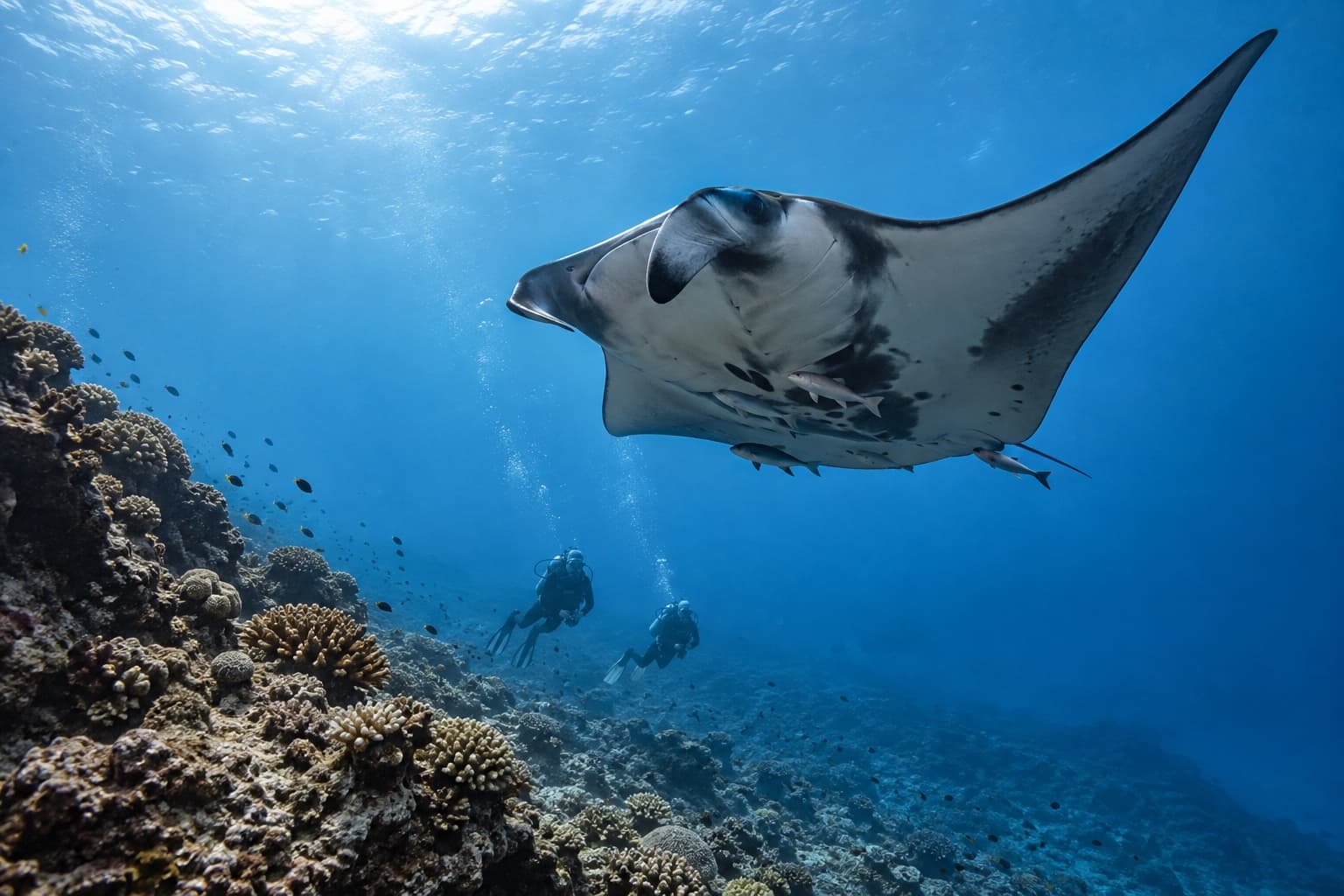 Lord Howe IslandMain dive season opens, with the most stable conditions beginning.
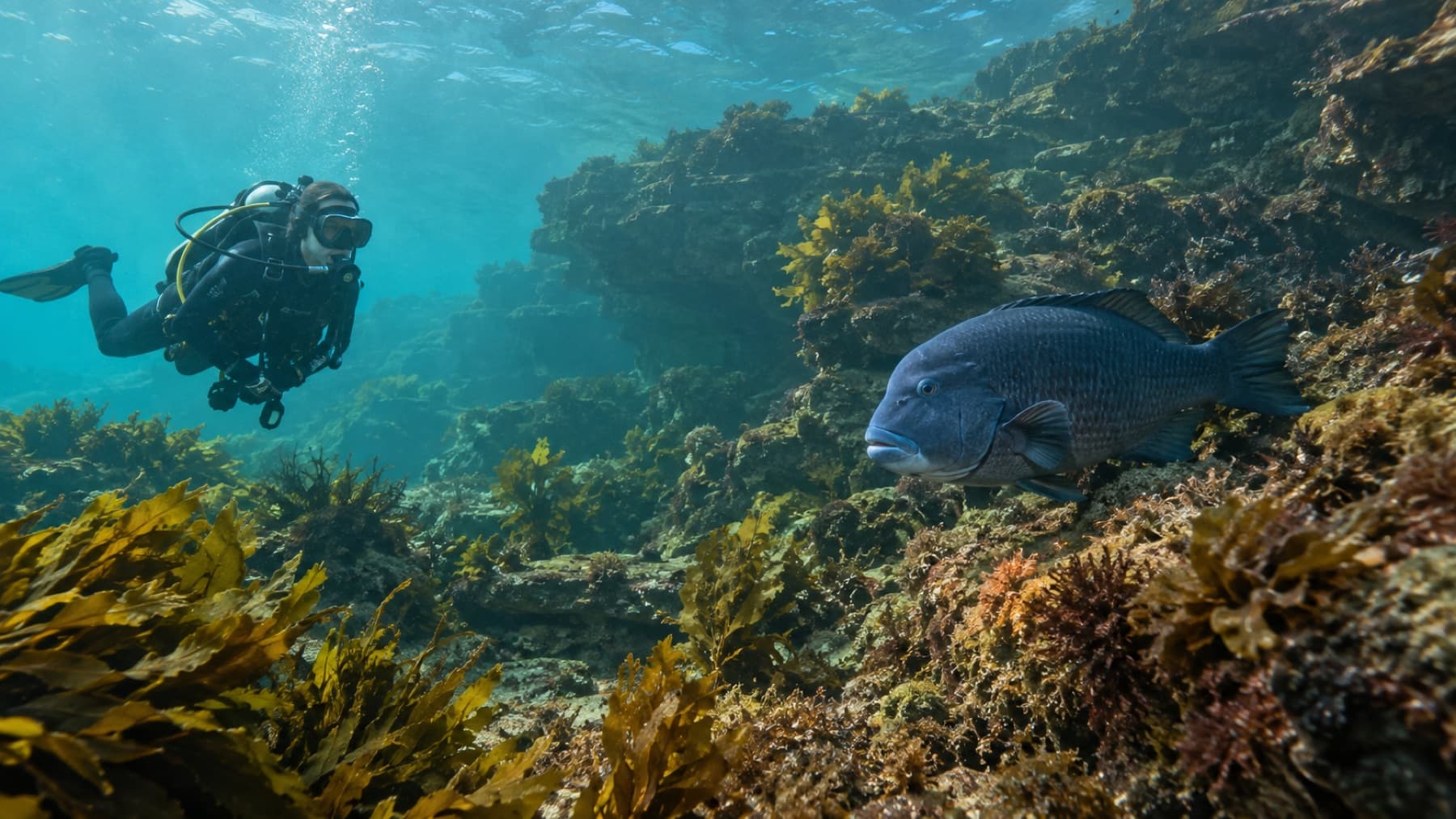 Newcastle, Nelson Bay & Port StephensSpring nudibranch diversity peaking at Fly Point.
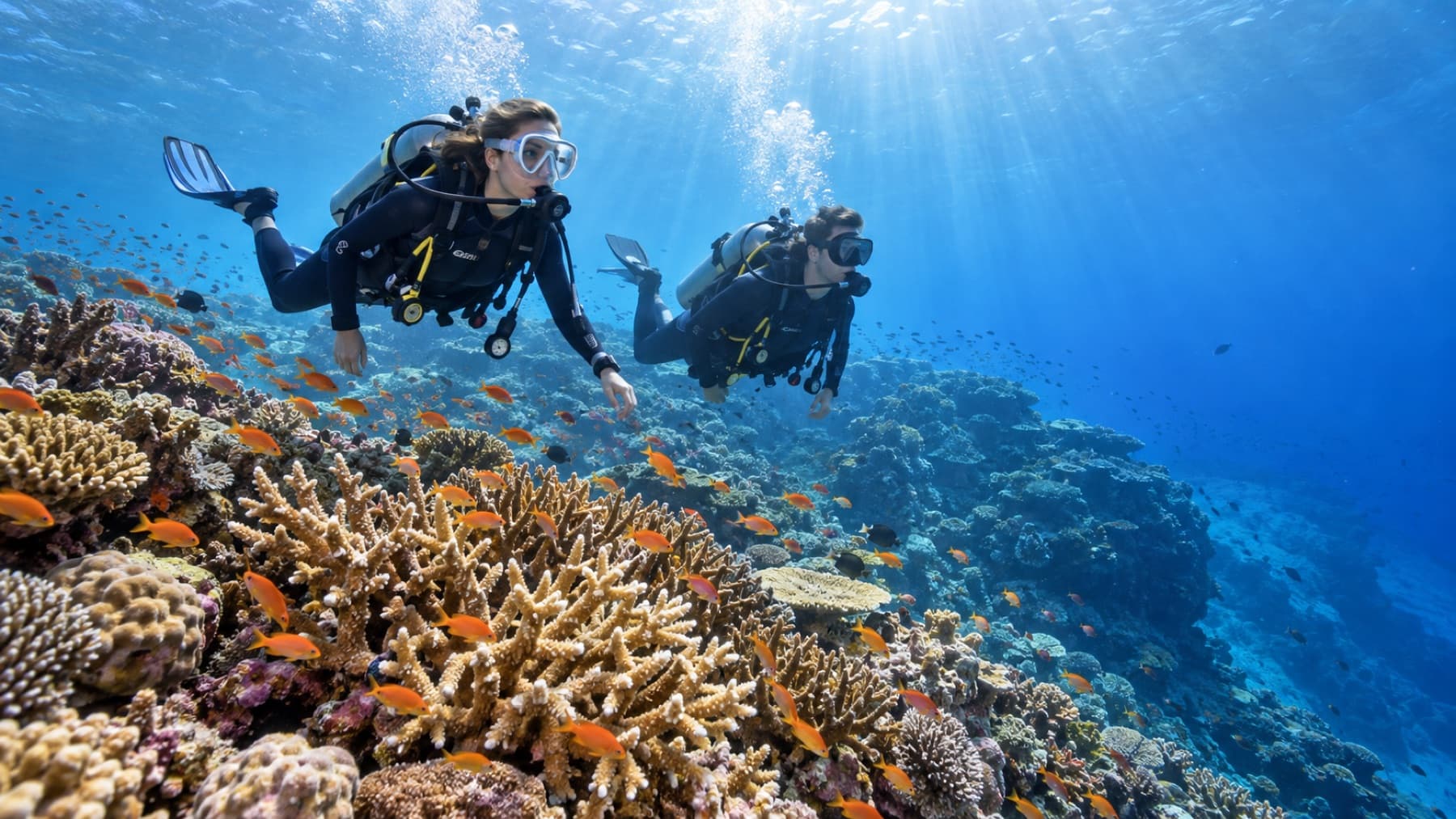 CairnsReliable dry-season reef conditions with fewer crowds than mid-winter.
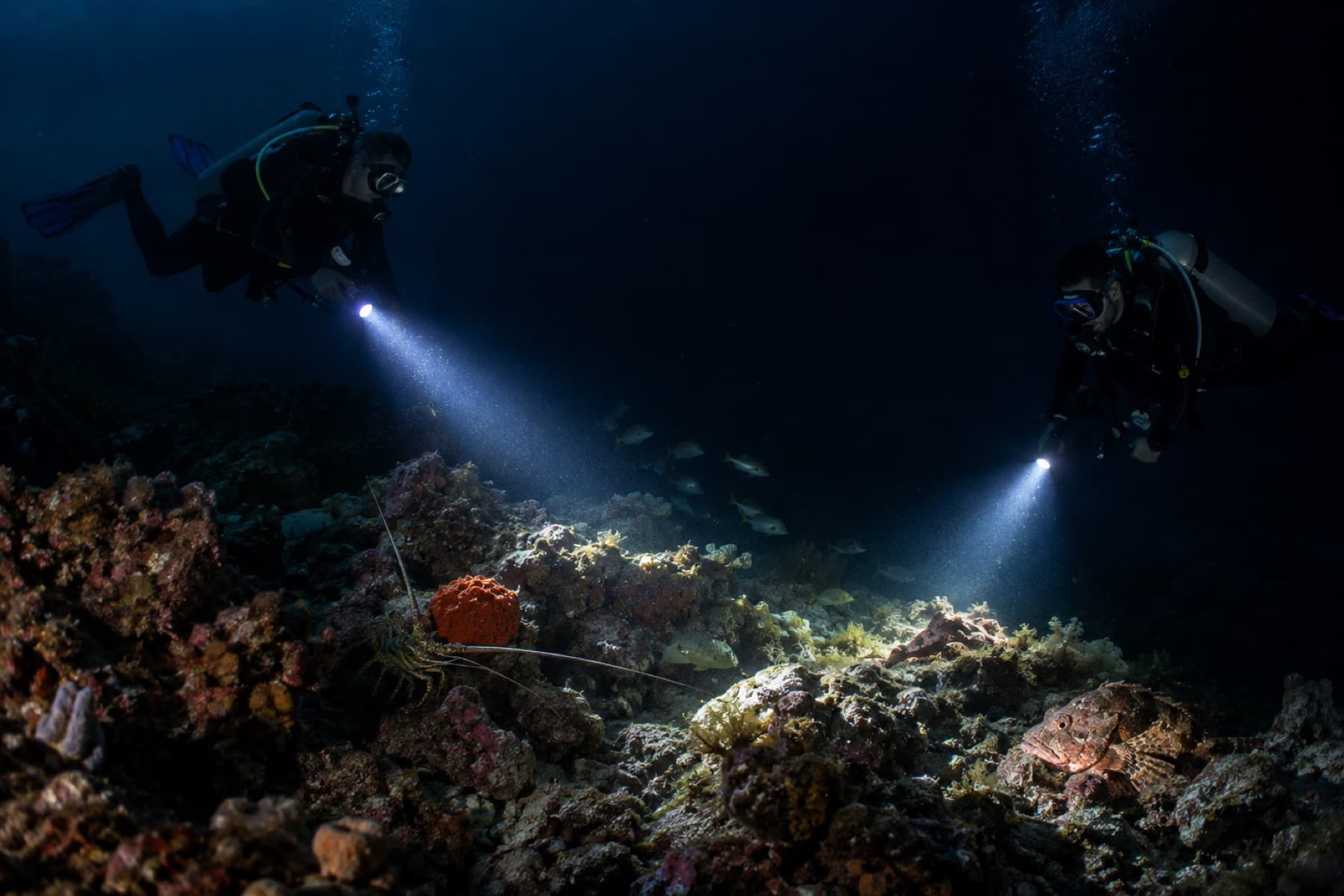 BichenoSponge gardens at their most colourful with good winter clarity holding.
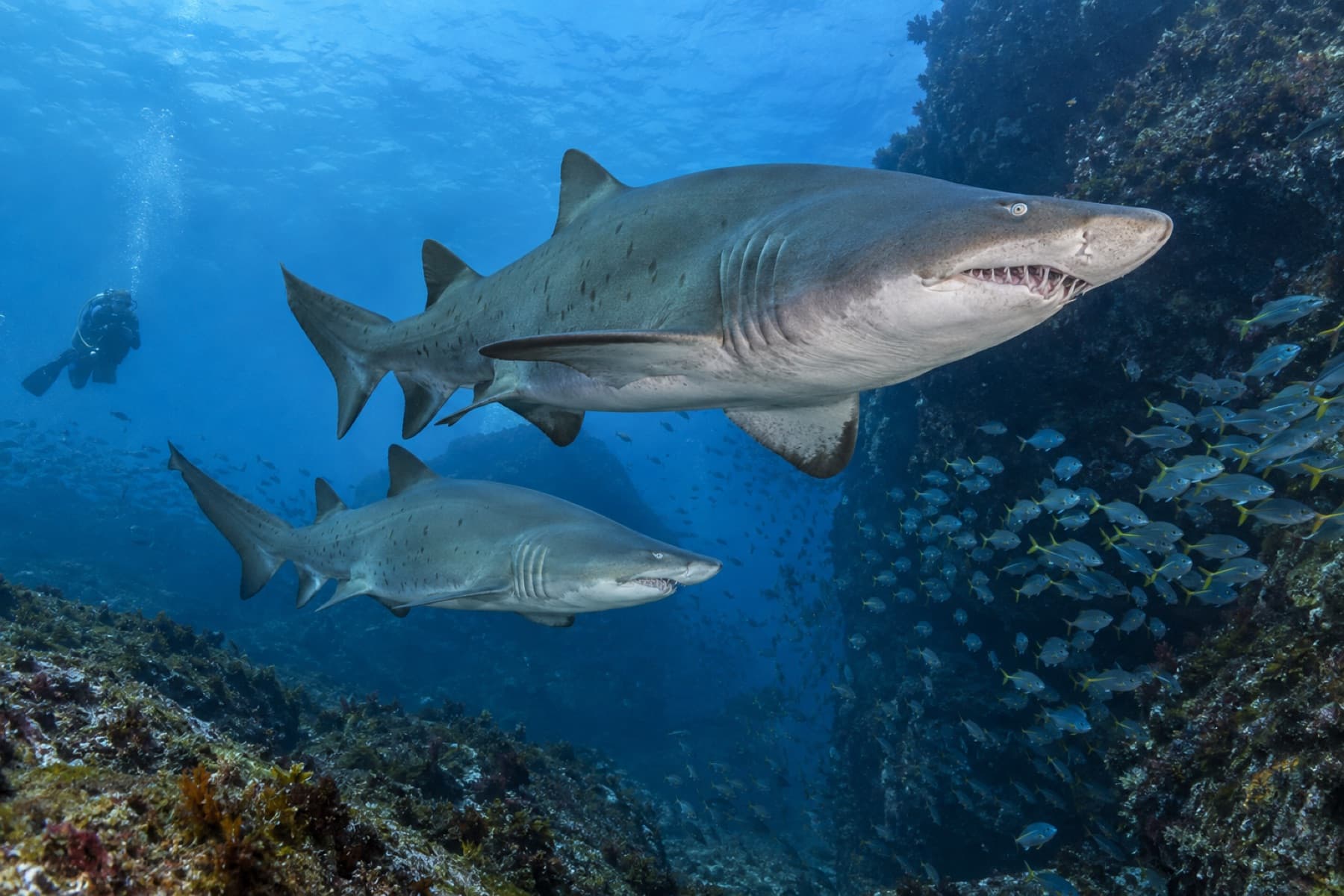 Grey Nurse SharkAustralia's most recognisable dive shark — ragged teeth, entirely harmless, and critically endangered on the east coast.
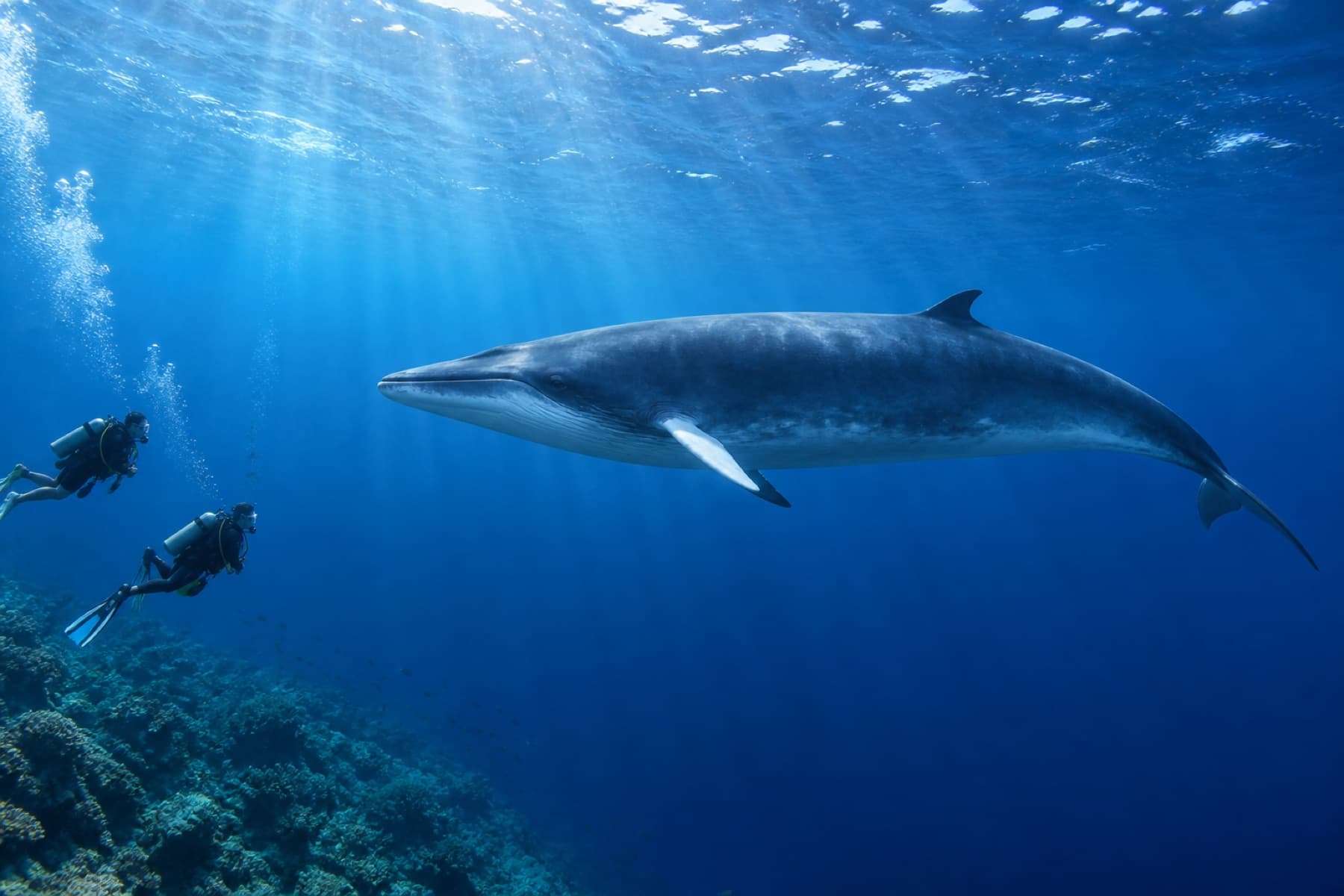 Humpback WhaleHeard far more often than seen — the soundtrack to winter diving on both Australian coasts.
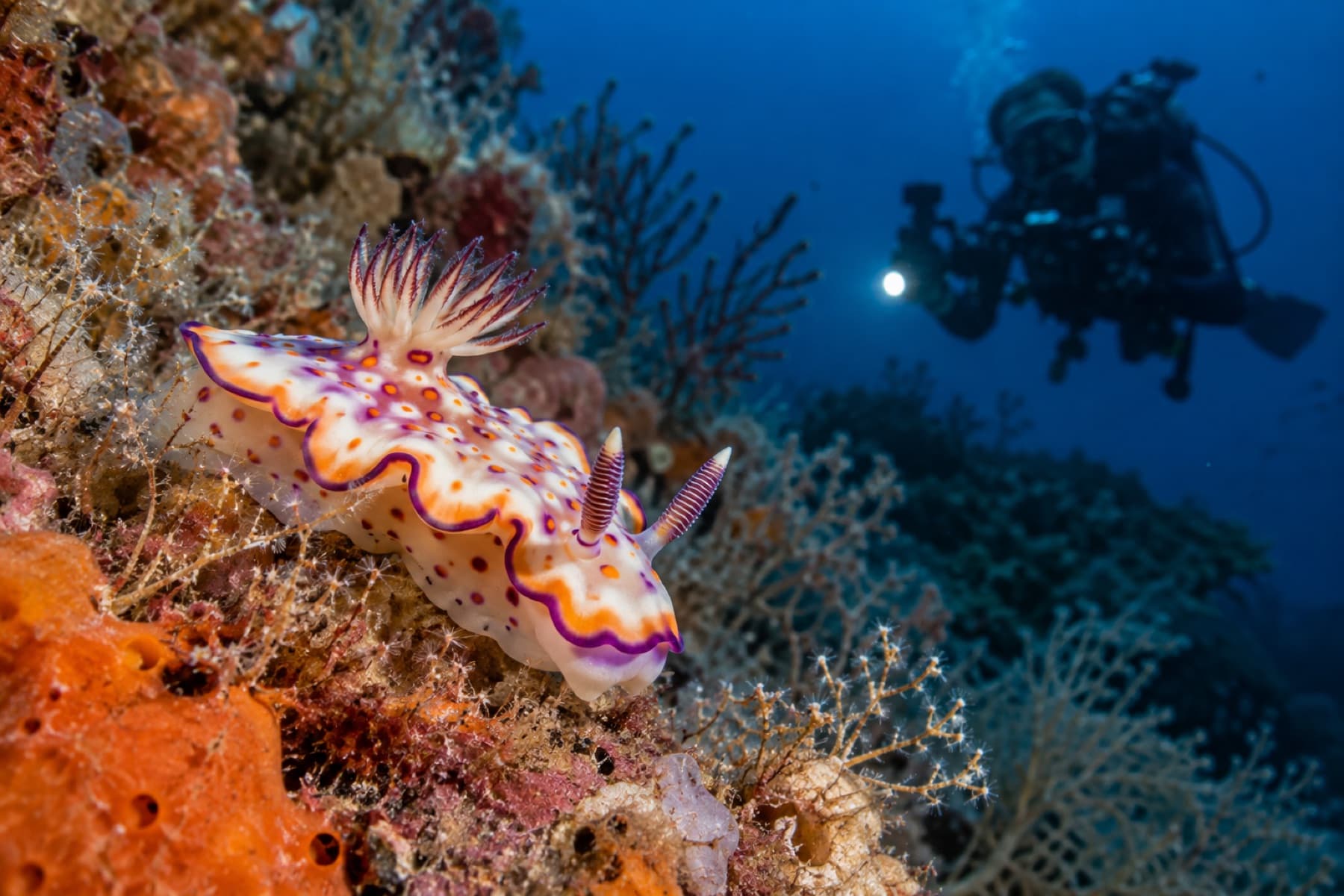 NudibranchsSea slugs of absurd colour and variety — the reason temperate Australian macro diving has a global reputation.
 Spotted HandfishA critically endangered Tasmanian fish that walks on its fins and lives almost nowhere.
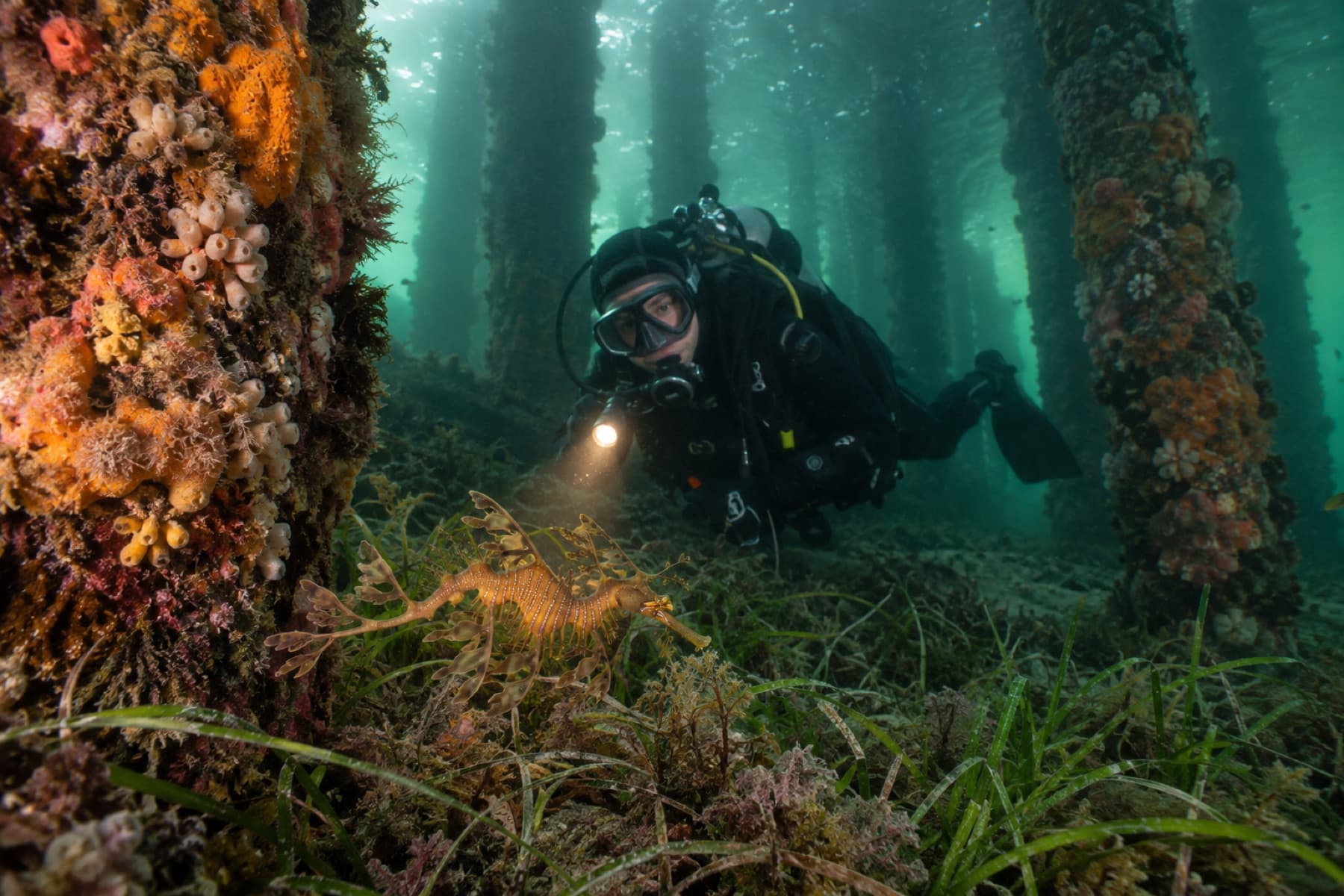 Weedy SeadragonThe leafy's more widespread cousin — the signature animal of Sydney and Victorian shore diving.
Also good in September
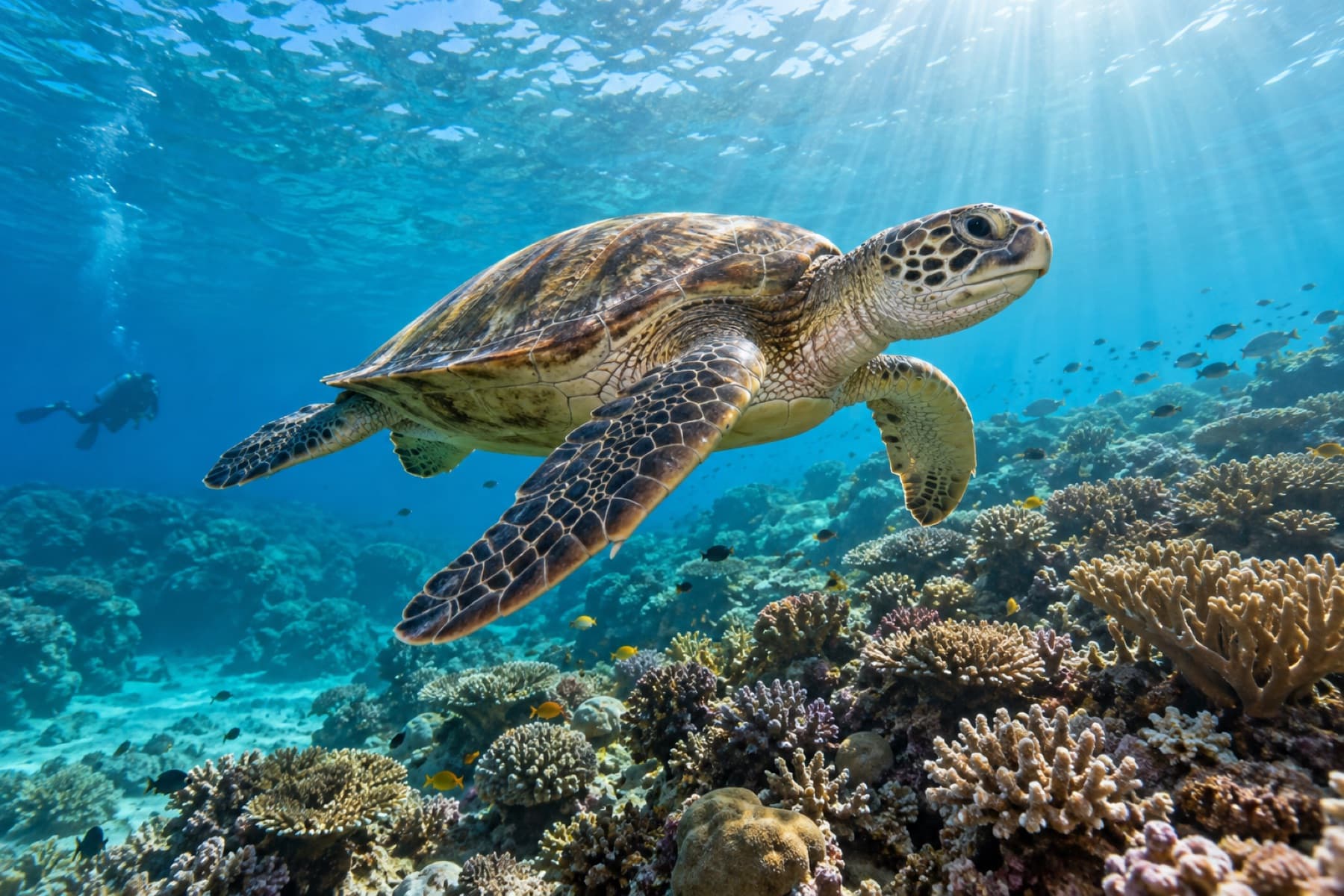
Australian & New Zealand Fur SealsFast, acrobatic and endlessly curious — the highlight of Montague Island, Jervis Bay and Port Phillip.Australian Sea LionEndangered, endemic, and among the most genuinely playful animals a diver can meet.Eastern Blue GroperNew South Wales' state fish — large, inquisitive and often the first thing to greet a Sydney shore diver.Giant Kelp ForestTasmania's underwater forests — dramatically diminished, and worth seeing while they remain.Great White SharkEncountered in Australia from a cage at the Neptune Islands — wildlife tourism rather than scuba diving.Green TurtleThe most commonly encountered turtle on Australian reefs, and a reliable sight at Cook Island and the southern Great Barrier Reef.Leafy SeadragonSouth Australia's emblem and the most elaborately camouflaged fish in the world.Loggerhead TurtleHeavier-headed and less common than the green turtle, with a nationally significant nesting population near Bundaberg.Manta RayReef mantas at cleaning stations — Lady Elliot and Ningaloo are the most reliable encounters in Australia.
Grey Nurse Shark
J
F
M
A
M
J
J
A
S
O
N
D
possible good peak
Humpback Whale
J
F
M
A
M
J
J
A
S
O
N
D
possible good peak
Nudibranchs
J
F
M
A
M
J
J
A
S
O
N
D
possible good peak
Spotted Handfish
J
F
M
A
M
J
J
A
S
O
N
D
possible good peak