Australian diving guide
How to Choose a Technical Diving Instructor
Evaluate current diving, configuration, failure standards, mentoring and local support before comparing agency logos.
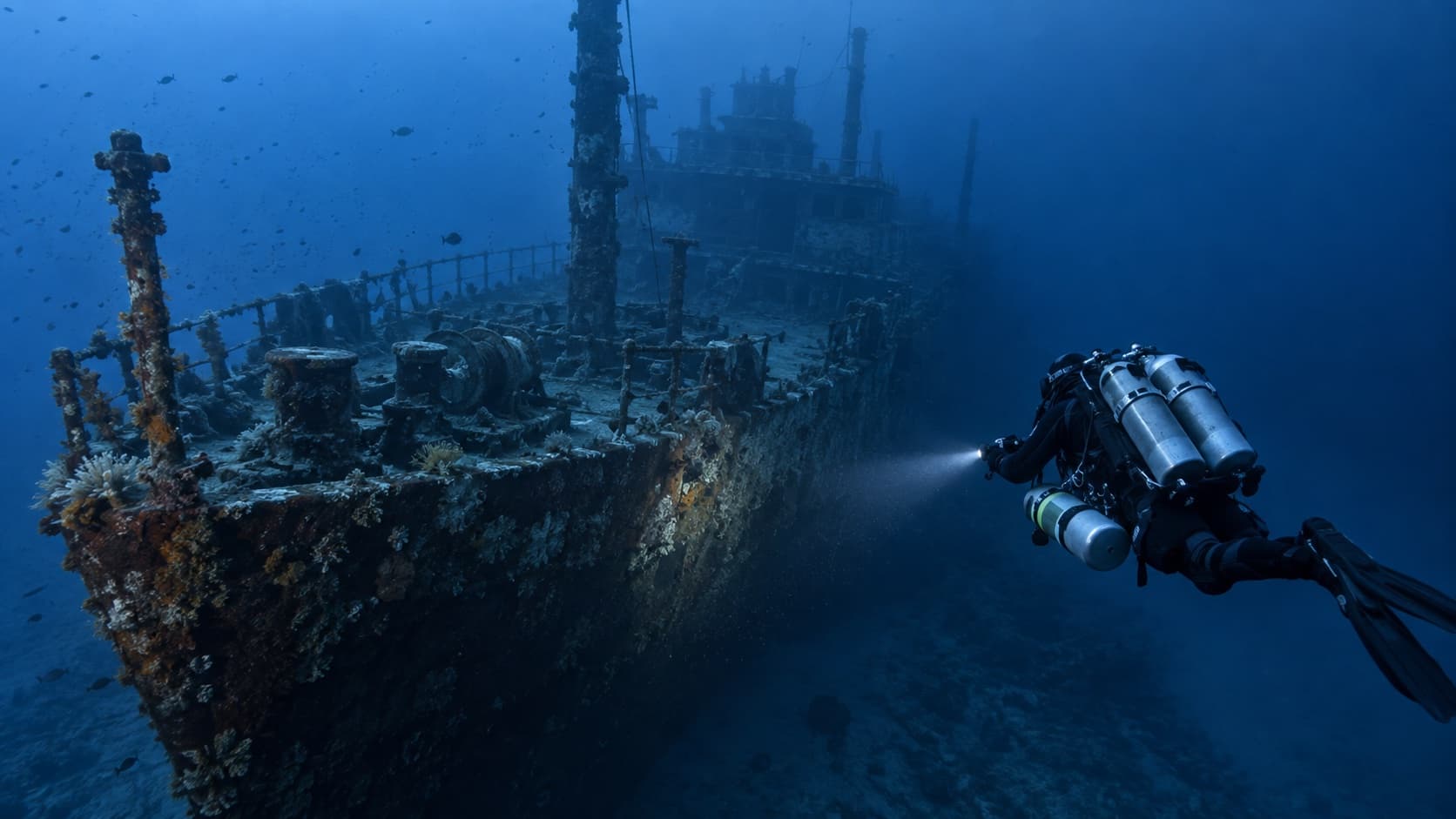
Technical training transfers very little margin for weak fundamentals. The instructor's current diving, judgement and local support matter at least as much as the course label.
A good conversation should make limits and failure criteria clearer, not turn every concern into a sales reassurance.
Ask how often the instructor teaches the course, dives the configuration and uses the gases or unit involved. Instructor certification alone does not describe current practice.
- recent course numbers
- personal dives at the target level
- unit or configuration hours
- local site experience
- continuing education and peer community
Ask what causes remediation, an additional dive or non-certification. Clear performance thresholds protect the student from a card-first course.
Technical competence needs teammates, gas, cylinders, sites and ongoing practice. Prefer a pathway that can be sustained locally after the course.
Frequently asked questions
Which technical agency is best?
No agency guarantees the strongest local instructor. Compare the exact course limits, instructor and support ecosystem.
Should technical training be intensive?
It should be demanding but controlled. Stress is used to verify skills, not to replace teaching or create theatre.
What if I do not meet the standard?
A responsible programme explains remediation, additional dives and certification decisions before training begins.