Choose the experience
Start with the diving, not the logo
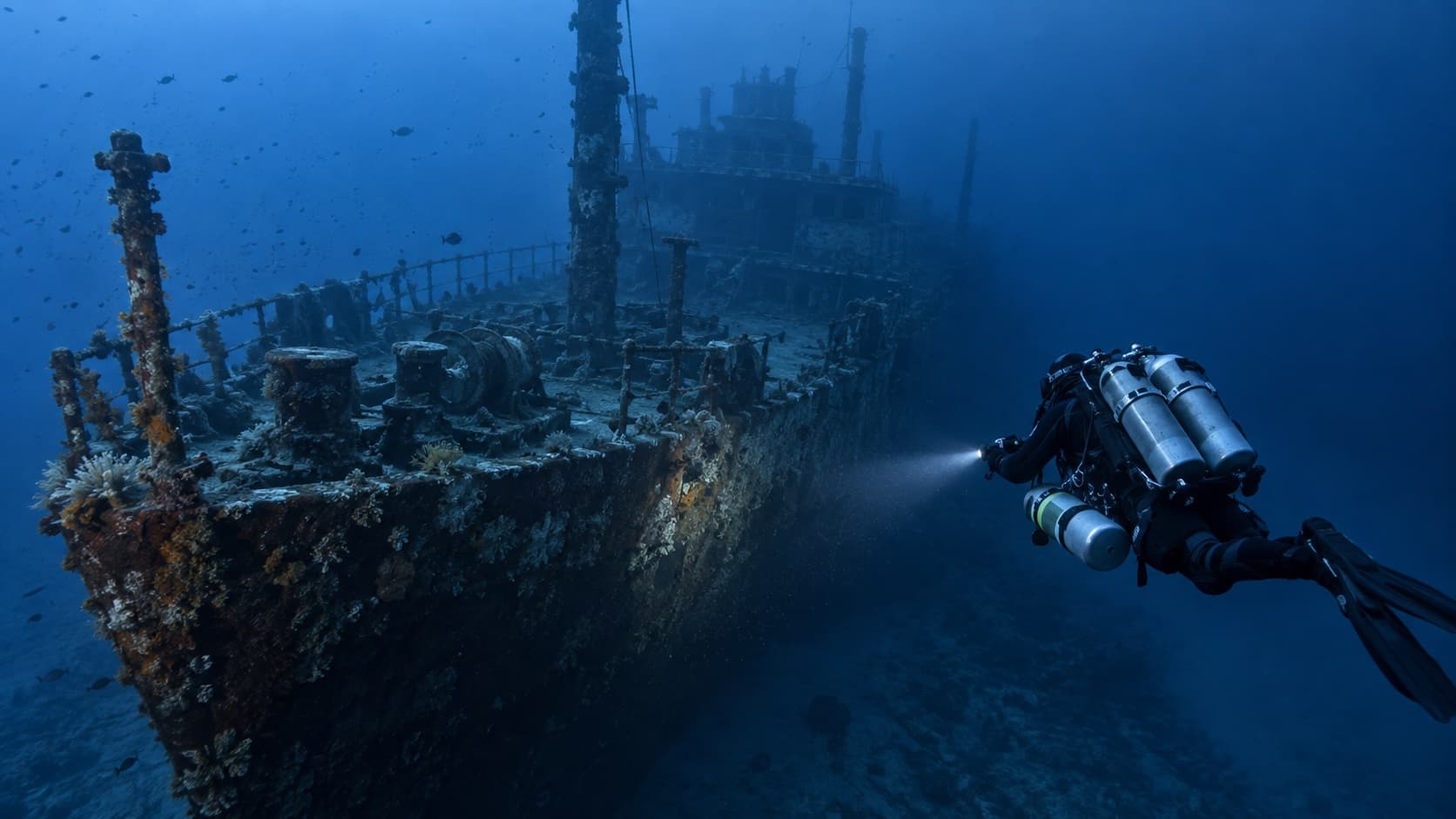
Hobart is documented for temperate reef, kelp, training, drysuit and shore. Compare operators by the sites, schedule, group model and support your planned dives require.
Tasmania
Tasmania's training, retail and equipment-support hub, and the base for Tasman Peninsula diving.
Hobart is Tasmania's natural training, retail and equipment-support hub, and the practical base for most diving on the Tasman Peninsula and in the D'Entrecasteaux Channel.
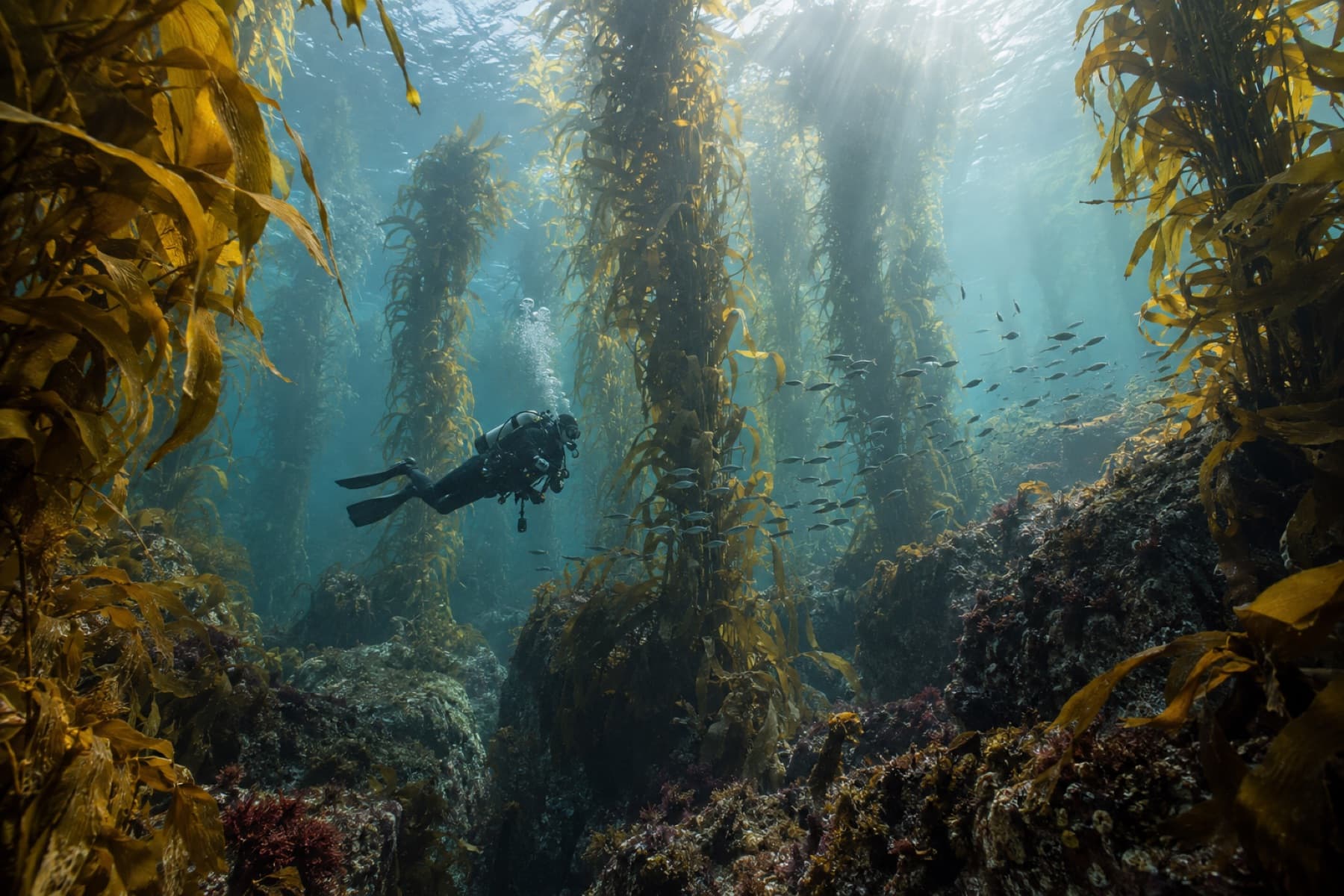
Local diving includes the channel, Bruny Island and sheltered sites within reach of the city, along with temperate reef and kelp environments that are characteristic of the state.
Because Tasmanian diving is cold-water diving, the local market places unusual weight on exposure protection, drysuit support and cylinder services.
| Water temperature | Roughly 11–18°C. |
|---|---|
| Visibility | Commonly 10–20 m, often better in winter. |
| Season | Year-round. |
| Diving types | Temperate reef, Kelp, Training, Drysuit, Shore |
| Businesses documented | 4 |
| Dive sites documented | 1 |
Choose the experience
Hobart is documented for temperate reef, kelp, training, drysuit and shore. Compare operators by the sites, schedule, group model and support your planned dives require.
Time the visit
Year-round. Visibility: Commonly 10–20 m, often better in winter.
Build the shortlist
This guide connects 4 documented businesses and 1 dive site. Read the individual profiles, then verify availability and suitability with the operator.
Useful next reads: interpreting dive conditions, exposure protection and the Australian packing list.
The questions that matter in a cold-water market are different from those in a tropical one.
Divers need to understand how exposure protection affects the entire dive rather than only comfort. A thick wetsuit or drysuit changes weighting, buoyancy, trim, mobility, gas consumption and task loading at the same time.
A diver certified entirely in warm water may benefit from an orientation before independently diving Tasmania — not because Tasmanian diving is dangerous, but because managing four new variables simultaneously is easier with an instructor present.
Each profile separates what is verified from what is advertised, and lists the questions still worth asking the operator directly.
Use these guides to match the region to the right season, experience level and style of diving.
Before you book
Capabilities and requirements change. Read how to choose a dive centre for what to actually evaluate, and confirm certification requirements, equipment hire and conditions directly with the operator before travelling.
Year-round.
Water temperature: Roughly 11–18°C.. Visibility: Commonly 10–20 m, often better in winter.. These are planning ranges rather than guarantees for a particular dive.
This directory currently connects 4 businesses with 1 documented dive site. Read individual profiles because training, boats, equipment and gas services differ.
Beginner training or beginner-classified sites are documented in the region. Suitability still depends on the exact site, weather, supervision and the diver's comfort on the day.
Match the operator to the intended site and support required. Compare current schedule, group size, guiding, equipment, cancellation terms and how the operation assesses recent experience.