
Choose the experience
Start with the diving, not the logo
Kangaroo Island is documented for temperate reef, wreck, wildlife and island. Compare operators by the sites, schedule, group model and support your planned dives require.
South Australia
Temperate reef, wrecks and wildlife diving around Australia's third-largest island.
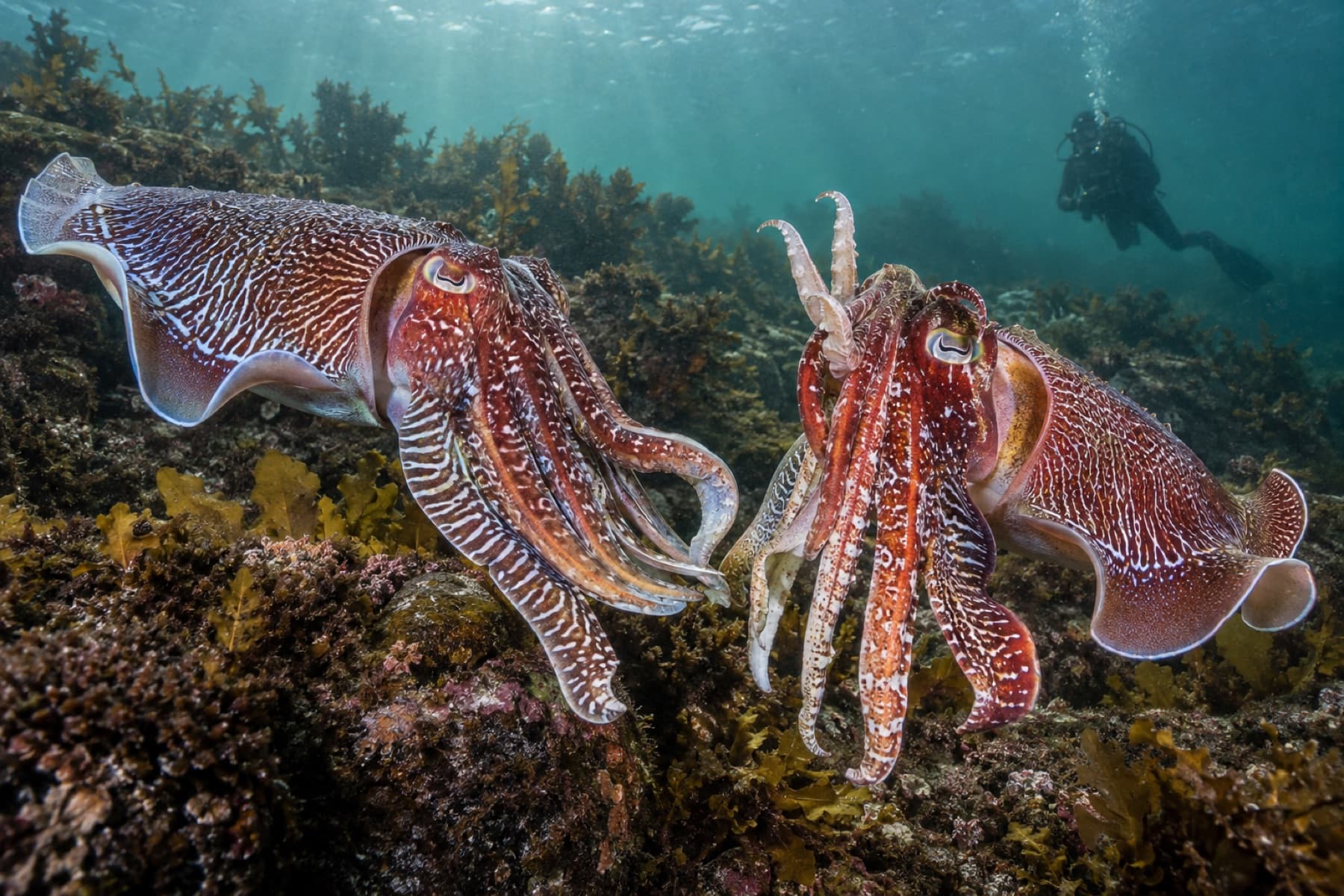
Kangaroo Island offers temperate reef diving, wrecks, leafy seadragons and wildlife encounters in an island setting that is considerably less dived than its reputation as a tourism destination would suggest.
The island's exposed southern and western coasts face the Southern Ocean, while the north coast offers more sheltered conditions — which effectively gives the island two different diving environments depending on the wind.
Content for the region should address island logistics, weather, boat travel, temperate marine life, equipment and seasonality, because all of these shape whether a trip works.
| Water temperature | Roughly 14–20°C. |
|---|---|
| Visibility | Commonly 10–25 m in settled conditions. |
| Season | Summer and autumn generally offer the most reliable conditions. |
| Diving types | Temperate reef, Wreck, Wildlife, Island |
| Businesses documented | 1 |
| Dive sites documented | 0 |
Choose the experience
Kangaroo Island is documented for temperate reef, wreck, wildlife and island. Compare operators by the sites, schedule, group model and support your planned dives require.
Time the visit
Summer and autumn generally offer the most reliable conditions. Visibility: Commonly 10–25 m in settled conditions.
Build the shortlist
This guide connects 1 documented business and 0 dive sites. Read the individual profiles, then verify availability and suitability with the operator.
Useful next reads: interpreting dive conditions, exposure protection and the Australian packing list.
Ferry schedules, accommodation and the limited number of dive operations mean a Kangaroo Island dive trip needs more planning than a mainland weekend.
Weather flexibility is essential — the island's best sites are on the exposed coasts.
Each profile separates what is verified from what is advertised, and lists the questions still worth asking the operator directly.
Use these guides to match the region to the right season, experience level and style of diving.
Before you book
Capabilities and requirements change. Read how to choose a dive centre for what to actually evaluate, and confirm certification requirements, equipment hire and conditions directly with the operator before travelling.
Summer and autumn generally offer the most reliable conditions.
Water temperature: Roughly 14–20°C.. Visibility: Commonly 10–25 m in settled conditions.. These are planning ranges rather than guarantees for a particular dive.
This directory currently connects 1 business with 0 documented dive sites. Read individual profiles because training, boats, equipment and gas services differ.
No beginner-specific option is established by this page. That does not prove none exists; ask an operator which sheltered site and supervision are appropriate.
Match the operator to the intended site and support required. Compare current schedule, group size, guiding, equipment, cancellation terms and how the operation assesses recent experience.