How many dive schools teach beginners in Byron Bay?
This directory lists 2 businesses in Byron Bay that offer entry-level scuba training, teaching PADI and SSI courses. There may be others we have not yet researched.
Learn to dive · New South Wales
2 dive schools in Byron Bay teach entry-level scuba courses. Compare who teaches which agency, who has a pool or a boat of their own, and what the water is like where you will train.
| Dive schools listed | 2 |
|---|---|
| Agencies taught | PADI, SSI |
| Schools with their own pool | 2 of 2 |
| Schools with their own boat | 2 of 2 |
| Also train Divemasters or instructors | 1 of 2 |
| Water temperature | Roughly 19–26°C, warmest February to April. |
| Visibility | Commonly 10–30 m, best when the East Australian Current runs. |
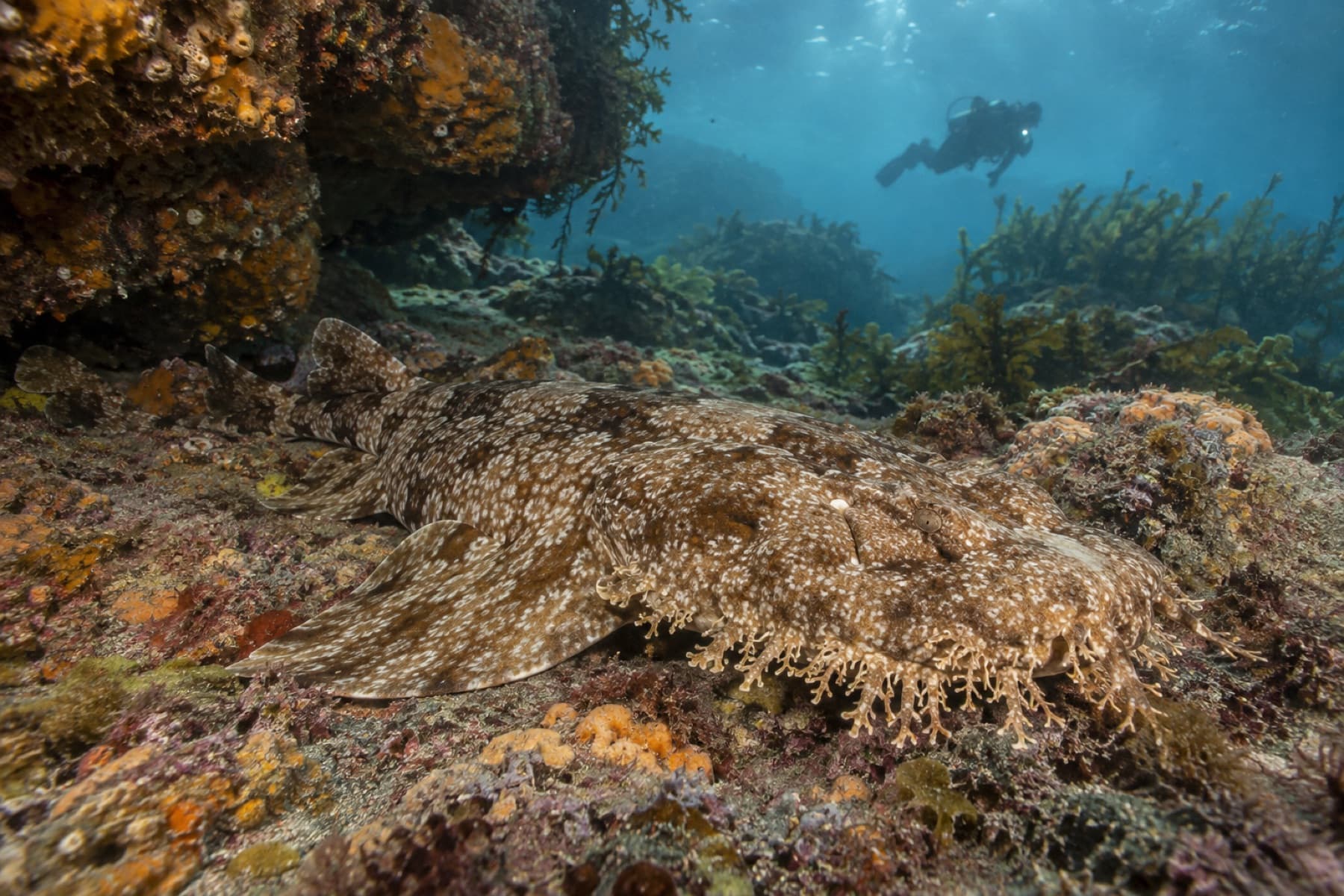
| Season | Year-round. Leopard sharks and manta rays broadly summer; grey nurse sharks more associated with cooler months, roughly June to November. |
“Not listed” means the school’s own website does not say either way. Ask before you book.
| Dive school | Agencies | Own pool | Own boat | Advanced courses | Gear hire |
|---|---|---|---|---|---|
| Sundive Byron Bay · Byron Bay | PADI | Yes | Yes | Yes | Yes |
| Turtle School Byron Bay Dive Centre · Byron Bay | PADI, SSI | Yes | Yes | Yes | Yes |
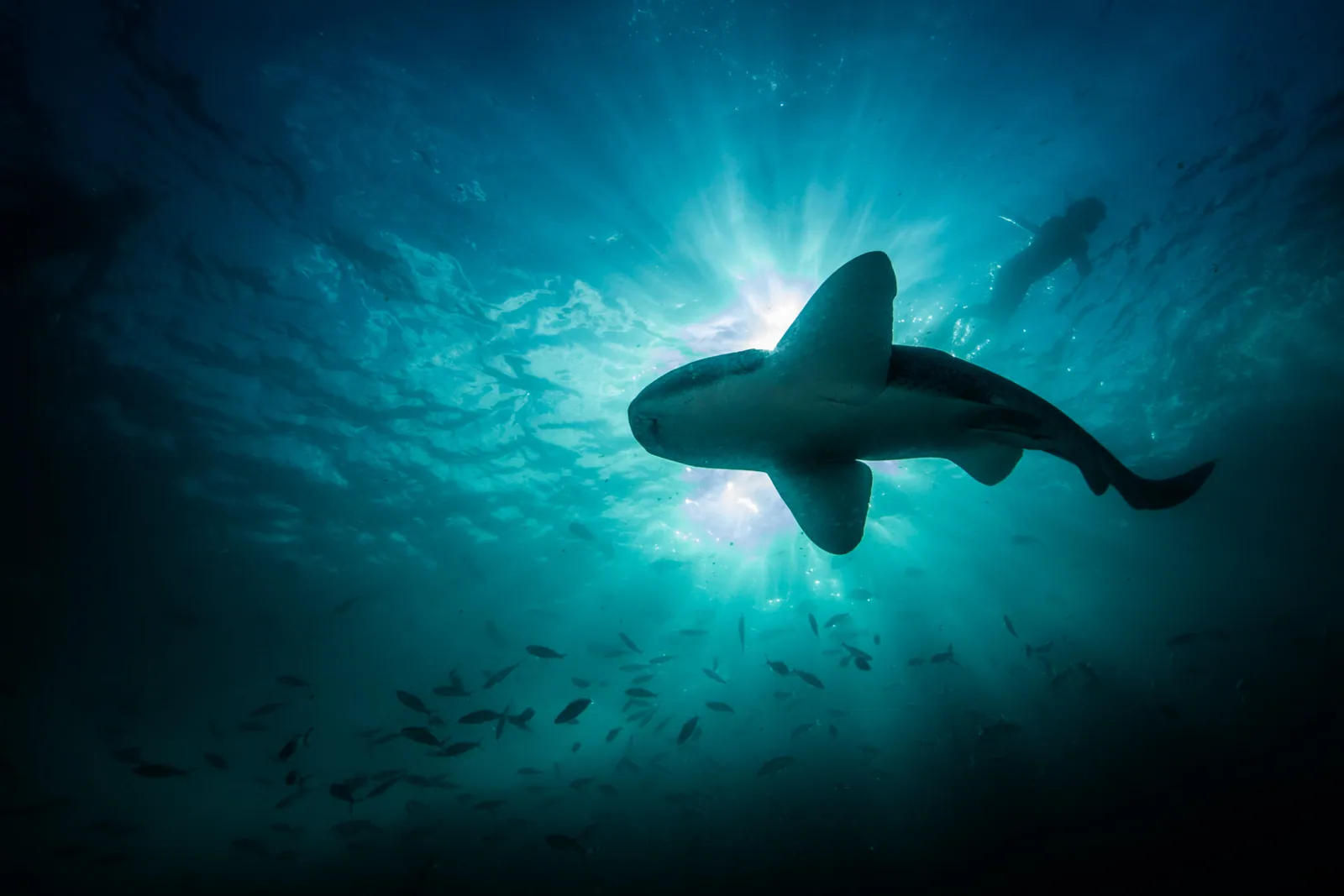
 Sundive Byron BayByron BayPADIByron Bay's PADI 5 Star dive centre, running three daily departures to Nguthungulli Julian Rocks with training from Try Scuba to Divemaster.BoatCoursesAdvancedProNitroxPoolSource-backed profile
 Turtle School Byron Bay Dive CentreByron BayPADI
 Meet the Turtle School team at Byron Plaza for guided scuba dives and sea-turtle snorkelling at Nguthungulli (Julian Rocks).BoatCoursesAdvancedPoolHireSource-backed profile
The entry-level certification is usually called Open Water Diver. It has three parts: theory, which most schools let you finish online before you arrive; confined-water sessions in a pool or a calm, shallow bay, where you learn to set up equipment, clear a mask and control your buoyancy; and four open-water dives where you repeat those skills in the sea.
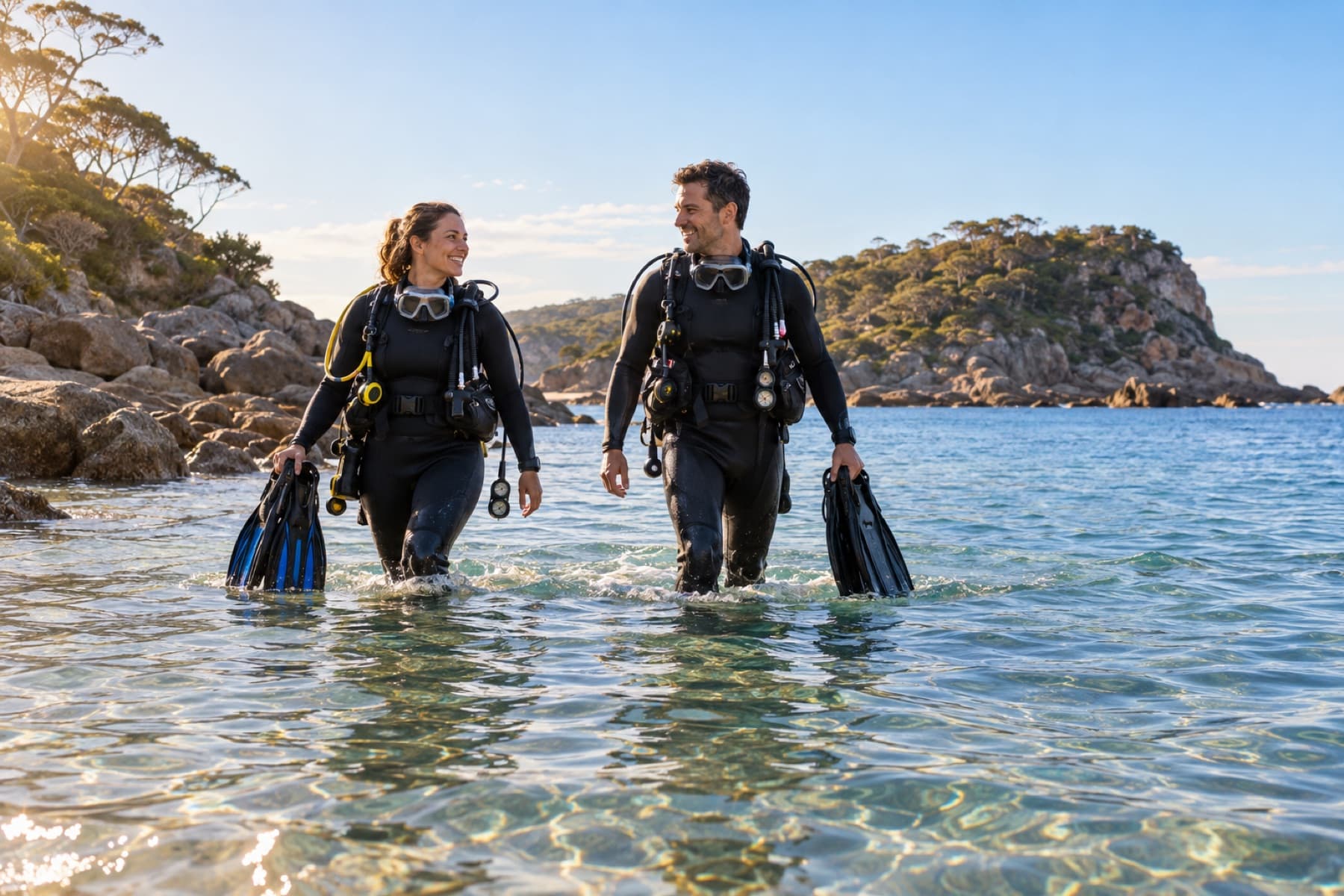
In Byron Bay the water is roughly 19–26°C, warmest February to April. Visibility is commonly 10–30 m, best when the East Australian Current runs. Conditions on your training days decide which site the instructor uses, so expect the plan to move with the weather.
If you are not sure diving is for you, an introductory dive is a cheaper first step. See try dive vs Open Water course for how the two differ.
Sites in this region that we classify as suitable for beginners. Your school chooses the training site on the day.
Our guide to choosing a dive centre covers these questions in more detail, and PADI vs SSI explains the agency question.
This directory lists 2 businesses in Byron Bay that offer entry-level scuba training, teaching PADI and SSI courses. There may be others we have not yet researched.
An entry-level Open Water course usually takes three or four days of pool and open-water training, plus theory that most schools let you complete online first. Each school sets its own schedule, so check start dates before you book travel.
Water temperature: Roughly 19–26°C, warmest February to April. Schools supply a wetsuit suited to the season as part of the course; ask what thickness they provide.
Both certifications are recognised by dive operators worldwide, and the entry-level courses cover the same core skills. The instructor, group size and schedule matter more than the agency, so compare the schools rather than the logos.
Every student completes a medical questionnaire. Some answers mean you need a doctor's clearance before any in-water training, so ask the school for the form when you book rather than on the first morning.
Prices differ between schools and change often, so we do not publish them. When you compare quotes, check whether theory materials, gear hire, boat dives and certification fees are included.