Dive Centres AustraliaSearch
Menu

Dive sites · 2026 guide

The Best Wreck Dives in Australia

Australia's wreck diving mixes historic losses like the SS Yongala with purpose-scuttled navy ships prepared for divers. Scuttled ships are generally more forgiving, with access holes cut and hazards removed; historic wrecks demand more respect.

Most wrecks here sit beyond 18 metres, so check the certification level on each before you book.

Technical scuba diver approaching a shipwreck in deep blue water1

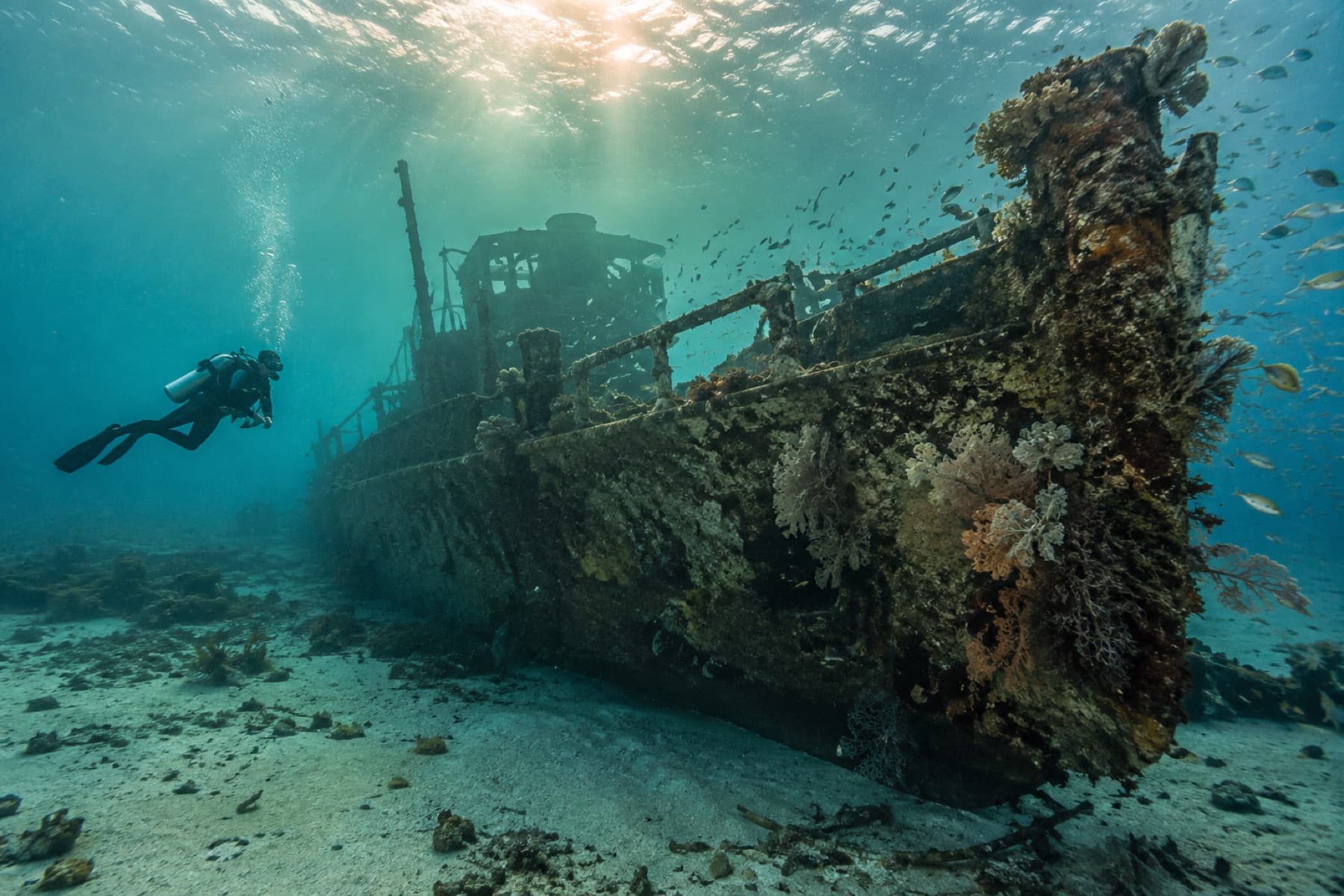
SS Yongala

Townsville, Ayr & the SS Yongala, Queensland

Advanced · 18–25 m~25 m typical, 30 m maxBoat divewreck

A 100-metre passenger steamer lost in 1911, now carrying possibly the densest marine life in Australia.

The wreck is around 100 metres long and lies at depths reaching roughly 30 metres. Queensland tourism material treats the site as an advanced diving attraction.

Look for: Queensland Groper, Spotted Eagle Ray

Full SS Yongala guide →

Technical scuba diver approaching a shipwreck in deep blue water2

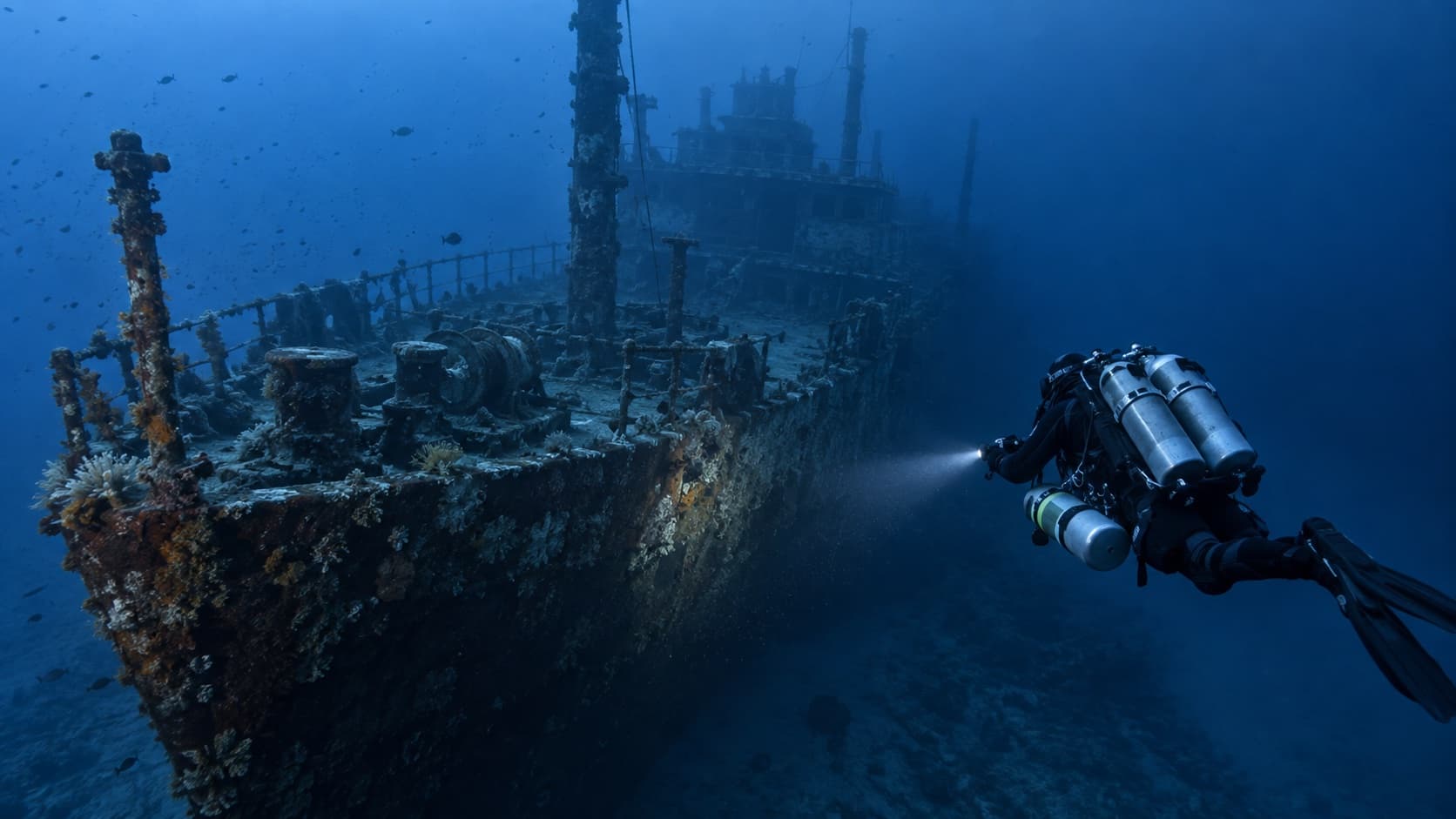
ex-HMAS Brisbane

Sunshine Coast, Queensland

Advanced · 18–25 m~24 m typical, 28 m maxBoat divewreck

A former guided missile destroyer scuttled off Mooloolaba and prepared specifically for divers.

Because the vessel was prepared specifically for diving, access points were cut and hazards removed, which makes the wreck considerably more forgiving than a historic loss.

Look for: schooling baitfish and trevally, wobbegongs, soft coral and sponge colonisation, lionfish, occasional turtles and rays

Full ex-HMAS Brisbane guide →
Technical scuba diver approaching a shipwreck in deep blue water3

HMAS Canberra

Mornington Peninsula, Victoria

Advanced · 18–25 m~24 m typical, 30 m maxBoat divewreck

Victoria's signature artificial wreck — a former guided missile frigate at around 28 metres.

Visit Victoria places the wreck at approximately 28 metres. Access requires a licensed operator or use of the public mooring system.

Look for: temperate reef fish, sponges and soft corals colonising the structure, schooling baitfish, seals occasionally in the area

Who takes you there Ocean Divers
Full HMAS Canberra guide →
Technical scuba diver approaching a shipwreck in deep blue water6

Magnetic Island Reefs

Magnetic Island, Queensland

Open Water · ≤18 m~10 m typical, 25 m maxShore dive · Boat divereef · wreck

Accessible fringing reef and the SS City of Adelaide wreck, a short ferry from Townsville.

The SS City of Adelaide, a former steamer beached on the island's northern side, provides an unusual shallow wreck that is accessible to newer divers and snorkellers alike.

Look for: hard coral, reef fish, turtles, rays, nudibranchs

Full Magnetic Island Reefs guide →
Scuba diver touring the exterior of a coral-covered shipwreck7

Houtman Abrolhos Islands

Geraldton & Abrolhos Islands, Western Australia

Open Water · ≤18 m~18 m typical, 35 m maxBoat divereef · wreck · island

122 islands 60 km offshore, where coral grows alongside kelp and the Batavia was lost in 1629.

The Leeuwin Current carries warm water south along the coast, allowing coral to grow here alongside temperate kelp — an overlap that occurs in very few places worldwide.

Look for: Australian Sea Lion

Full Houtman Abrolhos Islands guide →
Scuba diver touring the exterior of a coral-covered shipwreck9

Perth Metropolitan Reefs

Perth, Western Australia

Open Water · ≤18 m~12 m typical, 25 m maxShore dive · Boat divereef · wreck

Limestone reef systems, artificial reefs and accessible shore entries along the Perth coast.

Shore entries at Mettams Pool, Point Peron and elsewhere provide accessible diving, while boat access reaches the offshore reef lines and artificial reef structures.

Look for: western blue gropers, wobbegongs, rays, octopus, crayfish

Who takes you there Perth Scuba
Full Perth Metropolitan Reefs guide →
Scuba diver touring the exterior of a coral-covered shipwreck10

Darwin Harbour Wrecks

Darwin, Northern Territory

Open Water · ≤18 m~18 m typical, 30 m maxBoat divewreck

Vessels lost in the 1942 bombing of Darwin and later — arguably Australia's densest wreck heritage.

Diving is governed entirely by tide. Current, access and visibility all change through the day, and sites are dived in specific windows that move daily.

Look for: soft coral on structures, schooling baitfish, rays, moray eels, tropical reef fish

Who takes you there Dive Darwin
Full Darwin Harbour Wrecks guide →
Scuba diver touring the exterior of a coral-covered shipwreck11

Ex-HMAS Adelaide

Central Coast, New South Wales

Advanced · 18–25 m~22 m typical, 34 m maxBoat divewreck

A 138-metre guided-missile frigate scuttled off Avoca Beach in 2011, prepared for divers with access holes cut along the hull.

She sits upright on sand in roughly 32 to 35 metres of water, with most of the interesting structure above 20 metres. Large access holes were cut into the hull at regular intervals, so the bridge, hangars and operations room can be reached along planned routes.

Look for: giant cuttlefish, eastern blue groper, kingfish, yellowtail and baitfish schools, octopus

Who takes you there Terrigal Dive Centre
Full Ex-HMAS Adelaide guide →
Technical scuba diver approaching a shipwreck in deep blue water12

Glenelg Wrecks

Adelaide, South Australia

Open Water · ≤18 m~15 m typical, 22 m maxBoat divewreck · reef

Adelaide's local wreck diving — the Glenelg dredge, barge and artificial reef structures.

The dredge and barge are the best known, and both have developed substantial marine growth and resident fish populations.

Look for: blue devils, schooling bullseyes, octopus, rays, sponge growth on structures

Who takes you there Adelaide Scuba
Full Glenelg Wrecks guide →

Questions about this list

How is this list ranked?

Sites are chosen from our dive-site database and ordered by how well documented they are: flagship status, the number of operators we have confirmed dive there, and the marine life recorded. Nobody pays to be listed.

Can a business pay to appear here?

No. Listings and order come from our research only. Businesses can ask us to correct their details, but not to change their position.

How current is this guide?

It is generated from the directory's latest research, checked in 2026. Conditions, operators and seasons change — confirm details with the operator before you book.

All best-of guides →